Seville’s Holy Trinity: The Cathedral, the Alcázar, and Flamenco
Seville does not ease you in gently. Within a single day, you can stand inside the largest Gothic cathedral on earth, walk through a royal palace that’s been continuously occupied for over a thousand years, and watch a flamenco performance so raw it makes your chest tight. That’s a lot to take in. It’s also exactly the right amount.
This city in southern Spain’s Andalusia region has a rhythm to it. Mornings are for monuments. Afternoons slow down in the heat. And evenings, when the temperature finally drops and the streets fill up again, are for the things Seville does best: food, music, and staying out later than you planned.
Seville Cathedral: Bigger Than You Expect
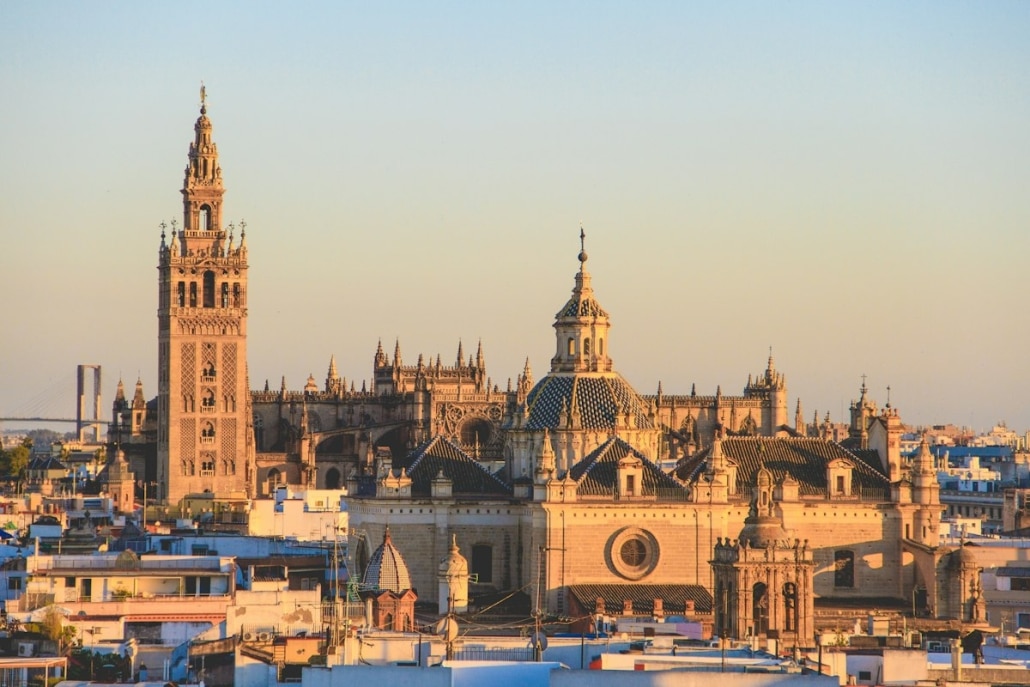
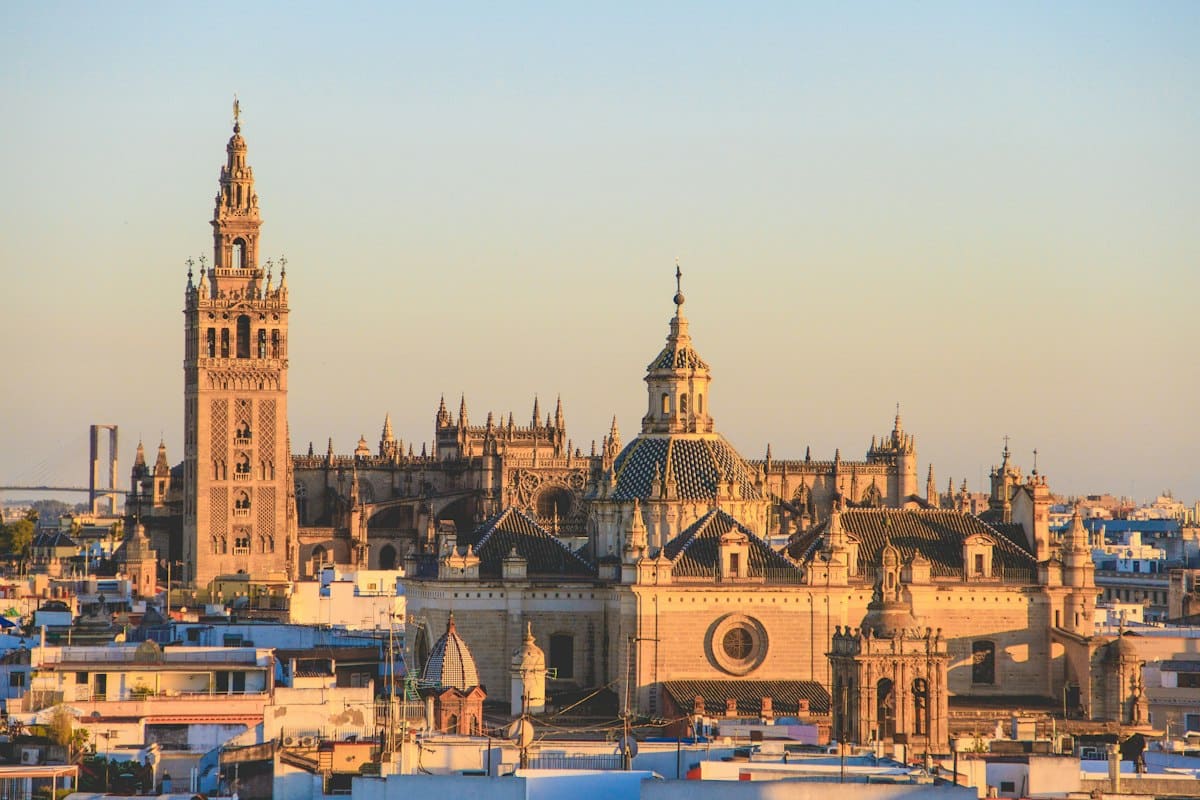
The Cathedral of Saint Mary of the See (Catedral de Santa María de la Sede) holds a Guinness World Record as the largest Gothic cathedral by volume. It was built on the site of a 12th-century Almohad mosque, and the builders reportedly declared, “Let us build a church so beautiful and so grand that those who see it finished will think we are mad.” They were not exaggerating.
What to See Inside
The interior is cavernous. Eighty chapels line the perimeter. The main altarpiece (retablo mayor) is the largest in Christendom, standing over 65 feet tall and covered in gold leaf depicting 44 scenes from the life of Christ. It took 82 years to complete.
Christopher Columbus is buried here, or at least partially. His tomb, held aloft by four bronze figures representing the kingdoms of Castile, León, Aragón, and Navarra, is one of the most visited spots inside the cathedral. DNA analysis in 2006 confirmed the remains are at least partly his, though the Dominican Republic also claims to have his bones. Columbus, it seems, is as well-traveled in death as he was in life.
La Giralda
The bell tower, La Giralda, was originally the minaret of the mosque. Instead of stairs, it has 35 gently sloping ramps, designed so the muezzin could ride a horse to the top for the call to prayer. Today, you walk up those same ramps to a viewing platform 340 feet above the city. The panorama takes in the Alcázar, the bullring, the Guadalquivir River, and Seville’s patchwork of white and ochre buildings stretching to the horizon.
The Royal Alcázar: Still a Working Palace
The Alcázar of Seville is not a museum. The Spanish royal family still uses the upper floors when they visit the city, making it the oldest royal palace in Europe that’s still in active use. That fact alone sets it apart from most historical sites, where everything is roped off and fossilized. Parts of the Alcázar feel alive.
Mudéjar Architecture at Its Peak
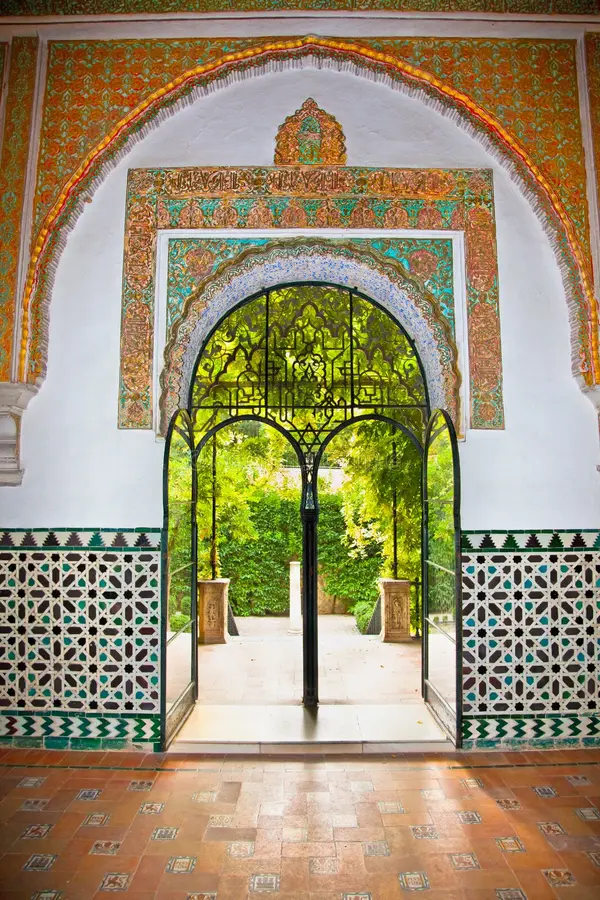
The palace complex has been expanded and modified by every ruler since the original Moorish fort went up in the 10th century. But the star is the Palace of King Pedro, built in the 1360s by Peter I of Castile using Muslim craftsmen from Granada and Toledo. The result is Mudéjar architecture at its finest: horseshoe arches, geometric tile work (azulejos), carved stucco walls, and cedar ceilings with inlaid patterns.
The Courtyard of the Maidens (Patio de las Doncellas) is the architectural centerpiece. A sunken garden surrounded by pointed arches and double columns, it was restored in 2005 to reveal the original 14th-century layout that had been buried under Renaissance-era modifications. If you recognize it from television, that’s because it doubled as the Water Gardens of Dorne in Game of Thrones.
The Gardens
The Alcázar gardens are expansive and layered, with sections ranging from formal Renaissance layouts to wilder, more overgrown corners shaded by palm and orange trees. The Mercury Pond, a large reflecting pool at the center, dates to the era of Charles V. Peacocks wander the paths. The scent of jasmine and orange blossom hangs in the air, particularly in spring.
Give yourself at least 90 minutes here. Two hours is better.
Flamenco: Not a Show, a Conversation
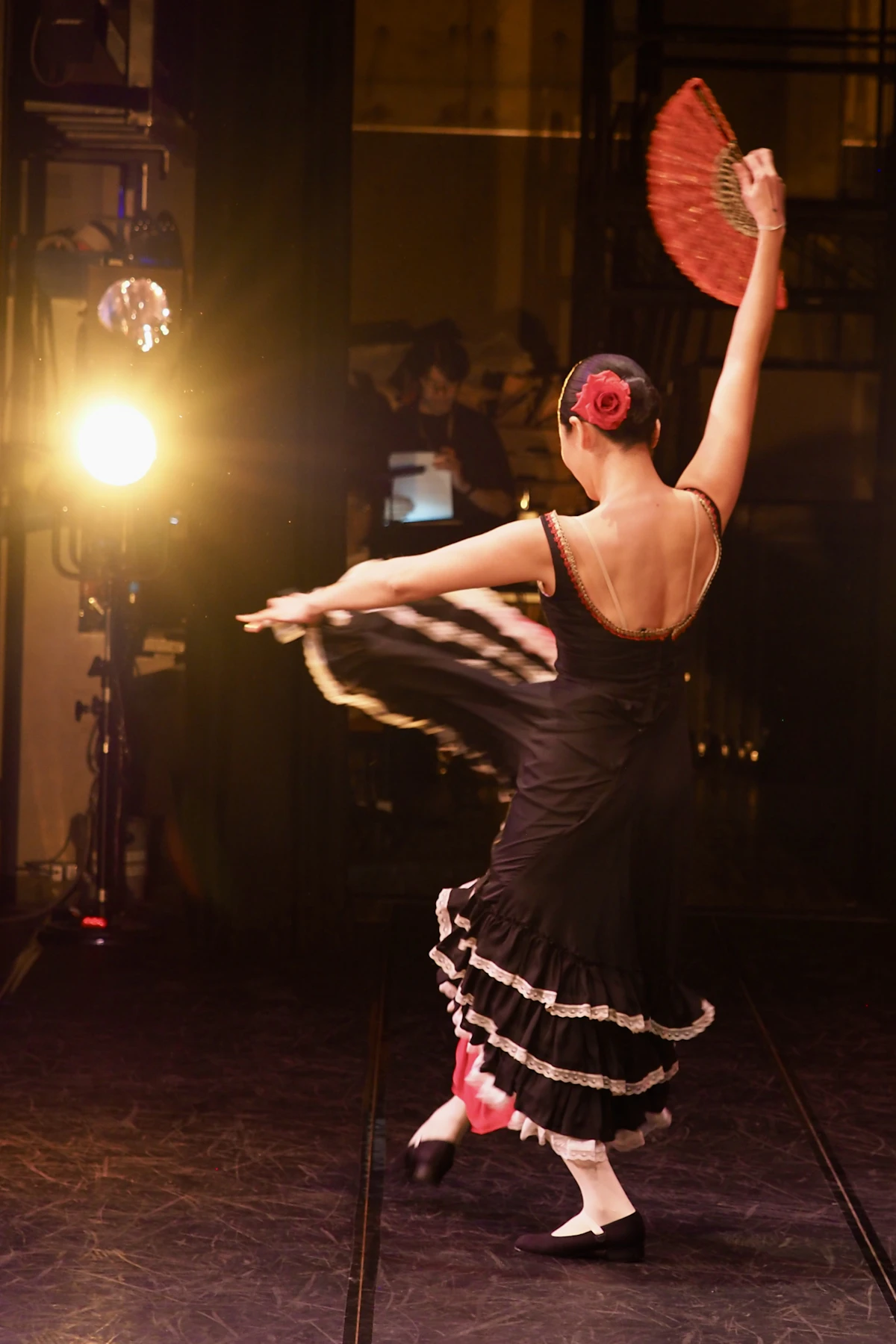
Seville is the birthplace of flamenco, and seeing it here is different from seeing it anywhere else. The best venues are intimate, sometimes holding fewer than 50 people in a room not much bigger than a living room. The performers are close enough that you can see the sweat on the guitarist’s hands and hear the dancer’s breath between footwork sequences.
Flamenco is built on a dialogue between the singer (cantaor), the guitarist (tocaor), and the dancer (bailaor). The palmas, rhythmic hand clapping from other performers, and the occasional shout of “olé” aren’t decoration. They’re communication, encouragement, markers of duende, the elusive emotional intensity that separates a good performance from one that gives you goosebumps.
On Caravan’s Spain and Portugal tour, an evening flamenco show is built into the Seville itinerary. You don’t have to research venues or worry about tourist-trap performances. The tour director arranges a quality experience, and it comes after a full day exploring the Cathedral and the Alcázar, which is honestly the ideal sequence. By evening, you’ve absorbed enough of Seville’s history to understand why flamenco sounds the way it does here.
Eating in Seville
A quick note on food, because you’ll need it. Seville runs on tapas. Wander into any bar in the Santa Cruz or Triana neighborhoods and order whatever’s on the board. Espinacas con garbanzos (spinach with chickpeas) is a Seville staple. So is salmorejo, a thick, cold tomato soup that’s richer than gazpacho and topped with jamón and hard-boiled egg. Pair everything with a cold glass of manzanilla sherry.
Making the Most of Your Seville Day
Caravan’s 14-day Spain and Portugal itinerary spends a full day in Seville, with guided visits to both the Cathedral and the Alcázar followed by the flamenco evening. Guests stay at the Hotel Macia Sevilla Kubb. The tour covers Seville as part of a route that starts in Lisbon and ends in Barcelona, all included from $2,895 with hotels, most meals, and a professional tour director.
To book or learn more, call 1-800-CARAVAN or visit caravan.com.