Canada Tour Blog by Caravan Tours

Our Caravan Canada travel blog offers great information on what to see and things to do when vacationing in Nova Scotia, PEI or New Brunswick on the east coast or exploring the Rocky Mountains of Western Canada. Read articles about Lake Louise, Jasper Park, and Glacier National Park.

Explore trips to Nova Scotia and experience the beauty of Canada’s east coast! Much of Nova Scotia feels like it has been left untouched by man, offering incredible ocean views and iconic landmarks that people from across the world flock to. This incredible province offers something for everyone, including world-class hospitality paired with Gaelic influence and stunning seaside views, making it a must-visit destination for anyone who loves to travel.

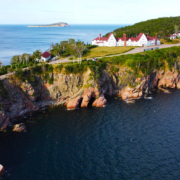
Explore Nova Scotia and see dramatic cliffside landscapes that seem to never end. Nova Scotia’s Cabot Trail simply must be experienced once in a lifetime, taking in natural sceneries that are truly breathtaking.

Use this guide to learn more, including what to see and do.

Halifax Basics

Nova Scotia remains one of Canada’s most well-known maritime provinces with many historical lessons and over 13,000 km of coastline that is ready to be explored. Travel to this province offers a balance of quiet coastlines, but also modern amenities that can be found in cities like Halifax and Dartmouth.

Further, the coastal landscapes throughout the province are home to exceptional outdoor adventure opportunities, where anyone can camp, hike, and see the beauty of this province on foot. Anything you could possibly need can be sourced directly in Halifax, including car rentals, camping gear, and food. 

What Nova Scotia Has To Offer

Most visitors begin their journey to the stunning city of Halifax, flying or road tripping in and using this destination as a hub of further exploration across the province. Halifax itself is a bustling seaside city, home to modern amenities, accommodations, and comforts that many major cities in North America have to offer. Here you can get a taste of the city’s charm, exploring the many museums, brewery tours, and restaurants, all while strolling along the Halifax boardwalk. The city is home to many public festivals and art installations, often located at the heart of the city and along the boardwalk.

What Many Guests See and Do In Nova Scotia

The city itself remains a staple of Maritime culture, but the province has so much more to offer than just the city of Halifax. Some of the most well-visited tourist attractions of Nova Scotia include:

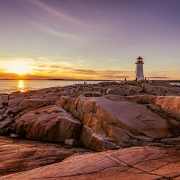
  • Peggy’s Cove: This lighthouse remains one of the most well-known and world-famous destinations of Nova Scotia. Just outside the city of Halifax, it remains highly accessible to all travelers, offering stunning seaside views alongside scenery that looks like it is straight out of a postcard.
  • Exploring The Cabot Trail and Cape Breton Island: Beyond Halifax is the beautiful Cape Breton Island, explored by tens of thousands of tourists each year. This island loop is an incredible road trip destination, offering non-stop oceanside landscapes and enough pit stops to spend weeks appreciating the sights.
  • History Lessons at Every Turn:  Consider exploring Old Town Lunenburg, a UNESCO World Heritage home to historic, brightly colored homes. This city remains a historic sailing port for the entire province, offering insight into the province’s rich maritime history and Gaelic influence. Don’t forget to make stops at the Halifax Citadel National Historic Site and the Maritime Museum of the Atlantic.
  • Camping, Hiking, and Exploration: Cape Breton remains home to some of the most stunningly beautiful campsites and hiking trails, where guests can pitch a tent alongside the coast and take in some of the clearest skies and most incredible stargazing.
  • Exceptional Food & Drink: Seafood lovers will be overwhelmed with the number of options, including fresh lobster, crab, and scallops, sourced locally from ocean to plate. Further, Nova Scotia remains home to many distilleries, wineries, and breweries, offering unique tasting experiences set against beautiful oceanside views.
  • Exploring Small Towns and Communities: Many quiet towns welcome visitors from across the world, serving up fresh seafood and offering a dose of East Coast hospitality. 

Many towns maintain their own historical significance, telling stories of European settlements and a slower pace of life. Some of the most beautiful towns worth visiting in Nova Scotia include:

  • Mahone Bay 
  • Shelburne
  • Annapolis Royal 
  • Digby
  • Inverness 
  • Bear River

Outdoor Adventure Opportunity in Nova Scotia

Aside from traditional camping and hiking, Nova Scotia remains incredibly popular for its many outdoor adventure activities. The Bay of Fundy is a popular destination for rafting, including high-speed boating opportunities that take guests throughout the ocean’s incredibly high tides. Further, kayaking is another option available to tourists, especially near Peggy’s Cove, Blue Rocks, and Cape Chignecto.

Lawrencetown Beach remains a top destination for surfing, where guests visit all year long for some of the most incredible waves. For those who truly love the outdoors, many people who love to bring together fitness and travel make a point of cycling the Cabot Trail, rather than driving it. Explore canoeing, hiking, birdwatching, and even whale watching throughout this stunning travel destination.

Tips For Planning a Trip to Nova Scotia

Nova Scotia has so much to offer, it can often feel overwhelming to know where to begin. Use these tips for booking the very best trip to the beautiful province of Nova Scotia.

  • Start off in Halifax: This city remains a starting point of many trips throughout Nova Scotia and the rest of Canada’s maritime provinces. Not only is the city an incredible destination to explore, but it can help you get comfortable before you head off and explore the rest of the area. 
  • Having a Car or Transportation Is Essential: While Halifax remains highly accessible with public transit and ride-sharing apps, the rest of the province is not as well-equipped. For those looking to explore the Cabot Trail or any of the other nearby provinces, guests will need their own vehicle or transportation service. This is an incredible province worth roadtripping through, and many tourists rent their own car or hire a tour company to help them explore beyond Halifax.
  • The Weather Can Be Unpredictable: Coastal climates have a tendency to change rapidly, and guests should plan for unpredictable weather events, including high winds and rain. The weather throughout Nova Scotia can change in a moment, and visitors should pack a variety of different clothing options to keep themselves warm, comfortable, and dry at all times.
  • Driving Conditions Can Be Challenging At Times: For anyone planning to drive the loop of the Cabot Trail, keep in mind that driving conditions can change depending on the weather and the time of day. Some roadways can be slippery when wet, and they often wind through tight corners. You should be a highly capable and experienced driver if you plan to road trip throughout the province. Many roadways are not lit at night, and nighttime driving is not encouraged.
  • Plan To Disconnect: Many parts of Nova Scotia are considered to be “remote” in nature, meaning that things like wifi and cell phone service will be limited. Should you be concerned about your devices, consider bringing along a powered battery pack to ensure you are able to capture beautiful landscapes via smartphone.
  • Seafood is Offered Just About Everywhere: Between sit-down restaurants, seaside shacks, and casual eateries, seafood is just about everywhere throughout Nova Scotia. Those with food allergies related to seafood will have challenges finding food that suits their needs. For those who love seafood, make a point of trying something new and enjoy these delicacies in many different forms!
  • Leave Your Valuables Behind: For those looking to explore the area for the first time or are taking part in a guided tour, if you plan on exploring the great outdoors, leave your valuables at home. Expensive shoes, bags, or sunglasses are lost easily, especially if you plan to participate in hiking or camping. Wear comfortable clothing and pack light!

Best Time To Visit Nova Scotia

Fall remains the very best time to visit and explore Nova Scotia, especially during September, October, and November. With reduced tourists and the emergence of fall colors, guests will be dazzled by the incredible views, but also appreciate the cool and comfortable temperatures. Fall does offer cooler temperatures, but many guests report comfortable environments even during hiking and camping.

Peak tourist season for Nova Scotia is through the summer months of June, July, and August, offering hot temperatures, but very much worth the visit. Nova Scotia experiences seasonal shutdowns, and visiting during the summer ensures that all amenities are open for business.

Spring travel season across Nova Scotia often experiences cooler and rainy weather conditions, often proving challenging for camping and hiking. Winter remains especially beautiful, but challenging driving conditions may limit your experiences.

Safe Travel Considerations

Nova Scotia and the rest of Canada remain incredibly safe for visitors, welcoming guests from all walks of life to enjoy its rich culture and exceptional scenic views. Guests should exercise reasonable caution, just in the same way as they would when visiting any unfamiliar destination.  For anyone concerned about their safety, group travel remains a popular option that can help you and your travel partners feel safer and welcome. 

Consider booking a guided group travel tour to ensure you have the safest and most enjoyable travel experience possible.

Guided Tours of Nova Scotia

There are great benefits to leaving the challenges of booking an elaborate trip throughout Nova Scotia. This great province offers endless hidden gems, and tour companies that have experience with travel groups in this area ensure you never miss an important detail. From small towns to incredible landscapes, qualified tour companies like Caravan take away the challenges of traveling through this province, offering a fully booked experience that includes endless sights and excitement.

Further, guided tours that provide ground transportation take away the hassle of renting a car and driving throughout an unknown destination. Leave the potentially challenging driving conditions of travel throughout Nova Scotia to highly experienced drivers who know the area and have been through these parts before. Now, you don’t need to worry about driving or missing an important stop along your journey. Leave this work to those who can help you take the stress away of planning, booking, and driving, and instead, focus on the full enjoyment of your trip.

Look To Caravan To Provide Exceptional Trips to Nova Scotia

Canada’s maritime provinces are well worth the visit, and exploring these great parts of the world can be done simply and without complication alongside Caravan. Experience group travel experiences that are incredibly safe, enjoyable, and include a balance of sightseeing and outdoor adventure. See the beauty of Nova Scotia, but also New Brunswick and PEI, with fully-booked and all-inclusive offerings that make travel to these destinations all the more accessible and enjoyable.

Caravan tours continue to be enjoyed by travelers across North America, helping them get closer to exotic travel destinations across the world. Our fall trip throughout Canada’s maritime provinces is especially beautiful, offering some of the most impressive natural landscapes found anywhere in the world.

Lean on Caravan for full tours of Canada, and see for yourself why so many people are choosing to explore this incredible country for fun and exploration. Visit Caravan’s tour of the Maritimes and learn more about our fully-booked offerings that include ground transportation and accommodations. See the world alongside highly experienced travel guides with Caravan.

Have more questions?

Your vacation throughout Canada’s east coast starts today!  Speak to one of our operators by calling 1-800-CARAVAN to learn more, or consider visiting the Caravan homepage to explore our full lineup of travel experiences. Reach out today to learn more. We are predicting an incredibly busy travel season, so reach out as soon as possible for more information.

Call now and take part in the vacation of a lifetime!
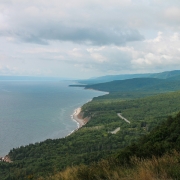
Exploring the Cabot Trail Cape Breton is a rewarding and exciting experience that should be experienced by anyone who loves to travel. This part of the world remains well-known for its scenic seaside cliffs and unique cultural experiences that make the trip to Nova Scotia well worth the visit.

Learn more about the Cabot Trail, including what makes Cape Breton, Nova Scotia, so special. For those who have never been, or are a little wary of roadtrips, use this guide to help you plan and take in more information to help you have the best possible experience.

Why Is The Cabot Trail So Special?

The Cabot Trail is a 300 km loop around the northern part of the island of Cape Breton. It offers incredibly scenic ocean views alongside the area’s dramatic rock cliffs that feel like they are straight out of a postcard. Canadians and Americans have visited this destination for its incredible views, natural scenery, wildlife, and outdoor exploration.

It is widely considered one of the best places in the world for a road trip, offering surprises and pit stops at every turn. Between outdoor adventure and stunning landscapes, those who love the outdoors will be in awe at the beautiful sights that are available at every turn. More importantly, there is more to experience than just beautiful landscapes, but instead, consider this an opportunity to learn more about Canadian East Coast culture while taking in unique travel experiences.

Pre-Planning & Cabot Trail Accommodations

It is important to consider your pace of travel and what your accommodation needs look like before heading out to explore the Cabot Trail. There are many options available to you, including everything from classy bed and breakfasts, RV camps, traditional camp sites, motels, resorts, and cottages. Not all travelers are accustomed to “roughing it” in a campsite, while other travelers may prefer something more modern. Luckily, there are many options available to you.

Consider planning your trip around these three main stops along the Cabot Trail. Here you can explore a number of different kinds of accommodations, while also taking in the sights at these beautiful destinations. These are some of the key pit stops that guests plan their trip around.

  • Baddeck: Often considered the starting point of a great Cabot Trail road trip, here you can explore beautiful luxury accommodations set along the ocean, or explore bed and breakfasts that are more quaint, comfortable, and cozy.
  • Ingonish: Just a stone’s throw away from Cape Breton Highlands National Park, this destination is a great stopover for guests, offering endless accommodations, including historic lodges, seaside luxury resorts, access to campsites, and spots to park an RV with the entire family. Explore options to suit your budget, but also consider exploring the incredible Middle Head Trail that is located nearby.
  • Chéticamp: This fishing village remains close to one of the most popular and well-known hiking trails along the Cabot Trail, the Skyline Trail. Explore seaside bed and breakfast destinations, charming family-owned boutique hotels, and budget-friendly motels.

There are more options, of course, especially beyond the three towns mentioned above. Yurting remains an incredibly popular option among guests, offering a balance of modern and rustic, but still getting guests outside and enjoying the great outdoors. Some guests can even explore “glamping” options, that is, outdoor accommodations that are highly comfortable, taking guests out of tents and having them stay in protected outdoor huts.

Accommodations should be booked in advance as much as reasonably possible, as especially popular options tend to book up quickly. For those in search of specialized accommodations, including dog-friendly or accessible accommodations, consider exploring your options online. If you are ever unsure if a specific accommodation can suit your needs, reach out to them directly via phone or email before you arrive.

What You Should Know Before You Go

Think of visiting the Cabot Trail as an escape from modern life, offering unique travel experiences paired with exceptional food, drink, and culture. It does take several days to complete the full loop, especially if you plan on making multiple stops. 

There are no public transportation services available throughout the Cabot Trail, and some spots even lack cell phone service. This means guests will need to carefully plan the stops of their trip, rent a car when they arrive (via Halifax airport), and explore these many stops on their own accord. Driving throughout a new destination can be complex, and some of the quickly shifting weather may cause complications along the way.

Food and Dining Along The Cabot Trail

Throughout the Cabot Trail are incredible food and culinary experiences that are well worth the stop. Consider trying something new along your journey, and booking restaurant options that cater to your needs, whether they are high-class or casual; there is something for everyone along the way. Explore casual diners, fine dining restaurants, family-friendly quick eats, and unique East Coast desserts found in a boutique bakery.

  • Seafood: With the ocean being in such close proximity, much of the seafood available throughout the province is sourced directly from the ocean. This means the seafood you are enjoying is of the freshest, highest quality, far better than what you can expect from your grocery store back home. Guests should enjoy many different kinds of seafood at one of their stops, including classic East Coast chowders, fillets of fresh fish, and, of course, shellfish.
  • Expect everything from fresh Atlantic lobsters, snow crabs, mussels, oysters, scallops, haddock, and halibut. The area remains well-known for its lobster rolls, which are a must-try for anyone visiting for the first time. 
  • Roadside Canadian Classics: Food trucks have grown to be a popular option that can be found along the Cabot Trail itself. Small communities play host to guests, offering up classic Canadian options including poutine, fried fish and chips, and classic American burgers. Take your chance on a roadside option and explore classic fare, but also fried seafood options that are truly never-ending.
  • Desserts: The Cabot Trail isn’t all about seafood, as sweets and baked goods are a staple of the offerings available. Explore incredible baked goods at one of the many available towns you can explore, including everything from fresh croissants, homemade breads, dessert squares, and cinnamon rolls. Further, the entire area has significant Acadian influence, as many of the bakeries serve up classic meat pies, homemade soups, and incredible breakfast sandwiches. Don’t forget buttertarts, a Canadian-exclusive speciality that is truly special.

Those with shellfish or peanut allergies should always inquire before eating any of the foods mentioned above. Enjoy something new and stay well-fed for all the adventures you are taking on throughout the Cabot Trail.

Drink Options Available Along The Cabot Trail

Of course, there are plenty of great beverages to enjoy during your journey of the Cabot Trail, best enjoyed responsibly during one of your pit stops. Make a point of booking a trip to some of the most impressive drink options that are often set alongside incredible seaside views.

  • Breweries: Explore seaside on-farm craft breweries at Big Spruce Brewing in Nyanza, an incredible stop to take in live music, but also craft beers made entirely in-house. Route 19 Brewing is another popular option in Inverness that also includes a taste of live, East Coast music.
  • Distilleries: Hidden throughout the hills of Cape Breton is the Gelnora Distillery. Here, visitors can sip on perfectly aged single malt whisky while learning more about the care and efforts this destination puts into its offerings.
  • Wineries: Marble Mountain Estates allows guests to take in the flavors of Canadian East Coast culture, Cape Breton’s only winery. Sip on wines carefully crafted by locals and take in the sights overlooking the beautiful Bras d’Or Lake. Below The Salt Distillery remains another popular option for their small-batch and craft spirits.

Where Culture and History Meet

Looking beyond the obvious, incredible scenery of the Cabot Trail, these lands remain rich in indigenous Canadian history, including endless influence from Gaelic and Acadian cultures.  Here are just some of the ways you can take in the incredible culture found throughout the Cabot Trail:

  • Learn about the indigenous Mi’kmaq Culture by taking an Eskasoni Cultural Journey that includes a guided tour, basket-weaving classes, and cultural demonstrations, including both song and dance. Consider visiting the Memertou Heritage Park and exploring sacred lands protected by the indigenous peoples.
  • Learn more about Scottish Gaelic influence found in Nova Scotia by visiting the Highland Village Museum or the Gaelic College. Both destinations offer unique workshops that make for unique travel experiences, including kilt-making and live music demonstrations.
  • Les Trois Pignon in Chéticamp remains a unique travel destination showcasing Acadian culture, with a museum focused entirely on local culture and genealogy.

Explore each pitstop at your own pace and explore hand-made crafts, unique souvenirs, and food options that showcase the unique blend of culture and history found throughout Cape Breton and the Cabot Trail.

Guided Tour Experiences

With so much to see and do, it is almost impossible to experience every detail of the Cabot Trail during your first trip. That is why so many first-time visitors lean on a travel company like Caravan to experience this beautiful destination with fully booked and pre-planned offerings. Having ground transportation completely planned and taken care of beforehand is a huge plus for tourists, ensuring their trip is both safe and enjoyable, avoiding the stress of driving the Cabot Trail yourself.

Instead of worrying about booking accommodations months in advance or being unsure as to whether a certain restaurant can facilitate your needs, lean on a travel company that has carefully vetted its stops to ensure the satisfaction of all guests.

Look To Caravan To Guide You Through The Cabot Trail Cape Breton

Caravan offers a multi-day guided group tour of not just the Cabot Trail, but also with stops in PEI, New Brunswick, and Halifax. With Caravan, you can travel throughout Canada’s maritime provinces without ever having to worry about a detail of your trip. Never worry about the need for ground transportation, accommodations, or even meals, with fully-booked tour offerings that include endless stops along the way.

Experience the unique culture and food scene of the Cabot Trail, and take in stunning views of Nova Scotia’s landscapes while someone else handles the details of planning and booking. Our qualified travel guides remain highly familiar with the area, capable of pointing you in the right direction, but also offering exceptional insight into the destination itself. Taking part in a Caravan group tour means that you and your family remain incredibly safe, avoiding common travel scams and taking part in an adventure alongside like-minded travelers just like you!

We remain excited to explore Canada alongside you, offering a chance to explore these incredible lands with very little risk. Our tour groups remain especially beneficial to family travelers, senior travelers, or couples who want to experience exotic travel destinations without the stress of navigating a new destination. Learn more about Caravan’s guided tour of the Maritimes.

Ready to book the adventure of a lifetime?

Speak to one of our operators by calling 1-800-CARAVAN to learn more, or consider visiting the Caravan homepage to explore our full lineup of travel experiences. Have more questions? Reach out to us directly to learn more about our options.

We expect an incredibly busy upcoming travel season, so don’t delay in booking. Our travel group offerings have a tendency to book up quickly, so don’t delay! Experience Nova Scotia during the summer and fall months for incredible landscapes, including some of the most stunning fall colors found anywhere in the world. Reach out to us directly to learn more about availability.

Contact us now!

There are endless places to visit in New Brunswick that make the trip to Canada’s east coast well worth it. New Brunswick is one of Canada’s maritime provinces, home to incredible ocean views, unique cultural experiences, and a charm that is unique to the area. The surrounding waters of New Brunswick offer incredible experiences, including some of the most rapidly changing tides in the world. As such, guests can take in the Bay of Fundy, appreciating a cycle of tides that can move more than 50 feet in one cycle.

While other provinces like Nova Scotia attract thousands of tourists, New Brunswick is a carefully hidden gem offering cultural experiences, incredible dining opportunities, and unique natural experiences like none other.

Learn about the many places to visit and things to do in the beautiful province of New Brunswick, and use this guide to plan an exceptional trip to this hidden gem of a travel destination!

Why Visit New Brunswick

New Brunswick remains a hidden gem for travel, offering stunning views alongside coastal scenery that is unique to Canada’s maritime provinces. The province maintains some of the highest tides in the world, attracting thousands of guests each year. Many travelers appreciate these unique natural experiences, watching tides rise and fall over 50 feet each day. The result is an incredible travel experience that brings together nature and cultural experiences in one destination.

The Top Places to Visit in New Brunswick

Learn more about the top places to visit and things to do when visiting the beautiful province of New Brunswick.

Visit Flowerpot Rocks at Hopewell Cape

Sometimes referred to as the Flowerpot Rocks, these rock structures are well-known icons of New Brunswick, shaped by the rising and falling tides along the Hopewell Cape. There are over 20 different unique rock formations, each with its own unique name, creating unique scenery that changes each and every day. Guests can watch the tides flow in and out, walking along the ocean floor during low tide, but then experience the waters by kayak later in the day. A truly impressive natural phenomenon that attracts guests who appreciate landscapes carved by the constantly shifting tides of water.

  • This destination remains open to the public during the months of May to October. Some guests report visiting this destination for two days to see the full tide cycle, but it is not required. Visiting during low tide allows guests to see the famous Lover’s Arch and Diamond Rock, while high tide offers an entirely different perspective, with guided tours that can facilitate kayaking and exploration of the area. September remains one of the best months to visit this destination, and guests should carefully plan for wet and muddy conditions.

Consider bringing clothing suitable for walking along the beach, including shoes that are comfortable for muddy conditions. A change of clothes is a great idea, while expensive clothes may be damaged by the natural conditions. Always check tide tables before arriving and adhere to any rules listed. Guests are often required to travel down a large metal staircase to access the beach, which can pose challenges for those with limited mobility. There is an additional ramp available to guests along the North Beach. Don’t forget to stop by the nearby gift shop and restaurant for local snacks and souvenirs.

Explore The Fundy National Park of Canada

Close by is the Fundy National Park of Canada, an incredible gem of an outdoor adventure location in New Brunswick. Explore over 100km of trails that head deep into New Brunswick’s wilderness alongside scenic ocean views. This park is one of the stunning Dickson Falls, a great place to end up at after a long hike, offering some of the most beautiful photo opportunities in the province.

This destination is also well prepared to accommodate campers of all varieties, offering everything from traditional tents, RVs, yurts, and glamping options. A saltwater pool is also available, making for a family-friendly outdoor experience that is embedded in protected lands and preserved nature.

Stroll The Streets of Historic Moncton

The city of Moncton remains historically important to Canada’s history, becoming the very first bilingual city in the country. Home to endless museums celebrating both Acadian and indigenous cultures, the downtown core remains incredibly charming, home to boutique shops, bakeries, pubs, restaurants, and the incredible Moncton Market open on Saturdays.

Champlain Place remains one of the largest shopping malls in the Maritimes, while the city itself boasts an impressive culinary scene featuring locally sourced seafood, cheap eats, and fine dining. Shop, dine, and enjoy this beautiful coastal city as you please, and rub shoulders with the locals to experience that uniquely Canadian East Coast charm.

Take In Parlee Beach

Beach life remains prominent in New Brunswick, as Parlee Beach Provincial Park remains one of the warmest and most comfortable beaches in the maritime provinces. This saltwater beach is also shallow, suitable for family visits that are both fun and relaxing. More importantly, the waters here are incredibly clean and safe, offering nearby campsites that are cool and comfortable. Campsites are also well-equipped with modern amenities, offering less remote camping options with creature comforts that are just nearby.

When to Visit News Brunswick

Peak travel season in New Brunswick remains from June to August, offering the warmest temperatures, but also the most tourists. Those who travel during the summer months will experience all that the province has to offer, with all attractions and amenities fully open. 

However, fall remains an important option for many experiencing cooler temperatures that are still comfortable, along with some of the most amazing fall colors. Nature lovers will benefit greatly from visiting during the fall months since the oceanside views are complemented by the turning of leaves. The result is something truly spectacular that is well worth the visit. 

Spring and winter remain wet and cold, with cold temperatures. At times, some offerings may be closed throughout New Brunswick.

Have Caravan Can Lead The Way

The maritime provinces of Canada remain stunning travel destinations that people from all over the world travel to visit. The rich history and beautiful landscapes are incredible experiences, welcoming to people from all walks of life. Guests often choose to road trip directly from Halifax, visiting not just New Brunswick, but also Nova Scotia and PEI. These drives are long, but the rewards are extensive, offering unique travel experiences suitable for the entire family.

However, driving and traversing an unfamiliar place can come with its challenges, especially if you have never visited the East Coast of Canada before. That is why Caravan is excited to offer fully-funded and pre-booked trips throughout the maritime provinces, ensuring all guests can appreciate the beauty of this area without the stress of planning and booking a trip. 

Never worry about the details, and instead lean on Caravan for the fully-booked accommodations and ground transportation, allowing you to focus on the full enjoyment of your trip. Our guides lead you through a trip that includes many stops at the famous and well-known destinations of New Brunswick and so much more. Experience local cuisines and exceptional accommodations that are already booked, ensuring you never miss out on an important stop.

Book the vacation of a lifetime today!

As the busy travel season approaches, we anticipate an incredibly high demand for Caravan tours. We have remained well-trusted for decades, providing exceptional tours throughout the world to some of the most exotic destinations. As such, we encourage potential guests to contact us sooner rather than later. Consider options including fall tours that offer up some of the most beautiful views of Canada’s east coast.

Reach out to us today and speak to one of our operators by calling 1-800-CARAVAN to learn more about this trip and many more. Or, consider visiting the Caravan homepage to explore our full lineup of travel experiences.

Have more questions? Reach out directly to learn more and speak to one of our operators. We are excited to explore the world alongside you! Contact us now and book your dream vacation today.

Learn more about what to expect when partaking in whale watching Halifax, Nova Scotia. 

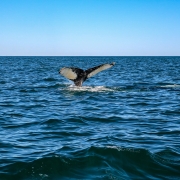
Many guests visit Halifax and the rest of Nova Scotia specifically for whale watching, offering an incredible travel experience that will make lifelong memories. These majestic creatures are known to frequent Halifax and its nearby areas, offering guests a chance to see endangered creatures in their natural habitats. Here, you and your family can learn more about these unique ecosystems that are home to endless kinds of marine life, observing them ethically without ever disturbing their habitat.

Halifax, and specifically the Bay of Fundy, are exceptional destinations for experiencing the outdoors, including viewing wildlife safely. Explore Halifax and the maritime provinces for some of the most exceptional wildlife viewing found anywhere in the world! See whales that are exclusive to the area and make memories that everyone will be jealous of. Use this guide to learn more and prepare for a whale watching adventure.


Where to Participate in Whale Watching in Nova Scotia

As for whale watching, there are several different spots throughout Nova Scotia where guests can take part in this once-in-a-lifetime activity. 

The Bay of Fundy remains one of the most popular spots for whale watching, as the waters here are especially welcoming to exotic marine life. These waters have been a lifeline for endless marine life for decades, where many tour companies offer small tours of the waters in the hope of catching a glimpse of whales, seals, and other animals. In order to take part in whale watching along the Bay of Fundy, guests will need to visit Digby Neck, Tiverton, or Brier Island throughout specific whale watching seasons, known to run through June all the way to October.

The Cape Breton Island coast is another option for tourists, as guests can connect with a registered and qualified tour company in Pleasant Bay, Cheticamp, and Ingonish.

What To Expect During a Nova Scotia Whale Watching Tour

Many tour providers look to not just offer stunning visuals of nearby whales, but also to educate guests on the marine life and conservation efforts put in place for these lands. Guides often offer deep insight into the experience, informing guests about whale behavior, identifying species as they arise, but also providing educational information on the ecosystems.

Guests can expect to get wet during their whale watching tour.

Further, many whale watching tours include up-close encounters of not just whales, but also dolphins, seals, porpoises, and many different kinds of seabirds. Also, follow the directions of your guides for safe viewing of these beautiful creatures.

As for whales, guests may encounter humpback, minke, and fin whales on their journey.

Choosing the Best Boat for Whale Watching in Nova Scotia

There are endless whale watching tours available in Nova Scotia. Here’s how you can select the best offering for your needs:

  • Tours on Zodiacs are known to be fast-paced, exhilarating rides that are low to the water and offer the most up-close and personal experience. These tours are often suitable for thrill-seekers and adventure travelers, offering a bumpy but exciting ride from start to finish. These offerings aren’t always suitable for families, and only physically fit individuals should take advantage of these offerings.
  • Catamarans are also incredibly common options for whale watching, offering a more gentle, stable, and slow-paced experience that is less thrilling than other available options. While guests won’t be exceptionally close to the water, they can still take the time to enjoy some photography and spot whales from a more comfortable distance. Many guests consider this to be the more family-appropriate option for whale watching, suitable for children and even seniors. Some options also include bathrooms, indoor seating spaces, and food or drink.
  • Sailboats are a unique option for observing whales in Nova Scotia, offering a quiet and, more importantly, eco-friendly approach to appreciating the marine life living in the area. However, sailing requires some physical fitness, and may not be appropriate for all guests.

For any whale watching tour, make sure you book these tours online well in advance, as spaces generally fill up quickly. Some tour groups can facilitate whale watching tours with pre-booked offerings.

When Is The Best Time For Whale Watching in Nova Scotia?

The best time of year to participate in whale watching in Nova Scotia is between the months of June and October. While summer months remain especially busy, some guests may find more options by booking an experience during the fall months. Peak travel season is known to be in summer throughout the province, and fall tours offer a less busy and more relaxed experience.

Many whale watching tours are not available during the winter or spring months. Head online and do your research prior to your arrival.

What To Wear For a Nova Scotia Whale Watching Tour

Guests should wear breathable layers for any whale watching tour and consider that it is a very strong possibility that they will get wet while on the tour. This means you should pack an additional set of clothes, or explore waterproof jackets and footwear for the most comfortable experience possible. Consider bringing a waterproof camera for capturing special moments, and avoid bringing along valuable items that may be damaged during the experience.

Wildlife Viewing in Halifax, Nova Scotia

There are many kinds of wildlife to take in when visiting Canada’s east coast. While whales continue to draw the most interest, the truth is that there is more to see!

  • Nova Scotia’s Sable Island is home to a remote colony of grey seals located alongside the Atlantic Ocean. This nature reserve has continued to attract endless natural wildlife, requiring special permission from the Canadian government to visit. 
  • The fall season in Nova Scotia remains especially popular for birdwatching, as guests report spotting over 400 different species of both rare and common birds. Key spots include Brier Island for its seabirds, Hartlen Point for its shorebirds, Amherst Point for visiting the Migratory Bird Sanctuary, Cherry Hill Beach, and the Salt Marsh Trail.
  • Herring Cove Provincial Park Reserve offers an incredible mix of birds and marine life, including rare seabirds but also marine life. Especially lucky guests may catch a glimpse of the provinces’ protected Great Seals.

Safety Considerations For Whale Watching

Canada maintains strict laws on disturbing marine life, and guests will need to take appropriate precautions for a safe and enjoyable experience. You could face legal consequences if you fail to follow the directions from your guide. Always lean on a qualified tour provider for a whale watching experience, and always follow their directions. 

All boats must maintain a safe distance from whales, sometimes up to 400 meters, especially if they are an endangered species. The waters of Nova Scotia and the Bay of Fundy are known to be incredibly cold all year long, and waterproof layers can ensure your comfort and safety on the water. There is required safety gear for some experiences. Further, guests who are especially vulnerable to motion sickness or seasickness should refrain from taking part. Additionally, guests are encouraged to wear sunscreen as sunburn is a possibility while on the water. Consider bringing sunglasses to protect yourself from the reflecting UV rays.

Should you ever be concerned, reach out to a provider of a whale watching tour to learn whether it is right for you. Not all tours are accessible, so plan and research carefully before booking.

Guided Tour Options For Whale Watching in Halifax and Beyond

People from around the world travel long distances to experience whale watching tours in Halifax, but also along the Bay of Fundy. They remain incredibly popular, often booked up several months in advance. One way of navigating this is by taking part in a group travel offering from Caravan, where whale watching and many other travel experiences are pre-booked. This way, you never have to worry about missing out on the experience.

Leave the details of ground transportation and fully booked travel activities to a travel company that knows the ins and outs of the destination. This way, you can preemptively avoid travel complications and ensure that your tour of Nova Scotia is fully enjoyable, without complications or delays.

Explore Caravan Travel Adventures

Caravan remains well-trusted by thousands of tourists to explore exotic destinations across the globe. Our tour of the Canadian Maritimes is one of our most popular options, allowing people to enjoy this great location without the worry and stress of planning and booking a multi-stop excursion throughout the area. Our offerings include whale watching and wildlife viewing, along with stops along the Cabot Trail, PEI, and so much more. Leave the complexities of such a trip to our highly qualified guides, with fully booked accommodations and ground transportation that allows you to sit back and enjoy your destination to its fullest.

Our group travel offerings are suitable for all people, including solo travelers, families, couples, and seniors. We make these offerings incredibly accessible to all, helping you explore destinations without complication. Our offerings are safe for all, and we are excited to explore the incredible beauty of Canada alongside you!

Ready to get started?

Reach out to us today and inquire with one of our operators for more information. Don’t delay, as we expect an incredibly busy summer travel season, with the fall season booking up quickly! Fall is an incredible season for visiting the East Coast of Canada. The colors remain stunning during this time of year, and we encourage guests to book an experience for this upcoming fall season!

Speak to one of our operators by calling 1-800-CARAVAN to learn more, or consider visiting the Caravan homepage to explore our full lineup of travel experiences. Have more questions? Reach out to us directly. 

Find Answers to Common Questions About Whale Watching in Halifax

Learn from the travel specialists at Caravan, find answers to frequently asked questions about whale watching in Halifax and throughout Nova Scotia.

How far is whale watching from Halifax?

Some options are available within one hour of Halifax, but whale watching along the Bay of Fundy requires guests to travel anywhere from three to four hours away from Halifax. Many guests rent a car or take part in a travel group with ground transportation already taken care of.

Is Nova Scotia good for whale watching?

Yes! Nova Scotia remains one of the best destinations in the world for whale watching, especially along the Bay of Fundy.

When can you see whales in the Bay of Fundy?

Late summer and early fall remain the best time to see whales along the Bay of Fundy.

What time of day is best to view whales?

Early mornings are the best time to see whales. Many tour providers schedule whale watching tours for early mornings, often at sunrise.

Can I see beluga whales in Nova Scotia?

Beluga whales are often not spotted in Nova Scotia.

Are there orcas in the Bay of Fundy?

Typically, Orcas are not found in the Bay of Fundy. There are other varieties, however.

Contact Caravan Today to Learn More

Canada remains one of the most exciting destinations for wildlife viewing and outdoor adventures. Caravan remains your trusted provider of fully-booked offerings, ensuring you have an incredibly safe and enjoyable trip. Never worry about ground transportation and leave the driving to a qualified tour company that has been here many times before. Further, our tour guides offer great educational knowledge about the destination, ensuring you learn important details about your destination.

Have more questions? Reach out to us directly and learn more about our offerings

Nova Scotia is a truly underrated Canadian province. Its stunning landscapes, rich history, and unique culture make it a memorable place. Should it be the destination for your next adventure?

Is Nova Scotia A Good Place To Visit? (Pros & Cons)

Is Nova Scotia the right destination for you? Weigh the benefits and drawbacks of a trip to this intriguing locale.

Pros

Nova Scotia is rich in both natural and cultural wonders. The province is home to nine distinct UNESCO sites, including places preserving their unique cultural heritage, biospheres, and night skies. Experiences that are deep and complex leave a lasting impression.

Rare, Internationally Recognized Natural Wonders

Nova Scotia’s stunning natural landscapes, wildlife, and rare ecosystems make it an unforgettable destination for eco-tourists.

Check out the unique ecologies of the Southwest Nova Biosphere Reserve

Biosphere, the Cliffs of Fundy, and notable birds and estuaries. Experience a night sky unlike almost anywhere else on Earth at one of Nova Scotia’s Dark Sky sites.

Extraordinary Sites of History & Human Culture

Those who love history might enjoy Nova Scotia’s historic colonial towns and fishing villages, dedicated to preserving their traditional ways of life. The province also offers several cultural sites and experiences important to the local indigenous people.

Attractions For Travelers of All Ages & Interests

Athletic travelers can experience challenging cove hikes and whitewater rafting adventures in Nova Scotia. More laid-back visitors might enjoy easy trail rides on horseback, peaceful paddle boat tours, indoor beading workshops, or sipping tea in cafes with beautiful harbor views.

And kids can enjoy playing at Melmerby Beach (or another family-friendly coastal spot), digging for clams, scavenger hunts, and the province’s many kid-friendly museums.

Award-Winning Food

Nova Scotia is home to international award-winning restaurants The Bicycle Thief, CUT Steakhouse, Le Caveau winery, and the historic Five Fishermen. The province is particularly known for its seafood cuisine and savory hodge podge pies.

Cons

Pricier Than Traveling In Mexico

Most cities in Nova Scotia offer less expensive lodging and dining than the average costs in the U.S. Halifax is also a more affordable destination than Toronto or Vancouver.

Nevertheless, the Canadian province might not be the best choice for travelers on an extremely tight budget. For those seeking a highly budget-conscious trip in North America, Mexico might be a better option.

Cold Weather & Storms In Winter

From November through March, Nova Scotia deals with cold, stormy winter weather. Low temperatures range from -9°C (16°F) to 0°C (32°F), and it’s prone to intense winter storms called Nor’easters.

Best Things To Do When Visiting Nova Scotia, Canada

Discover the seven most popular ways to enjoy a trip to Nova Scotia.

Kayak In Bra D’or Lake

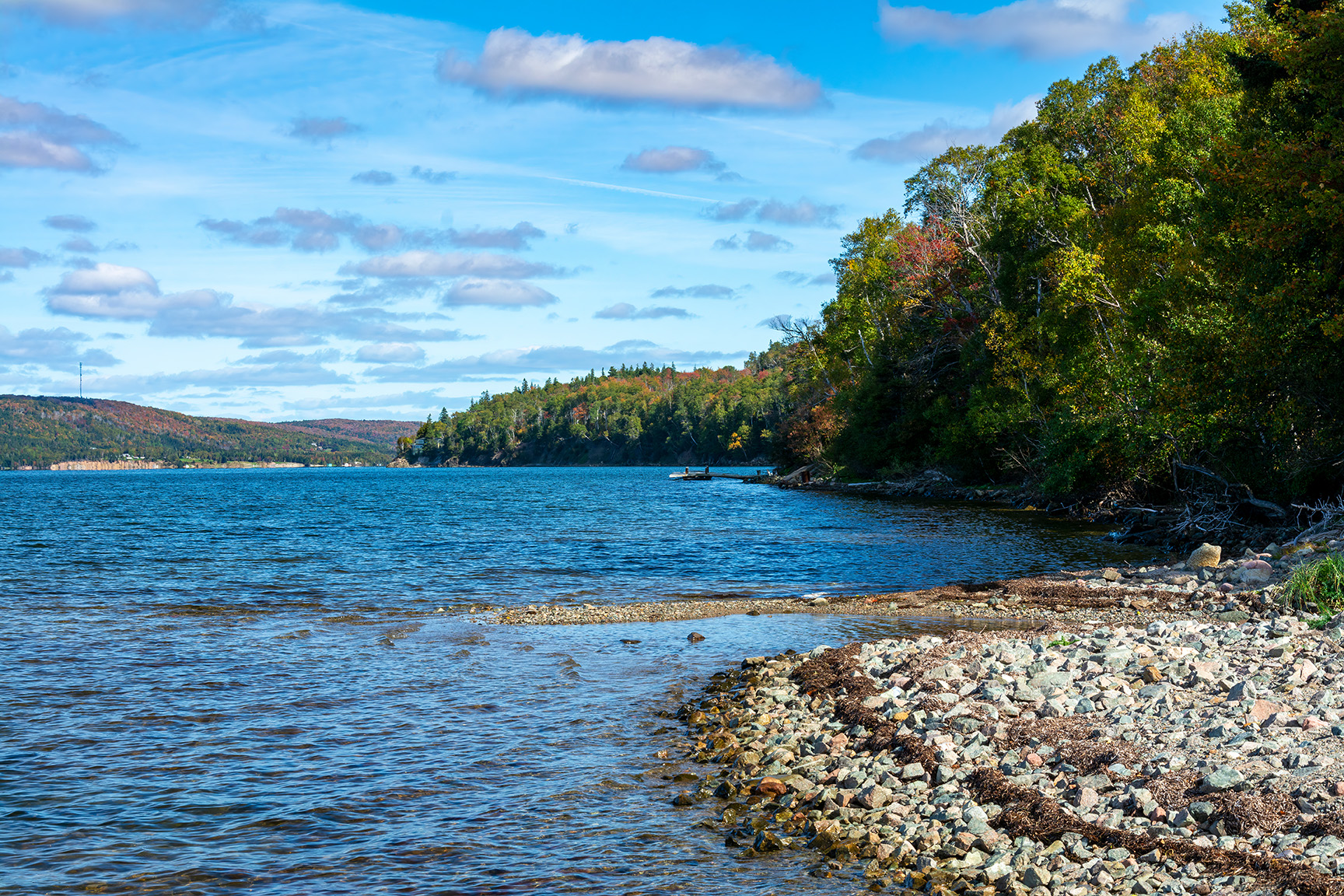
Bra D’or Lake is a tidal estuary with freshwater and saltwater pools: a rare condition. Its unique ecosystem earned it international recognition as a UNESCO Biosphere Reserve.

Called Pitupaq by the indigenous Mi’kmaq people, the pristine lake is home to bald eagles, gray seals, herons, and so many more extraordinary species.

Uncover 300-Million-Year-Old Fossils At Joggins Fossil Cliffs

The tides of the Bay of Fundy continually expose new fossils on this cliff face and beach. Spend a day as a paleontologist and discover what Nova Scotia was like 300 million years ago.

Explore the trees, plants, and animal imprints preserved in stone.

Watch Puffins At The Bird Islands

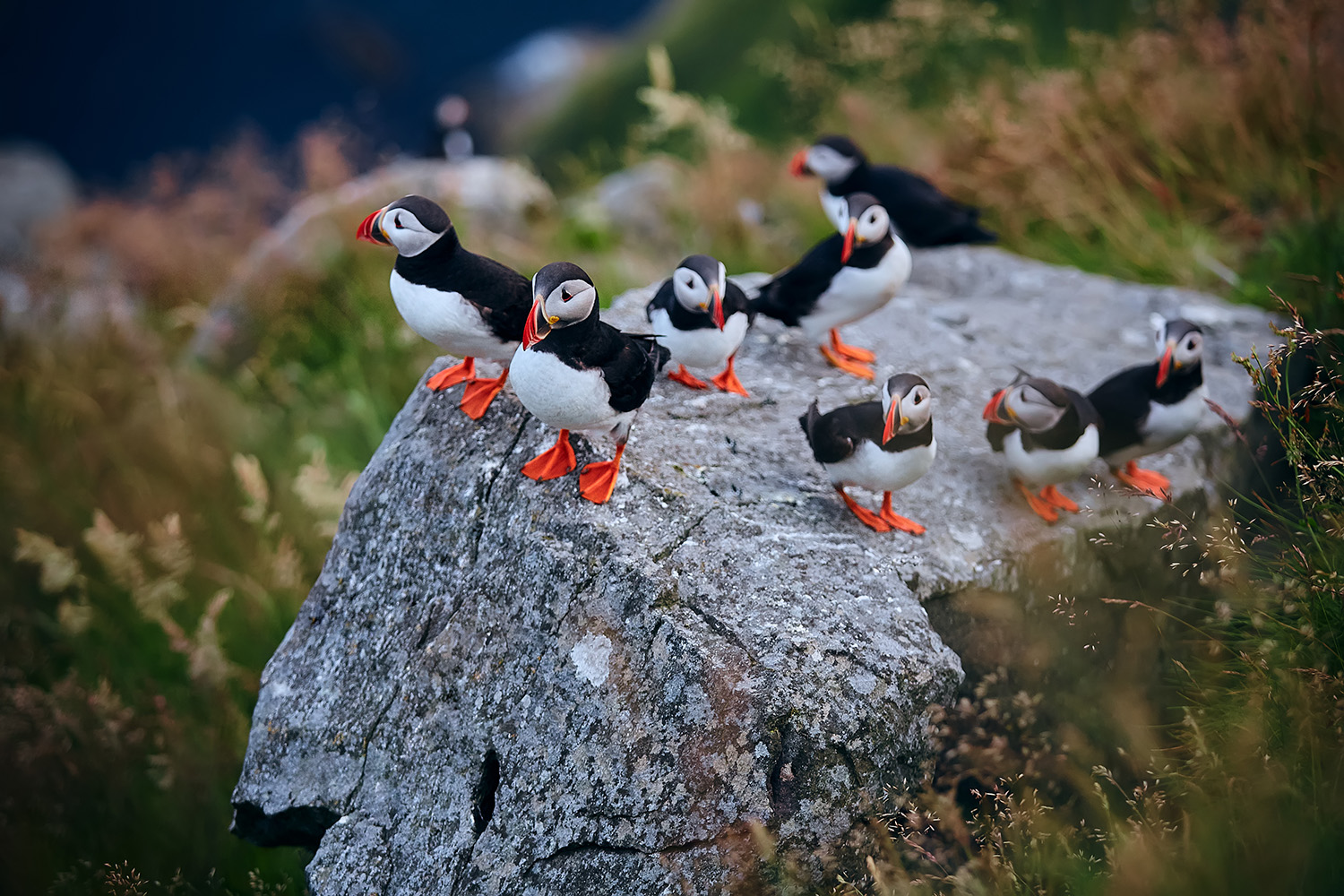
The Bird Islands of Nova Scotia draw in bird-watching enthusiasts from across the globe. The islands are home to the second-largest flock of Atlantic puffins in the world.

On boat tours, visitors can see not only nesting puffin pairs, but also cormorants, bald eagles, razorbills, and black guillemots.

Experience The Wildlife of Pollett’s Cove

Pollet’s Cove is a coastal inlet on Cape Breton Island, Nova Scotia. Visitors can camp there, hike a challenging trail, collect driftwood or sea glass, and stay on the lookout for herds of wild horses known to roam the trail.

Go Stargazing At Kejimkujik National Park (Dark Sky Preserve)

The Acadian Skies & Mi’kmaq Lands region, and Kejimkujik National Park were the first two recipients of UNESCO’s Dark Sky Preserve designation.

Rent a kit to enjoy a self-guided experience exploring constellations. Or, join a guided night hike or canoe excursion to learn about these celestial bodies from a master teacher.

Tour Old Town Lunenburg

Old Town Lunenburg preserves the historic design, architecture, and culture of a planned British settlement established in 1753.

Explore the recreated, iconic Bluenose sailing ship, delve into historic ports, lighthouses, and fisheries by boat, and hear captivating stories told on tours of the town’s hidden gems.

Explore The Halifax Citadel National Historic Site

Immerse yourself in the life of a 78th Highlander, an early 19th-century soldier of Halifax. Adults may enjoy guided walking tours and commemorative events.

Meanwhile, kids can engage in family-friendly exploration like The Citadel Adventures: an educational scavenger hunt throughout the historic site.

Take A Medicine Walk With A Mi’kmaq Cultural Ambassador In Membertou Heritage Park

A medicine Walk is a meditative, spiritually healing journey through nature. At Membertou Heritage Park on Unama’ki (Cape Breton Island), visitors can go on this journey with a practiced Mi’kmaq guide.

This walk through the island’s forest incorporates ancestral medicine teachings, singing, drumming, and even dancing. Afterward, the experience ends with a traditional Mi’kmaq tea.

While you’re on the island, consider enjoying a beading or dreamcatcher weaving workshop at the Membertou Heritage Center.

The Best Time To Visit Nova Scotia (Seasons & Climate)

The most popular months to visit Nova Scotia are July and August.

Daytime temperatures range from 15°C (60°F) to 27°C (80°F), making summer the season for outdoor festivals! Lobsterfest, free concerts, and the Antigonish Highland Games are all popular events held during the province’s warmest months.

Early autumn months, September and October, are also popular–in part because they’re the peak season for beautiful fall colors.

Can You Drive to Nova Scotia, Canada’s Eastern Peninsula?

Yes, it is possible to drive to Nova Scotia from the United States. Most arriving by car cross the Atlantic Halifax Harbor from Bay Harbor, Maine via the CAT ferry, which can transport vehicles. Others arrive by land, entering Canada at a border crossing outside Nova Scotia.

What Are The Best Ways To Travel To Nova Scotia?

There are several excellent ways to travel to Nova Scotia from the United States.

In addition to driving, visitors can reach Nova Scotia on a long-distance bus, like a Greyhound, or by train. Travelers from the U.S. can take the Amtrak to Montreal, then transfer to VIA Rail at Gare Centrale/Central Station. From there, they can take VIA Rail lines to Truro or Halifax.

Other popular ways to travel to Nova Scotia include cruises and air travel. Most international flights to Nova Scotia arrive at Halifax Stanfield International Airport.

Experience The Natural Wonders of Nova Scotia With Caravan

Gear up for a Northern adventure on Caravan’s all-inclusive Nova Scotia & Maritimes Tour.

Book a ticket today by calling 1-800-227-2826. For more information, call +1-312-321-9800.

What makes traveling in Nova Scotia extraordinary? Discover the unique beauty, history, and cultures of the shores in a single, elegant journey. Skip the travel-planning stress: Caravan’s Peggy’s Cove Tour has everything covered. 

What Happens On Caravan’s Tour From Halifax to Peggy’s Cove?

Caravan’s Nova Scotia & Maritimes Tour is a nine-day venture by boat and on foot. Over the course of more than a week, travelers enjoy dozens of scenic spots. 

Halifax: Your Adventure Begins

The journey starts at the Marriott Harbourfront, a waterfront hotel connected to Historic Properties. The stay is just a stone’s throw away from shopping, theaters, and restaurants. 

Have Fun On Halifax’s Beaches

While in Halifax, travelers have time to enjoy the boardwalk, beaches, and breakfast. The Bliss Caffeine Bar and Robie St. Station are popular brunch spots. 

South Shore Travel: To Lunenburg and Peggy’s Cove

From Halifax, the tour moves down the South Shore to the UNESCO Heritage Site village of Lunenburg, then onward to Peggy’s Cove. Peggy’s Cove isn’t one you’d want to miss!

Journey To New Brunswick and The Bay of Fundy Tides

The Bay of Fundy Tides is a day-long experience on the tour. This unique seascape is home to the tallest tides on planet Earth, and your stay at the sophisticated Chateau Moncton offers a sublime view of the Petitcodiac River’s tidal bore. 

Cross The Bridge to Prince Edward Island

The Charlottetown leg of the tour immerses travelers in a world as enchanting as a modern fairy tale. From the Anne of Green Gables House in Cavendish, to the picturesque seashore harbor town, this step of the journey is idyllic. 

Relax In Cape Bedden Island’s Resort Village, Baddeck

Cape Breton is a lively port, full of Celtic and Acadian music, dance, and celebration. Enjoy the thoughtful Alexander Graham Bell Museum, and sail on a salty inland sea. 

Drive The Cabot Trail

The Cabot Trail is a striking route through breathtaking vistas. A drive reveals mountains, valleys, forests, and ocean views as it winds from Margaree Harbour to Cheticamp. Afterward, travelers top off an afternoon with High Tea at the Keltic Lodge.

The Grand Finale: Return To Mainland Nova Scotia and Halifax

At the journey’s end, Caravan brings the tour home to Halifax. Spend the final nights enjoying the city’s history and culture, visiting the Mi’kmaq Heritage Center, The RMS Titanic, and the Maritime Museum of the Atlantic. 

What’s The Main Attraction Of Caravn’s Peggy’s Cove Tour? Peggy’s Cove Itself

Discover 9 hidden gems of Peggy’s Cove, Nova Scotia

Caravan has honed the art of travel cultivation for over 70 years. When you want the coziest accommodations, safest transportation, and best sample of a place’s art and culture, our tours deliver. 

The task of creating memorable, affordable experiences presents an opportunity to offer something unexpected. This is what we’ve done in crafting a tour centered on Peggy’s Cove. Experience the top nine surprises in this scenic locale! 

Historic Attractions

Peggy’s Cove was founded in 1811, and its citizens have preserved its culture ever since. No wonder its historic attractions are so wonderful!

Enjoy The Peggy’s Cove Lighthouse 

The Peggy’s Cove Lighthouse, also called Peggy’s Point, is an iconic beacon of hope. The red and white structure makes for a beautiful photo, particularly as it sits among a rare ecosystem. 

Explore The UNESCO World Heritage Site of Lunenburg

UNESCO designated the historic village of Lunenburg a World Heritage Site, as it uniquely preserves the architecture and role envisioned in its 18th-century inception. 

The historic authenticity extends from the architecture to its inhabitants’ commitment to traditional boat-building techniques. 

Outdoor Experiences

While the great outdoors are hardly underrated, Peggy’s Cove offers unique, natural locales unlike anything, anywhere else.

Hike Peggy’s Cove Coastal Trail

Driving the complete coastal trail is built into the tour’s itinerary. However, many enjoy additional leisurely strolls—or even more active hikes—along the trailhead. Wildflowers, cliffside docks, and pristine tidepools provide excellent scenery on the footpaths. 

Fish In Nearby D’Aubin’s Cove

As part of the historical preservation, fishing is regulated in Peggy’s Cove. However, enthusiasts are welcome to try to reel in a catch or two in the nearby, serene D’Aubin’s Cove.

Kayak or Sail From Peggy’s Cove’s Offshore Islands

The unique shoreline ecosystems of Peggy’s Cove isn’t ideal for water-based sports. But, a trip to the offshore islands is a pleasant way to approach the cove by personal boat safely. 

Arts & Culture

The historical landscape of Peggy’s Cove has cultivated an alluring arts and cultural scene. Creativity is part and parcel of this hidden gem. 

Get Inspired In The William DeGarthe Art Gallery

The William DeGarth Art Gallery is a museum dedicated to the work of the acclaimed marine artist. The visage of the sea and landscapes depicted in his paintings is imbued with life, splendor, and mystery. 

Experience Intimate Theatre and Performance at The Schoolhouse

The Schoolhouse has been a place for community and education since 1839. Today, it’s one of the most intriguing, underrated venues for theater, dance, and music in Nova Scotia.

Enjoy The Peggy’s Cove Area Festival of the Arts (PCAFA)

Every July brings the PCAFA, a grand coming together of artists from all over Canada. 

The Paint Peggy’s Cove event invites artists from all walks of life to depict the harbortown’s beauty in paint, while the Peggy’s Cove Studio Tour displays artistry and creative demonstrations across 44 gallery locations. 

Dining 

It’s easy to miss Peggy’s Cove’s culinary spirit. At first glance, it’s a chowder town. But a second look reveals unexpected tastes to be experienced.

Eat At Bishop’s Landing

The historic Bishop’s Landing is an excellent place to dive into the culinary portion of your Peggy’s Cove adventure. Or, take a quick trip to the widely praised Bubba Magoo’s Bistro for excellent seafood. 

Let Caravan Take You Someplace Wonderful


Whether you’re ready for a grand Nova Scotia tour, or you’re aiming for a quieter trip, Caravan has you covered. We’ve planned all-inclusive tours since 1952. If you’re dreaming about a family vacation in Peggy’s Cove—or anywhere else—give our agents a call. Ring us at +1 (312) 321-9800, or call 1-800-CARAVAN.

The world is vast. How can a person choose where to go, to immerse themselves in its beauty? 

We might look to heritage organizations for guidance. World heritage organizations like UNESCO are dedicated to highlighting and preserving some of the most unique, extraordinary places on Earth. 

In 1995, UNESCO gave its official stamp of approval to Lunenburg, Nova Scotia. Since then, its reputation as an authentically preserved world heritage site has only grown. 

Honoring the town’s unique history, the people of Lunenburg maintain the 18th-century architecture, boatcraft, and structure the town’s planners first envisioned. A piece of history brought to life each day, Lunenburg has a lot to offer the contemporary traveler.  

Caravan Presents: Exploring Nova Scotia, The Maritimes, and Lunenburg In Style

Caravan has honed the art of the tour since 1952. Our expert guides curate escorted, all-inclusive adventures for travelers and families from all walks of life. 

When we began developing our Nova Scotia tour, we knew a comprehensive, stress-alleviating package must include dining, transport, and accommodations. We go beyond those basics. 

Each tour should evoke an inarticulable allure. On the Maritimes tour? We connect our travelers with the subtle sublime, drawing out the je nai se quoi of the moody, seaside town of Lunenburg.

12 Excellent Attractions in Lunenburg, Nova Scotia

There are plenty of sights in Lunenburg that draw visitors’ attention. But which attractions rank among the best?

Outdoor Attractions

The historic port town was first planned as a hub of fishing commerce. Naturally, many of its loveliest outdoor sites bring travelers back to the seaside.

1. Crescent Beach

Crescent Beach connects mainland Lunenburg to the LaHave Islands. This white-sanded stretch of the South Shore coast invites picnicking, swimming, and tidepool exploration.

2. Second Peninsula Provincial Park 

This oceanside park invites visitors to enjoy its cobblestone beach. Sailing, scenic views, and nearby trails make it a popular draw among Lunenburg’s coastal sites. 

Cultural sites

As a designated, protected historical place, Lunenburg is filled to the brim with heritage. Iconic, centuries-old buildings rest alongside memorials to dramatic moments in history, and authentic demonstrations of traditional craft dot the town. Its cultural offerings intrigue enthusiasts and history buffs alike. 

3. Lunenburg Historic District 

The Lunenburg Historic District is also called Old Town Lunenburg. The buildings and layout of the town’s square date back to the 18th century. The well-maintained, authentic color and style of the district’s architecture cultivate a vibrant aesthetic, unexpectedly blending warmth and elegance.  

4. Bluenose II

Bluenose II is a replica of the iconic racing vessel Bluenose. Like the original Canadian icon, Bluenose II boasts one of the longest mainsails on Earth. While not in use, visitors can enjoy tours and deckhand experiences.

5. Ironworks Distillery 

The Ironworks Distillery repurposes a historic marine blacksmith’s shop, first built in 1893. While preserving the space’s unique structure and design, its interior conversion into a micro-distillery offers a luxurious, traditional take on Lunenburg ale.

6. Rum Runners Trail

Run Runner’s Trail is a preserved trail first forged in the prohibition era. Today, travelers can explore the trail’s history through community kiosks, while following its route through parks, beaches, and bays. 

Shopping 

One of the best parts of an affordable, pre-planned tour? Travelers might have more cash left on hand to splurge a bit. Shopping in Lunenburg, Nova Scotia is a charming experience—one that visitors shouldn’t under-rate!

7. Pearl’s Vintage and Thrift

From centuries-old antiques to throwback styles of the 70’s, Pearl’s Vintage & Thrift is the most prominent secondhand bazaar in Lunenburg. The bold magenta building doesn’t look out of place among the town’s colorful streets, and its secrets are delightful.

8. Block Shop Books

Block Shop Books is a charming store on Montague Street, in a building historically used for shipcraft. Run by an author and an illustrator, the shop is a vibrant spot for author readings, community events, and hiding away with a book.

9. The Cormorant’s Eye

Expect the unexpected, and you’ll be prepared for The Cormorant’s Eye. The curated, mid-century gift shop offers plenty of wares to remember your travels by. 

Dining

The proverb, “the way to a man’s heart is through his stomach,” may or may not be true in the art of romance. But when considering how one grows to love a place? It’s simply fact. To fall in love with Lunenburg, eat well there!

10. Beach Pea Kitchen and Bar

Beach Pea Kitchen and Bar offers an upscale dining experience—without the stress. Indulge in iconic, Mediterranean cuisine, locally sourced dishes, and luxury wines of Nova Scotia and abroad. 

11. Bar Salvador

Travelers and townies alike rave about Bar Salvador. A tapas-style venue, it offers an old-world cuisine for a cultured palette. Pairing locally sourced ingredients (including fresh-caught yellowfish tuna) with Spanish imports, the restaurant grants diners a tasting experience they won’t find anywhere else.                                                                                                                                                         

12. Lincoln Street Food

At the other end of the spectrum, Lincoln Street Food is a bustling, coastal neighborhood market, each kitchen serving dynamic offerings adapted to the season. Between inspired, fresh seafood, local produce, and curated craft beers, Lincoln Street Food offers an exciting taste of Lunenburg today. 

Affordable Adventures In Lunenburg—and Beyond

Caravan takes the guesswork out of travel. For over 70 years, we’ve crafted tours of extraordinary global locales and priced them within reach of families, retirees, and everyday folks. 

Our Nova Scotia tour includes food, lodging, transport, and guided activities at every stage of the journey. 

If you’re ready to plan the Lunenburg adventure of a lifetime—or embark on a different dream tour—call us today! Caravan’s agents can be reached by phone at +1 (312) 321-9800 or 1-800-CARAVAN

Canada is massive, spanning over 3.8 million square miles in North America. It’s incredibly diverse, home to a variety of ethnicities, religions, and ancestries, all spread across its ten provinces and three territories. There’s something for everyone here, whether you prefer the wide, open expanse of Saskatchewan’s prairies or the quiet, coastal life of Prince Edward Island.

Prince Edward Island has nothing on the sheer size of Canada’s other provinces and territories. It’s the smallest of the bunch, making up a mere fraction of the total landmass of the country. Yet despite its small size, this Canadian province is brimming with opportunities for adventure and discovery. If you’re planning to visit, there are plenty of sightseeing adventures and excursions to add to your itinerary, including various historical experiences, attractions, and sightseeing. Visit on a self-guided trip, adding these fun activities to your itinerary, or enjoy a Prince Edward Island tour (included with our Nova Scotia & Maritimes tour!). 

H2 – Why Visit Prince Edward Island?

Prince Edward Island certainly isn’t known for its size. The landmass of the other Canadian provinces dwarfs Prince Edward Island. It is the smallest province of the bunch, after all. Yet, while it is undoubtedly small, there’s no shortage of things to see and do on the island. 

Historical experiences, an art center, a national park, a famous creamery, lots of sightseeing, and even a drive-in theater—there’s plenty to do when you visit Prince Edward Island.  

Historical Experiences

If you’re a history buff, Prince Edward Island is sure to impress. You’ll have a handful of historic sites, museums, and heritage places to visit. 

For example, the Province House National Historic Site, located in Charlottetown, is a must-visit. It’s often called the “Birthplace of Confederation,” having been the location of the 1864 Charlottetown Conference, which led to the formation of Canada. To this day, it remains the home of PEI’s provincial legislature. You can tour the building, learning all about its role in Canada’s history through the many interactive exhibits scattered throughout. 

The Green Gables Heritage Place, the famous literary home that inspired L.M. Montgomery’s classic novel Anne of Green Gables (bookworms, this one’s for you!), is another worthwhile stop. The home, located in Cavendish, has been meticulously restored to look as it did in the late 19th century. You can tour the home, meander through the Haunted Woods, and even take part in all sorts of Anne-related activities. 

The Basin Head Fisheries Museum gives you a closer look at PEI’s maritime history. It’s located on the island’s eastern side and is dedicated to its fishing heritage. It boasts all sorts of interactive displays and artifacts that illustrate just how fishing shaped PEI’s culture and economy, demonstrating its evolution over time. You can even meander down to the “singing sands” beach at Basin Head, which is known for the unusual sound the sand makes when walked on. 

Notable Attractions

Prince Edward Island isn’t known for its size, but it has lots of attractions to suit all sorts of interests. A couple of Prince Edward Island tourist attractions to add to your itinerary include:

  • Confederation Centre of the Arts: This one is a must-visit for culture lovers. It’s nestled in Charlottetown and features all sorts of visual and performing arts, hosting live theater performances, concerts, and art exhibitions year-round. If you’re a fan of Anne of Green Gables, visit in the summer when the book-inspired musical is playing. 
  • PEI National Park: If you enjoy spending time in the serene peacefulness of nature, stop at the Prince Edward Island National Park. It’s known for beautiful red sandstone cliffs, stunning beaches, and miles upon miles of hiking and biking trails. 
  • Cow’s Creamery: The island is known for its farm-fresh products, including those from Cow’s Creamery, a famous culinary landmark. This creamery has become somewhat of a PEI institution, offering some of the most delicious, mouthwatering ice cream you’ll ever taste. While the ice cream undoubtedly steals the show, the creamery offers a handful of other dairy products, including award-winning cheeses. 
  • Drive-In Theater: If you’ve never had the chance to enjoy a movie at a drive-in theater, pencil in a visit to PEI’s Drive-In Theater while you’re there. It’s a nostalgic throwback attraction, one of the few remaining drive-ins in the country. It’s such a fun experience, especially as a closing activity after a summer day full of fun on the island. 

Sightseeing for Days

Prince Edward Island is a mere fraction of the size of the rest of Canada, but it still packs a sightseeing punch. There are over 2,000 square miles of Prince Edward Island sightseeing potential (mostly scenic beaches). Since you are on an island (that isn’t particularly huge), you’re never more than a short drive from incredible beach views. 

You can soak in the splendor on one of three main scenic drives: the Central Coastal Drive, the North Cape Coastal Drive, and the Points East Coastal Drive. Each one has something different to offer, including breathtaking views of the coastline, countryside, and charming fishing villages. If you have the time, you could spend days slowly making your way along the coast, stopping at lighthouses, quaint seaside towns, and sandy beaches along the way. 

Or, if you want to explore the island on two wheels (and get some exercise at the same time), go cycling on the Confederation Trail. It’s a 435-kilometer trail that extends across the entire island, meandering along the route of old railway lines. It’s pretty flat, so if it’s been a while since you’ve explored on two wheels, it shouldn’t be much of a challenge. It’ll take you on a sightseeing journey, giving you incredible views of rolling farmlands, quiet forests, and a vibrant coastline. 

Of course, beyond scenic drives and bike rides, there are stunning beaches and picturesque villages that may capture your attention. Red Sands Shore, a beautiful beach with russet sands, is a perfect example of this. The contrast of the blue waters and reddish sands is undeniably Insta-worthy. 

Victoria-by-the-Sea, a quaint village, is another picture-worthy stop. It has a charming harbor, colorful buildings, and cozy cafes. Whether you want to enjoy a peaceful stroll, shop in artisan shops, or indulge in fresh seafood at a local restaurant, this cute little village has plenty to offer. 

Caravan’s Nova Scotia Tour: Prince Edward Island and More

Canada’s eastern provinces have much to offer, so much so that we’ve created a guided tour dedicated to Nova Scotia and the Maritimes. Our nine-day tour takes you to the area’s many wonders, from the stunning coastlines to the historical landmarks. The itinerary looks like this:

  • Day 1: Your adventure begins on day one when you touch down at the Halifax Stanfield Airport. Make your way to your hotel on the Halifax waterfront, where you’ll enjoy a two-night stay. Join us for the welcome briefing at 8:00 p.m.
  • Day 2: On day two, you’ll take a brief sightseeing tour of Halifax before continuing along the South Shore to Lunenburg, a UNESCO World Heritage Site, and Peggy’s Cove. 
  • Day 3: Day three is dedicated to the Bay of Fundy Tides, the highest on Earth. Watch the gradual changes in the tides, which can rise and fall between six and eight feet an hour. 
  • Day 4: Prince Edward Island dominates the itinerary on day four. In the morning, you’ll meander over Confederation Bridge to PEI and spend the day exploring its wonders. Visit the Prince Edward Island National Seashore, Charlottetown, and the Anne of Green Gables house in Cavendish. 
  • Day 5: On day five, you’ll visit Wood Islands before ferrying back to Nova Scotia. The rest of the day includes a stop at the Alexander Graham Bell Museum and a boat cruise on Bras d’Or Lake. 
  • Day 6: Cabot Trail Loop, high tea at the Keltic Lodge, and Cape Smokey make up day six. You’ll get to enjoy beautiful views of forests, mountains, valleys, and coastlines throughout the day. 
  • Day 7: On day seven, you’ll head south toward mainland Nova Scotia to visit with the First Nation People at the Mi’kmaq Heritage Center before returning to Halifax. A sightseeing tour of the highlights fills the afternoon. 
  • Day 8: The last full day of your tour is dedicated to exploring Halifax. Take a guided stroll along the historic waterfront, stopping at the Maritime Museum of the Atlantic. Spend the rest of the day at leisure, exploring the abundant attractions throughout the city, many of which are within walking distance of the hotel. 
  • Day 9: And after eight days of exploration, your guided tour comes to an end. Finish things off with breakfast at your hotel before making your way to the Halifax Stanfield Airport to travel back home. 

Book Your Canadian Adventure With Caravan Today!

If the sights and activities of Prince Edward Island sound like your cup of tea, our Nova Scotia & Maritimes tour might be just the vacation you need. If you’re looking into how to visit Prince Edward Island without planning the details yourself, it’s an excellent choice. You’ll get to enjoy Prince Edward Island and more, all packed into a pre-planned 9-day tour. Ready to book a trip? Call us at 1-800-CARAVAN or 1-312-321-9800 to book your excursion today!

If you plan to visit the Canadian Rockies anytime soon, Head-Smashed-In Buffalo Jump is well worth the stop. Head-Smashed-In Buffalo Jump in Canada, located in southwestern Alberta, is a historic treasure that hints of techniques and tales of years past. It was a staple hunting technique that Indigenous peoples used to kill massive herds of bison all at once. 

Today, the 60-plus-foot sandstone cliffs paint a vivid picture of the techniques used in the hunt. It’s an intriguing stop, especially if you appreciate the history of years gone by (we know we do!). Here’s what you can expect to see during your visit. 

Exploring the History of Head-Smashed-In Buffalo Jump

Head-Smashed-In Buffalo Jump, a UNESCO World Heritage Site since 1891, is a remarkable place with a deep connection to the Indigenous peoples of the North American plains. First used in 4,000 B.C., this buffalo jump was integral to bison hunting for many years. 

The Legend of the Name

Head-Smashed-In Buffalo Jump is quite the name. It doesn’t paint a particularly pleasant picture of the site that draws countless visitors yearly. Unfortunately, the legend behind the name is just as macabre.  

Despite popular belief, the name does, in fact, not stem from the gruesome end the buffalo met at the bottom of the canyon. Instead, the name comes from a young Blackfoot who wanted to gain a different perspective on the hunt. As legend goes, this young man wished to watch the buffalo plunge from the cliff from the canyon below. 

Unfortunately, he stood too close when the buffalo began leaping from the cliff far above. As the creatures leaped to their deaths, crashing down into the canyon far below, he was crushed. Later, the Blackfoot found him beneath the pile of carcasses; his head smashed in due to the sheer weight of the animals and the blunt trauma of the falling creatures landing atop him. And, so, the buffalo jump got its name. 

Historical Significance

Head-Smashed-In Buffalo Jump is one of the oldest, largest, and best-preserved sites that whispers of practices long since abandoned. It gives us a clear idea of the communal hunting techniques that Plains people leveraged, particularly when hunting bison. 

The jump allowed the Indigenous peoples to hunt and harvest larger amounts of bison, which would have otherwise been very difficult using traditional hunting methods. The workings of the hunt were fascinating. 

However, while the cliffs undoubtedly steal the spotlight, they’re not the only thing you’ll find here. The surrounding landscape is remarkably preserved, painting a larger picture of the whole operation. There’s a gathering basin and over 500 stone cairns, or piles of rocks used for marking, all of which helped funnel the bison toward the cliff.  

The Workings of the Hunt

When the time came to hunt, the community worked together to hunt, kill, and process the massive herds of bison. If they waited too long, the meat would spoil, so this operation required a team effort. 

It started with the buffalo runners. These were skilled hunters who disguised themselves as bison and wolves, leveraging their experience and disguises to lure the herd toward the cliffs. When the time came, the runners, along with help from other hunters, would stampede the herd over the cliff. 

The herd careened over the cliff to its death, landing at the bottom, about 65 feet below. Others waited at the bottom, a safe distance from the falling bison, to kill any that survived the fall. After the stampede was complete and all bison were dead, the community processed the meat. 

They used nearly every part of the bison—nothing went to waste. It took days to process the hundreds of bison that died in the stampede, but after all was said and done, the community had impressive stores to last through the seasons. They tanned the hides for clothing and blankets, used the bones to make tools, removed the sinew for thread, dried the meat, and boiled the bones to remove grease. 

What to Expect From Your Trip

If you’re planning to visit Head-Smashed-In Buffalo Jump, you’re in for a treat (especially if you love learning about different cultures and history). You’ll get to enjoy spectacular cultural experiences and beautiful panoramic views. If you’re lucky, you might even spot a critter or two as you meander along the network of walking trails. 

Incredible Cultural Experiences

When you visit Head-Smashed-In Buffalo Jump, you’ll get to immerse yourself in an intriguing cultural experience that brings the traditions, customs, and beliefs of the Plains People to life. 

First up, visit the site’s interpretive center. In here, you’ll find all sorts of information about the history and culture of the people that once resided and hunted in this area. The center is somewhat of an architectural marvel—it’s built into the hillside to blend with the natural landscape. 

You’ll get to learn about the story of the buffalo jump, from its geological formation to its historical significance, through the many exhibitions scattered throughout. Most of the exhibitions feature artifacts, multimedia presentations, and interactive displays. 

For example, there are a couple of displays featuring bison hides with informative descriptions and a blurb about one of the many facets of life in those years. Other displays showcase what the Plains people did with other parts of the bison—carved horn and hoof drinking cups, bone weapons, and hide bags.

There’s even a diorama that shows a buffalo hunt in progress. It’s a portrayal of how the Plains people worked together to drive the buffalo over the cliffs. An audio presentation accompanies the diorama, explaining the techniques and strategies required for a successful hunt. 

Aside from the exhibitions, you can also participate in various programs and events. For example, there are traditional drumming and dancing performances, storytelling sessions, and craft demonstrations. You can partake in guided tours, where you’ll learn more about the site and its history (we highly recommend these, especially if you’re a history buff—they’re well worth it). 

Panoramic Views

The historical and cultural significance alone is enough to warrant a visit to Head-Smashed-In Buffalo Jump. But if that weren’t enough, you’ll also get to enjoy the incredible natural beauty of the area. The sandstone cliffs are surrounded by rolling hills and expansive prairies. 

If the day is clear and you stand atop the cliffs, you can see far and wide—the landscape feels so vast, evoking a sense of the open spaces and boundless skies that characterize the North American plains. You can see for miles in every direction—it’s simply spectacular. If you’re lucky, the day might even be clear enough to spot Loaf Mountain, Drywood Mountain, and Victoria Peak dominating the horizon to the south of the jump.

The lands are dotted with native grasses, wildflowers, and shrubs. If you’re up for a stroll, you can walk along the assortment of trails that allow you to explore the lands surrounding the cliff. These trails wind through the prairie, giving you a closer look at the local flora and fauna.

Lots of Wildlife

As you’d probably guess, the region is home to all sorts of wildlife. While the bison were once plentiful in this area, roaming the plains in massive herds, they’re long since gone. They no longer live in this area in the vast number of years past, but they still remain a symbol of the area’s natural heritage. 

While you meander through the site, you might be lucky to spot various wildlife species, such as pronghorn antelope, deer, coyotes, rabbits, and ground squirrels. You might even spot an assortment of birds soaring above, including hawks, eagles, and songbirds. 

If you do spot a few critters during your visit, remember to keep your distance. Watch them go about their business, but don’t attempt to approach or pet any animals. 

Visit Head-Smashed-In Buffalo Jump on a Guided Tour With Caravan

Head-Smashed-In Buffalo Jump is more than a neat-looking sandstone cliff—a visit here is an opportunity to learn about the history and traditions of the Indigenous peoples of the North American plains. It’s a peek into years past, shedding light on the timeless practices, communal hunting, and resourceful utilization of bison by the Plains People. After visiting more than a time or two, we think this stop is well worth it (especially if you’re a history buff or cultural enthusiast). 

Ready to explore all Head-Smashed-In Buffalo Jump has to offer? Our guided tour will take you there. We offer a nine-day tour of the Canadian Rockies & Glacier, hitting some of the best spots along the way, including Head-Smashed-In Buffalo Jump. 

When you take this trip, you’ll get to explore the breathtaking beauty of the Canadian Rockies and the nearby plains, stopping in all sorts of places. And the best part? You won’t have to plan nearly anything (except for your flight). We plan all of the details, including transportation, lodgings, and activities. This way, you can kick back, relax, and enjoy your vacation to the fullest without sweating the details. 

If you’re ready to go on an adventure and explore the history of Head-Smashed-In Buffalo Jump (and more), book a trip with us today. Call 1-800-CARAVAN or 1 (312) 321-9800 to get started. 

Cradled in the heart of the Canadian Rockies, Banff National Park is a must-see on your adventure to the area. It’s home to awe-inspiring beauty, from its craggy peaks that stretch toward the sun to the wildlife meandering through its dense forests and valleys.

While there’s much to do, from hiking to skiing, the Banff gondola ride is a must-do experience for visitors. Even though we’ve seen the sights multiple times, the 360-degree views of Sulphur Mountain and the peaks and valleys beyond never get old. So, if you’re planning to visit Banff National Park, be sure to stop and enjoy a gondola ride. Here’s what you can expect on your adventure.

The Banff Gondola Ride: From Start to Finish

Taking that first ride can be daunting if you’ve never ridden in a gondola. After all, riding in a compact enclosed cabin that dangles from cables can seem quite scary. But, if you know what to expect, you may find that you can enjoy your excursion to the summit more.

So, after taking a ride or two on the Banff gondola, we can give you a better idea of what to expect. Here are the basics of the ride, from start to finish:

Arriving at the Base

Your adventure begins at the base of the Banff Gondola, located just a few minutes outside the town of Banff. Plenty of signs indicate where the gondola is, so you shouldn’t miss it. There’s plenty of parking to go around, so there’s usually no hiccups in this regard.

If you don’t have a ride, you might be able to catch the Banff ROAM Public Transit bus, which will take you to the Banff Gondola. It costs $2 per person each way. In the summer, you can get a free return ride from the gondola back into town. All you’ll need to do is show the driver your ticket for a free return ride!

Once you’ve parked, you’ll need to purchase a ticket. You can buy them online in advance (we recommend this route) or at the office on-site. The price varies based on the person’s age and season. Group packages are available, plus packages that combine the gondola ride with other popular attractions.

Boarding the Gondola

With your tickets in hand, it’s time to board the gondola! This seemed a bit scary, but it’s really not that bad. You’ll just step from the platform into the enclosed cabin, and an employee will come around and close the doors.

Each gondola comfortably fits four people, although five may fit if one is a small child or baby. Once you’re on board, sit down and enjoy the ride! It usually takes a few minutes to load each of the gondolas, but before you know it, you’ll be on the move!

Journey to the Summit

Once the gondola starts its ascent, keep your eyes peeled out the windows. The scenery gets better and better as you climb, giving you a bird’s eye view of the forest, rocky outcroppings, and alpine meadows below.

If you look closely, you might even spot some wildlife! It’s not unheard of to see deer, mountain goats and even bears going about their daily lives. We spotted a few deer but nothing else.

It takes about eight minutes to get to the top. The ride covers a distance of 2.3 miles and climbs over 2,200 feet, bringing you to almost 7,500 feet above sea level!

Sights at the Top

Once the gondola halts its journey at the upper terminal, you’ve reached the summit of Sulphur Mountain. You’re at an elevation of 7,486 feet! Stepping out of the gondola, you’ll find panoramic views of the surrounding mountains, valleys, and the town of Banff far below.

The upper terminal is a marvel all on its own! There’s plenty to explore up here before making your descent down the mountain once more. Here’s what you’ll find at the top:

  • Observation deck and boardwalk: There are a few observation decks that offer incredible views of the mountains beyond. The Banff Skywalk, or Sulphur Mountain Boardwalk, is a self-guided interpretive walkway that extends a little over half a mile along the ridgeline. At the other end, you’ll find the historic Sanson’s Peak Meteorological Station and Cosmic Ray Station, each with fascinating insights into the area’s scientific significance. The stroll along the ridgeline offers outstanding views and features a gentle incline, so you don’t need to worry about a tough hike to get to the stations.
  • Interpretive Center: The Above Banff Interpretive Center is also located at the Sulphur Mountain summit. Its interactive exhibits and displays offer intriguing information about the region’s geology, wildlife, and history. We thought it was a fascinating addition to the mix. After all, it’s pretty neat that you can learn more about the natural wonders sprawling right in front of you!
  • Dining with a view: If you’re in the mood for a bite to eat, pick from one of two dining options: the Sky Bistro or the Northern Lights Cafe. Both offer phenomenal views and yummy food. The Sky Bistro is a fine-dining restaurant with Canadian-inspired cuisine, while the Northern Lights Cafe is set up for quick bites, snacks, and beverages. We had eaten not long before we came up, so we just grabbed a few light snacks from the cafe before continuing our explorations.
  • Gift shop: If you want something to commemorate your experience atop Sulphur Mountain, be sure to stop at the gift shop. There’s an impressive array of souvenirs, apparel, and even locally crafted options to bring home with you to preserve the memory of your trip. We loved perusing the indigenous arts and crafts, but since we didn’t save much room in our suitcases, we opted for a postcard to commemorate our trip (we like to write our favorite memory on the back of the postcard).

Descending the Mountain

Once you’ve had your fill of the panoramic views and activities at the summit, take the gondola back down the mountain. Like the ride to the summit, the journey down offers incredible views of the changing landscape, giving you another opportunity to snap a few photos.

We thought that the descent felt more relaxed than the ascent, but that was probably due in part to the excitement of riding up and seeing the sights for the first time. When you return to the lower terminal, hop off the gondola and continue your adventures.

We explored Banff National Park a bit more before heading into town. It’s such a beautiful area, so we took our time soaking in the splendor before we meandered back into town for a bite and some shopping. Of course, you can do whatever works best for you! If you’re ready for a meal when you get back down, we recommend the Bluebird Wood-Fired Steakhouse (the steak is incredible) or the Juniper Bistro (the French toast and eggs are delicious).

Tips to Make the Most of Your Gondola Ride

Before you embark on your adventure to the summit of Sulphur Mountain, here are a few things to consider:

Dress Warm

Remember to dress warm if you visit during the late fall, winter, or early spring. The ride brings you up over 2,000 feet above where you started at the lower terminal, bringing you to an elevation of nearly 7,500 feet above sea level. It can get pretty chilly up here, and the gondola cabin isn’t heated, so it’s important to dress warm.

At this elevation, it can be chilly, even in the summer, especially if you go earlier in the morning or later in the evening. So, be sure to dress warmly. If you go in the winter, wear your winter gear, including a hat, coat, pants, gloves, and a scarf.

Book Ahead

Banff is a touristy town that attracts millions of visitors annually, so attractions around town can get pretty busy. The gondola ride stays fairly busy year-round, although there’s usually a lull between September and October and May to June. Banff is a popular destination in the summer for its hikes and in the winter for its skiing, so it can be hectic during these peak times.

So, since it stays shockingly busy, even during slower seasons, we recommend booking ahead. This way, you won’t miss out on the ride, as it can get booked out for days at a time.

If possible, book a slot before noon or after 5 p.m. to beat the crowds.

Arrive Early

Just like booking ahead, arriving early is a must. Given how busy and chaotic it can get during the busiest hours of the day, it’s important to give yourself enough time to beat the crowds and make it to your ride.

Give yourself at least 10 or 15 minutes extra to get to where you need to go. Many people have reported having to wait in line for hours, usually if they didn’t have a ticket, so plan ahead and give yourself enough time in case of lengthy lines.

Bring a Camera

The sights from the gondola and summit are simply incredible, so bring a camera to capture the views. You could even keep a theme going on your Banff trip and bring along a Polaroid camera to capture your trip. Then, when you get home, put them all in a cute little scrapbook to preserve your memories.

Of course, a good ‘ol camera or smartphone will do the job, too. Snap a few pictures (and videos, if you like) on your way up and at the summit. But, as you capture the moment, don’t forget to stay present and soak it all in! The ride isn’t very long, so enjoy each second as you steadily climb to the summit.

Be Prepared for The Heights

If you’re a bit nervous about heights (some of us are, too), prepare yourself before getting on the gondola. The views are exceptional and well worth it, but it’s important to note that you will be over 100 feet above the ground at some points during the ride.

This might not be the best fit if the heights are too much for you. If you decide to go, avoid looking down. Instead, keep your eyes on the beautiful mountains surrounding the gondola, watching as the trees pass by the window. It’s such an incredible experience, so if you don’t mind the height, we think it’s well worth the venture.

Add Hiking to the Mix

If you’re up for a hike, you can hike one way and take the gondola the other way. The hike is moderate to difficult and usually takes two to four hours, depending on your fitness level. During the excursion to the top, you’ll get some awe-inspiring views of the mountains and forests beyond.

If you’d like to hike but aren’t too keen on huffing and puffing to the top, consider riding the gondola up and walking down. With this option, you’ll still have to pay the full ticket price, even though you won’t be riding down.

Or, if you’re up for the exertion of a hike at higher altitudes, hike up and ride the gondola down. You can buy tickets at the top for half price since you’ll only be riding down! However, it’s important to note that you can’t bring pets onto the gondola, so if you plan to ride the gondola down, your furry companion will have to stay behind.

Enjoy the Gondola, Canadian Rockies, and Glacier Park on a Guided Tour

Alberta is home to an assortment of stunning scenery, from its crisp alpine lakes and winding rivers to its rocky outcroppings and jagged mountain ranges. There’s much to see, whether you enjoy an invigorating hike or simply soaking in the dramatic scenery. Given the abundance of things to see and do, planning a well-rounded trip can seem a bit daunting. That’s where we come in.

We’ve packed the best sights and activities into our nine-day tour of the Canadian Rockies and Glacier Park. This tour takes you from the striking beauty of Glacier Park in Montana to the sweeping views you’ll get on the Banff gondola ride. The best part? We handle the details, from transportation to lodgings, so you can kick back, relax, and enjoy your vacation!

Ready to book a trip? Call 1-800-CARAVAN or 1-800-312-321-9800 to get started today.