Exploring Lisbon: A Walking Tour of Portugal’s Coastal Capital
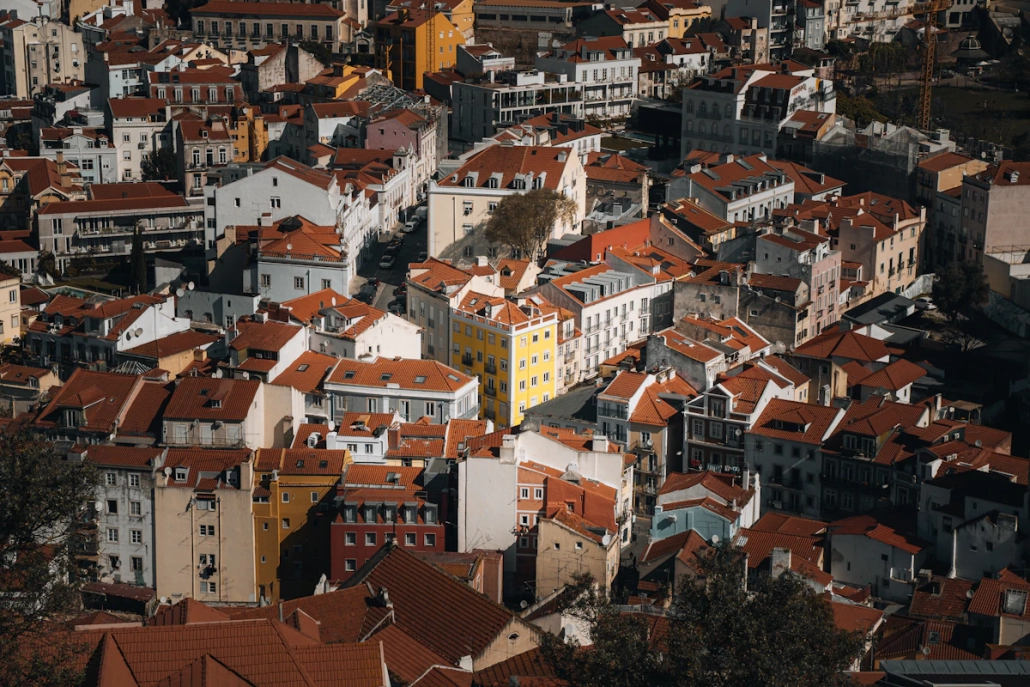
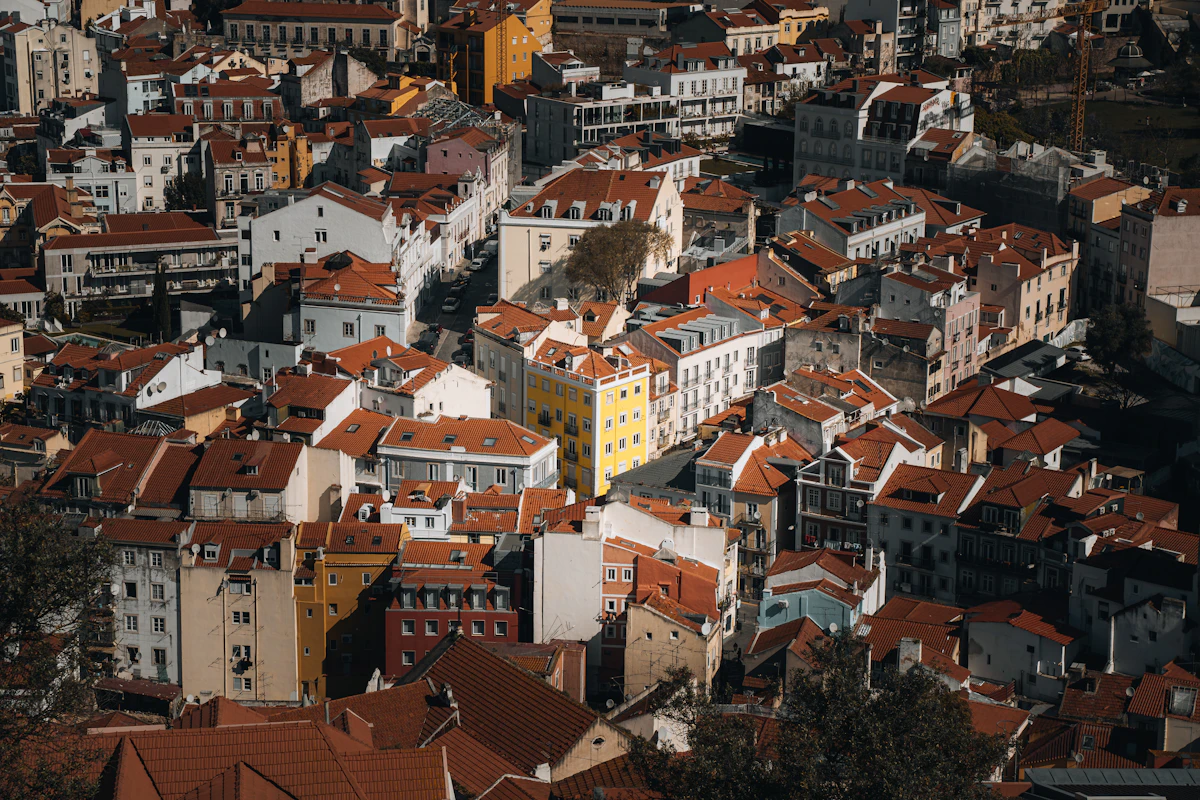
Lisbon is a city that earns your attention one hill at a time. It’s built on seven of them, which means you’ll feel it in your calves by noon, but you’ll also stumble into viewpoints that stop you mid-sentence. The light here has a particular quality, warm and a little hazy off the Tagus River, that makes even ordinary streets look cinematic.
As the starting point of Caravan’s 14-day Spain and Portugal tour, Lisbon sets a high bar for the rest of the trip. It’s the kind of city where a morning walk through one neighborhood can cover 500 years of history, three pastry shops, and a tram ride that doubles as a thrill ride.
Belém: Where Portugal’s Golden Age Still Lives
Start in Belém, a waterfront district about 15 minutes west of the city center. This is where the big monuments are, and they exist because of one thing: money. Specifically, the spice trade money that flooded Portugal in the 15th and 16th centuries when explorers like Vasco da Gama were opening sea routes to India and beyond.
Jerónimos Monastery
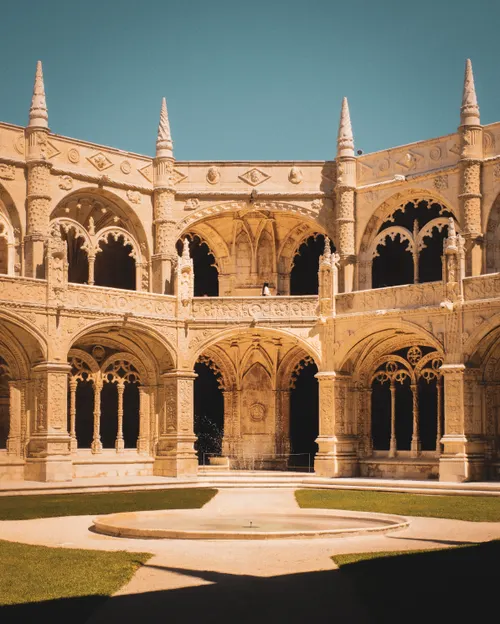
The Jerónimos Monastery is the crown jewel of Belém and a UNESCO World Heritage Site. Construction started in 1501, funded by a tax on spices, and it took nearly a century to complete. The Manueline style, Portugal’s own twist on late Gothic architecture, is on full display here. Think carved stone ropes, anchors, sea creatures, and coral motifs wrapping around doorways and columns. The south portal alone could hold your attention for 20 minutes if you start picking out the individual carvings.
Inside, the church is surprisingly restrained compared to the exterior. The vaulted ceiling fans out from slender columns like palm trees, and the acoustics are remarkable. Vasco da Gama is entombed here, along with the poet Luís de Camões, which tells you something about what Portugal values: the people who sailed to the edge of the map and the one who wrote about it.
Pastéis de Belém
You cannot visit Belém without stopping at Pastéis de Belém, the bakery that’s been making custard tarts since 1837 using a recipe from the monks at the Jerónimos Monastery. The line outside looks intimidating, but it moves fast. Order at least two. The pastry is flaky and shatteringly crisp, and the custard has a slight caramel char on top. Dust them with cinnamon and powdered sugar at the counter. Eat them standing up while they’re still warm.
Yes, you can get pastéis de nata all over Lisbon. They’re fine. These are better.
Alfama: The Soul of Old Lisbon
Alfama is the oldest neighborhood in Lisbon, one of the few areas that survived the devastating 1755 earthquake. The streets are narrow, steep, and deliberately confusing. Getting lost here isn’t a risk; it’s the whole point.
Tram 28
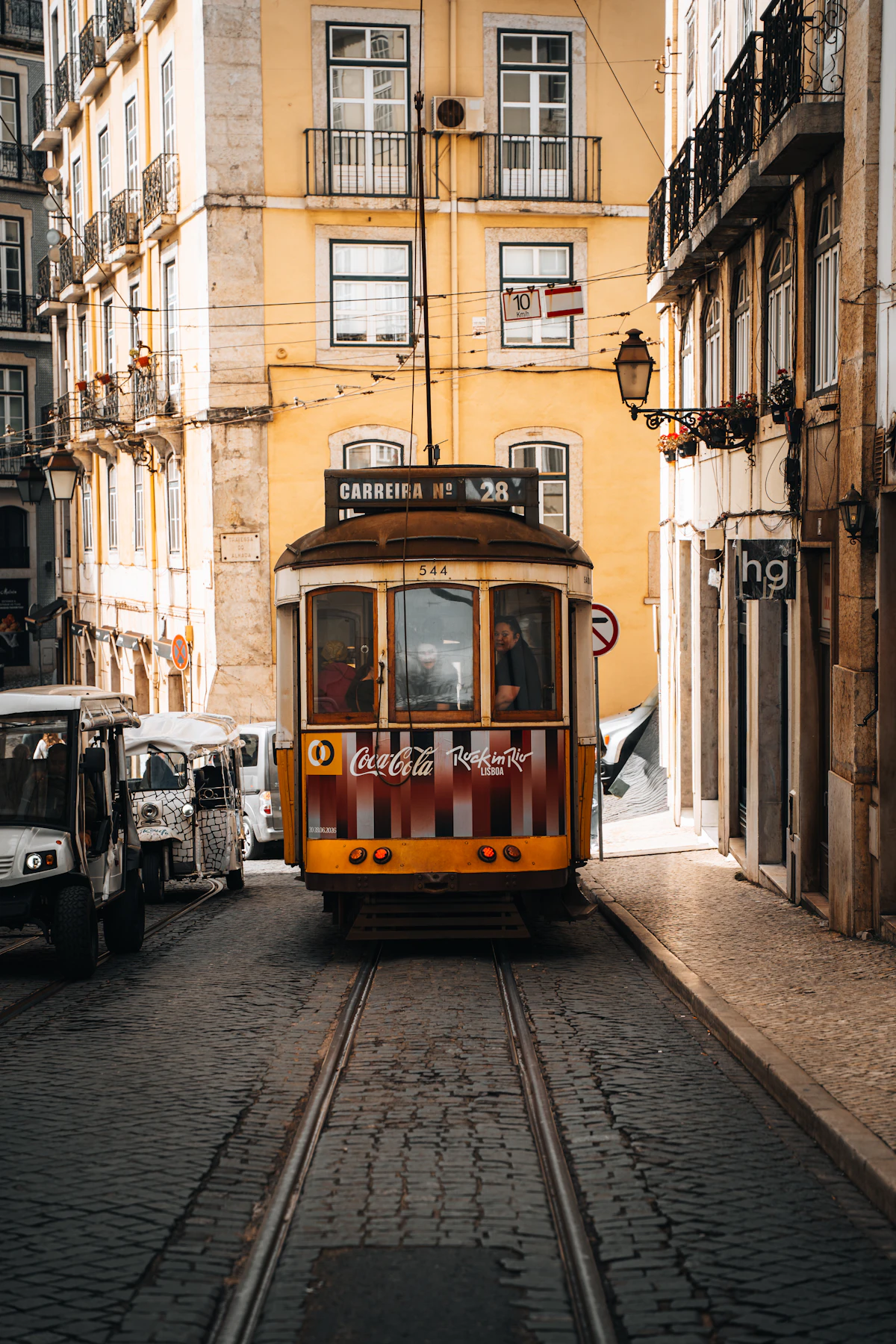
The famous Tram 28 rattles through Alfama on tracks laid in the late 1800s. The wooden tram cars are the originals, not replicas, and they squeeze through streets so tight you could reach out and touch the laundry hanging from balconies. It’s a genuine piece of living infrastructure, though tourists have largely overtaken locals on this route. If the line is too long, walking the route is just as rewarding and considerably less crowded.
São Jorge Castle
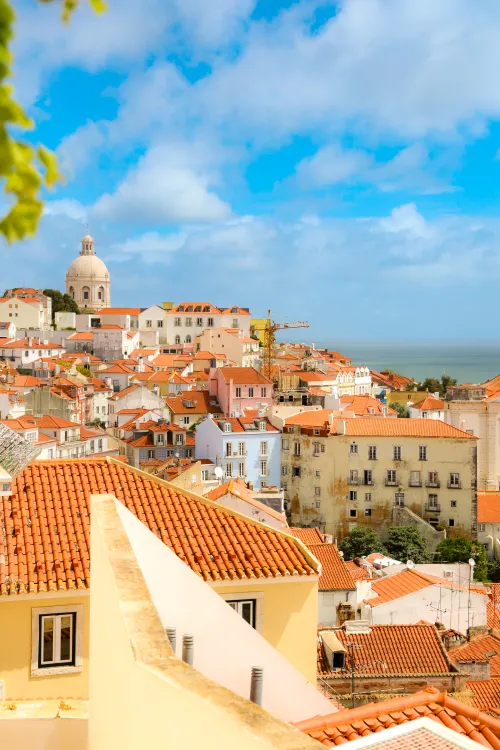
At the top of Alfama sits the Castelo de São Jorge, a Moorish fortification dating to the 11th century. The castle itself is modest compared to what you’ll see later in Spain, but the views from the ramparts are the best in Lisbon. The entire city spreads out below, terra-cotta rooftops cascading down to the river, with the April 25th Bridge (Lisbon’s answer to the Golden Gate) in the distance.
Baixa and Chiado: The Rebuilt Heart of Lisbon
The Baixa district was completely rebuilt after the 1755 earthquake under the direction of the Marquis of Pombal. The grid layout was revolutionary for its time, designed with earthquake-resistant wooden cage structures hidden inside the walls. It’s one of the earliest examples of urban seismic engineering.
Walk through the Rua Augusta arch into the Praça do Comércio, the grand waterfront square that once served as the gateway to Lisbon’s trading empire. From there, work your way uphill into Chiado, the literary and bohemian quarter. The poet Fernando Pessoa used to drink at the café A Brasileira, and his bronze statue still sits at a table outside, posing for selfies with every passerby.
Queluz Palace: The Portuguese Versailles
Just outside Lisbon, the Queluz National Palace is an 18th-century royal residence that often gets overlooked by visitors focused on Sintra. That’s a mistake. The rococo interiors are lavish without being exhausting, and the formal gardens include a canal lined with hand-painted azulejo tiles depicting harbors and ships. It’s a quieter, more intimate experience than the major Lisbon sites, and Caravan’s tour includes it as part of the Lisbon-area itinerary.
Practical Walking Tips for Lisbon
Bring shoes with good grip. Lisbon’s sidewalks are paved with calçada portuguesa, those black and white limestone tiles arranged in wave patterns. They’re beautiful and genuinely slippery when wet.
Stay hydrated. Lisbon’s hills are no joke, and the sun reflects off all that white stone and tile.
Budget more time than you think. Lisbon is a city that rewards slow movement. Ducking into a tiled entryway, pausing at a miradouro (viewpoint), or sitting in a small tasca (tavern) with a glass of vinho verde and a plate of grilled sardines can be the best part of your day.
Start Your Iberian Trip Here
Lisbon is day two of Caravan’s fully guided Spain and Portugal tour, a 14-day itinerary that continues through the Algarve, Seville, Granada, Madrid, Valencia, and Barcelona. Everything is included from $2,895: hotels, most meals, all activities, and a professional tour director who handles the logistics so you can focus on the tarts and the tram rides.
Call 1-800-CARAVAN or visit caravan.com to see the full itinerary.