Mexico Tour Blog by Caravan Tours

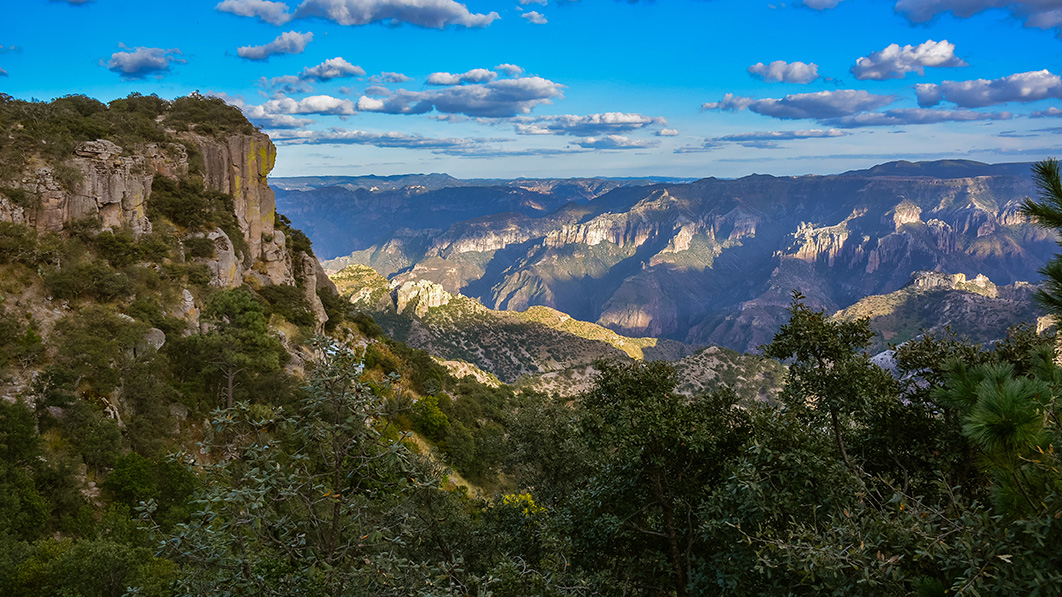
The Copper Canyon of Mexico remains one of the country’s most compelling travel destinations. The beauty of Mexico remains on full display via a train tour throughout the province of Chihuahua, offering a different pace of travel, far different than the resorts Mexico has grown a reputation for. Seek our adventure and explore the rugged beauty of the one-of-a-kind and entirely safe travel experience through the stunning Copper Canyon.

Exploring the Copper Canyon with a qualified travel group is the ultimate way of experiencing this incredibly unique and authentic adventure. Learn the fine details of travel throughout the Copper Canyon via train, when the best time to visit is, what to expect, and how you can book this trip for yourself alongside the travel experts at Caravan. 

What You Will Learn From This Article

Look at this quick summary of what you will learn from this article, offered on behalf of Caravan.

  • Day-By-Day Details Of Your Ten-Day Journey 
  • What To Pack and How To Prepare
  • Activities Available On Your Journey
  • Connecting With Authentic Indigenous Cultures (Customs and Culture)
  • Food and Allergies
  • Costs and What is Included
  • Physical Fitness, Mobility, and Accessibility

Day-By-Day Details of Your Trip Through The Copper Canyon

If you’ve never been to the Copper Canyon or to Mexico by train, here’s exactly what a 10‑day, fully‑guided tour of the Copper Canyon offered by Caravan looks like:

  • Day 1: Fly directly into Phoenix, Arizona, via PHX and join up with the Caravan team after hotel check-in. The welcome briefing begins at 8:00 p.m.
  • Day 2: Early morning departure sees you and your travel guides cross into Mexico at Nogales, with a quick stop in Santa Ana for lunch. Cross through the rugged terrains of Mexico, but also see pecan tree orchards on your way through the Sonoran Desert, to your hotel in San Carlos. Enjoy two days of rest and relaxation.
  • Day 3: Take part in a morning leisure cruise of the Sea of Cortez, where you can view marine life, including sea turtles and dolphins. Then drive to Tetakawi for viewing a sunset overlooking the Gulf of California.
  • Day 4: Visit the Guaymas Pearl Farm and then head south for exploration of the  Yaqui and Mayo lands occupied by indigenous communities. Next, the tour visits the historic and beautiful town of El Fuerte.
  • Day 5: Gently float down the El Fuerte River, catching glimpses of exotic birds and fish, and then head off to a fully-guided walking tour of the town of El Fuerte. Mingle with locals and shop for hand-crafted gifts and souvenirs. Enjoy the scenery and rest up for what comes next. 
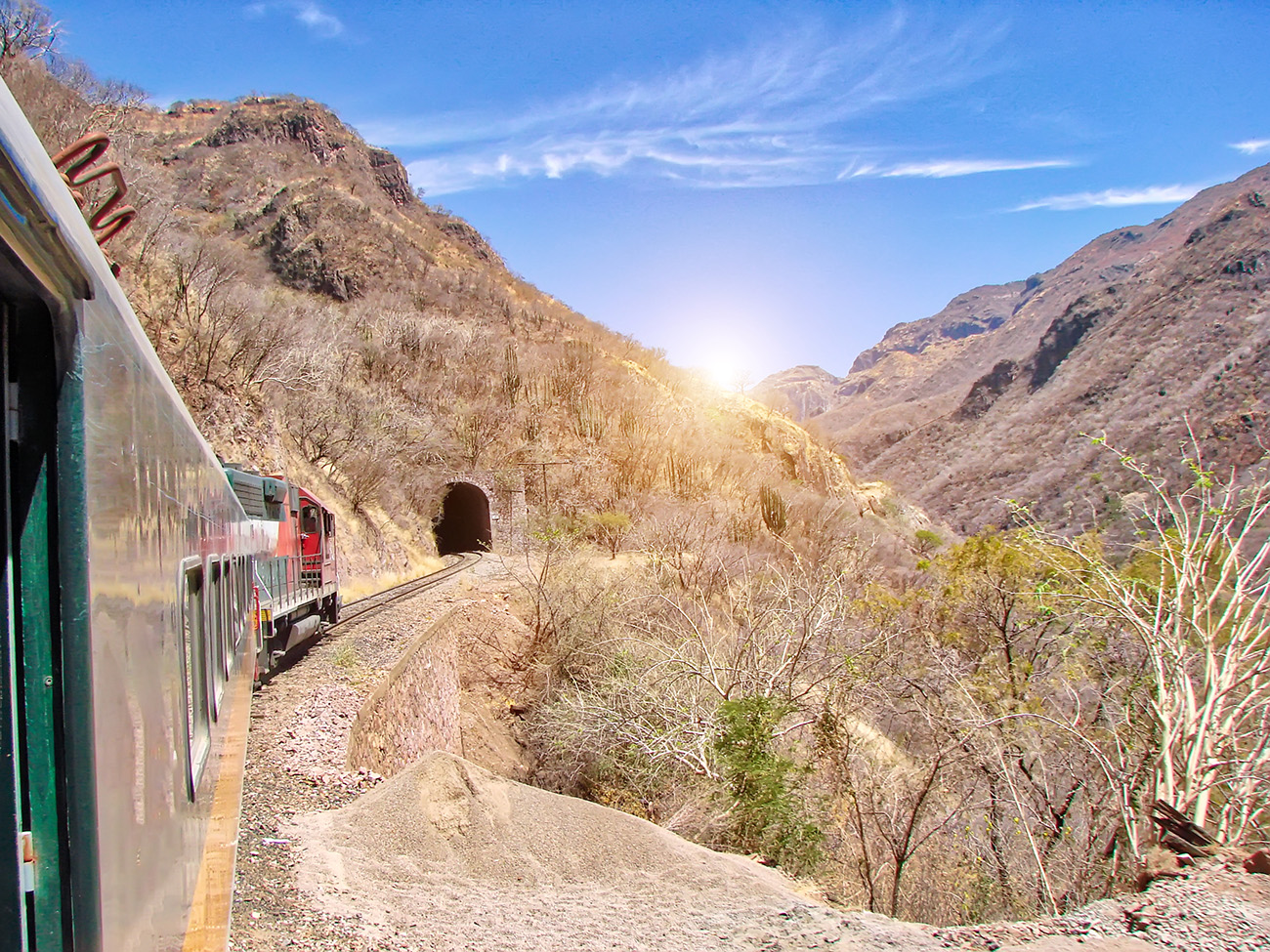
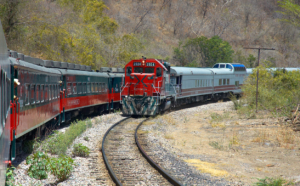
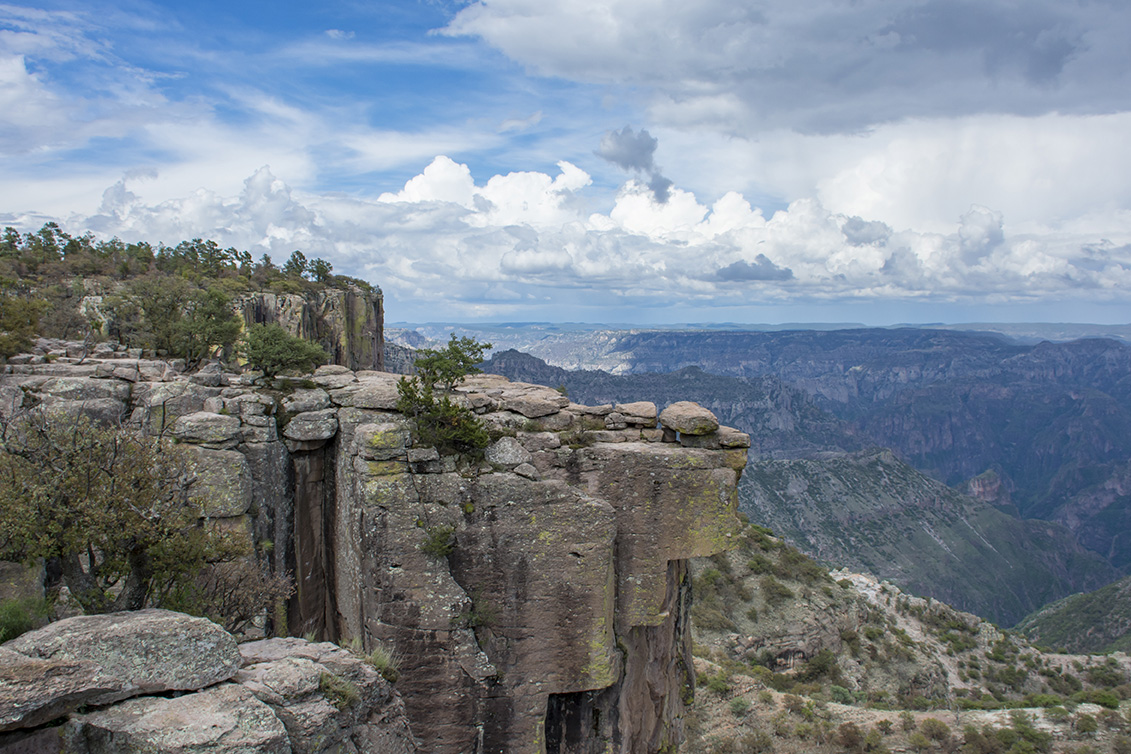
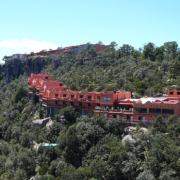
  • Day 6: Hop on an entirely private chartered train facilitated by Caravan tours. Sit back and relax while appreciating the stunning views of the Copper Canyon, taking in the rolling hills and tropical farmlands. Be amazed by the views of the Sierra Madre Occidental mountain range and view these remote lands that feel like they are untouched by man. Arrive in the beautiful town of Barrancas and enjoy two nights at a hotel directly on the rim of the Copper Canyon, with an elevation of up to 7,300 feet.
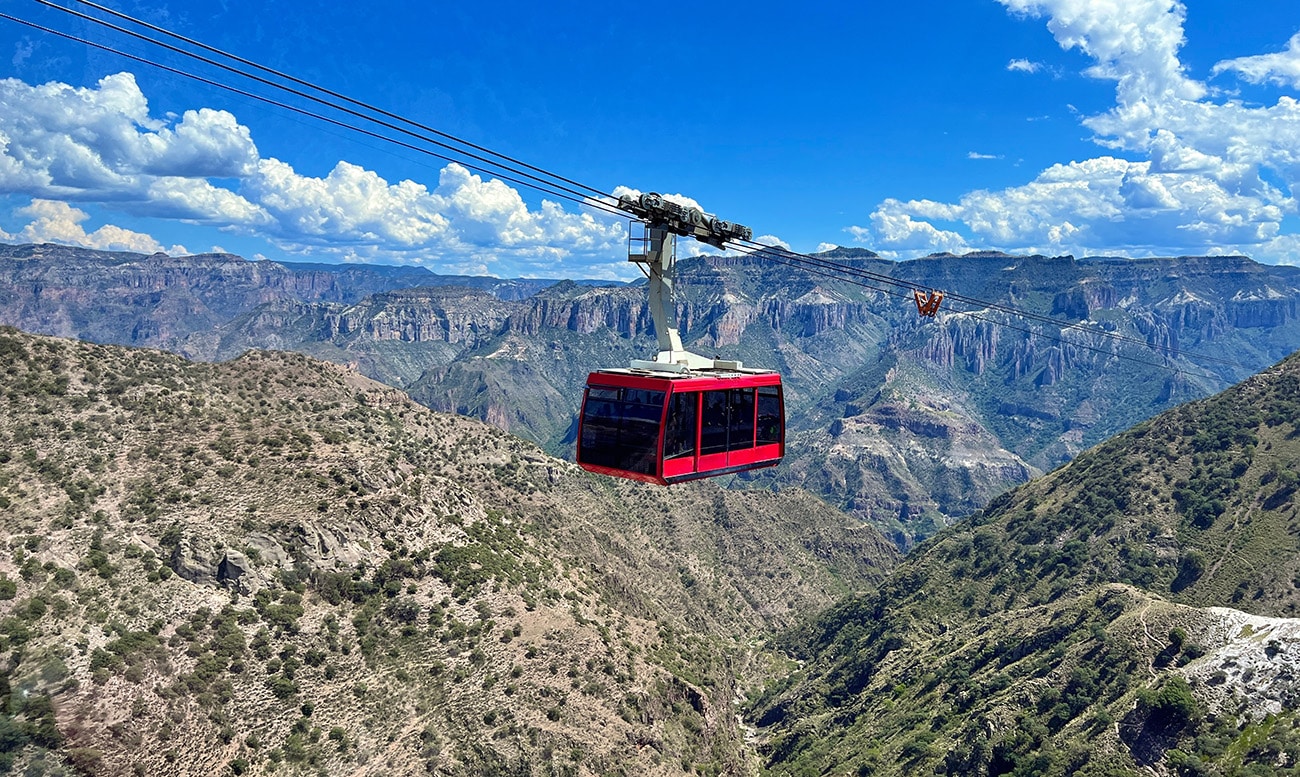
  • Day 7: Visit the Copper Canyon Adventure Park via aerial tram, enjoying the park’s available activities. Enjoy this experience at your own pace, shopping and dining entirely at your leisure.
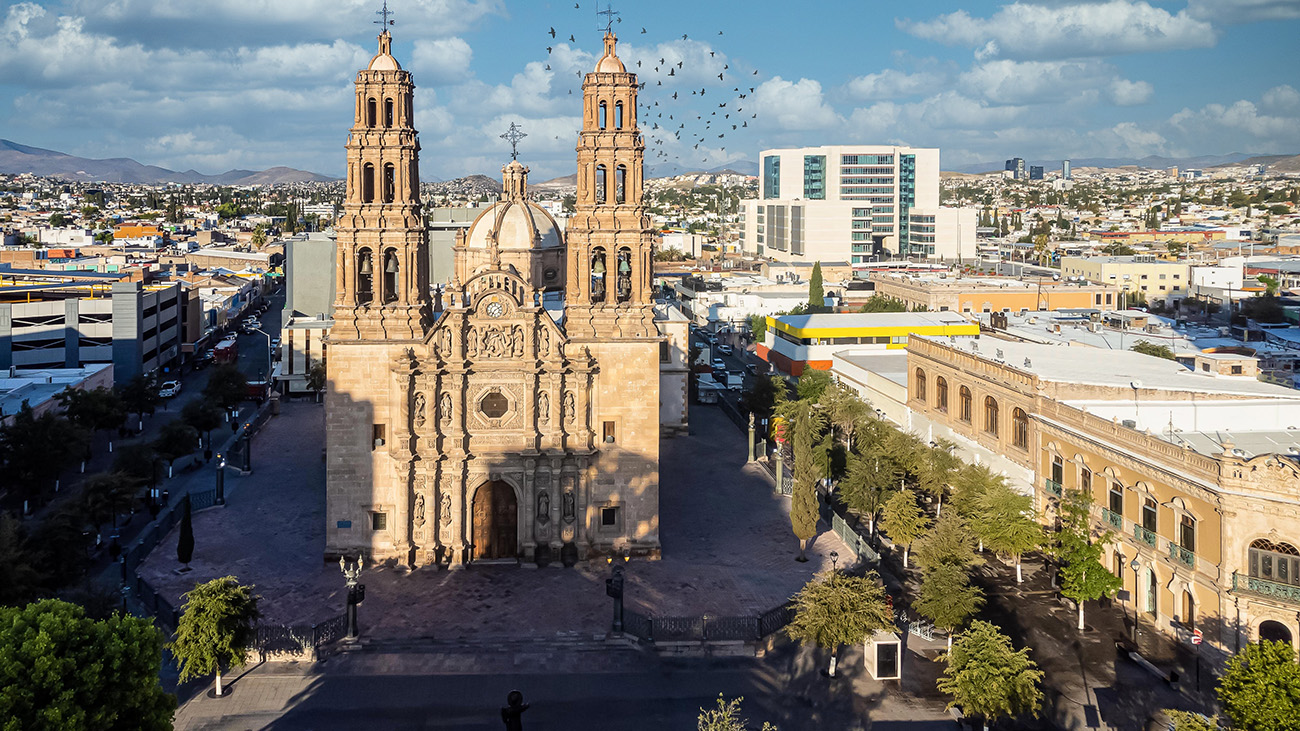
  • Day 8: Depart and drive off to the beautiful city of Chihuahua, where you can enjoy tasting the Sotol while strolling through local art galleries and pottery shops. Enjoy the town and connect with locals, enjoying local food and drink.
  • Day 9: See the sights and historic landmarks of Chihuahua by car and then depart through the Chihuahuan Desert, crossing over the Rio Grande back into the United States. Arrive at your hotel in El Paso, Texas.
  • Day 10: Now your trip comes to an end, where you are transferred by shuttle from your hotel to El Paso International Airport (ELP) in El Paso, Texas. Fly to your home destination via ELP.
Answers To Frequently Asked Questions For Caravan’s Tour of The Copper Canyon

Have questions? Use this article to learn more about the details of the Caravan tour of the Copper Canyon.

Are Caravan Tours of The Copper Canyon Safe?

Yes.

The guided nature of Caravan’s tour of the Copper Canyon is completely safe for all travelers. Our travel specialists ensure you are safe throughout every leg of the journey, allowing you to focus on the natural landscapes and the full enjoyment of your trip.

How Large is a Caravan Travel Group?

Our travel groups can range, but you can expect to be touring alongside 30-40 other travelers.

Is The Entire Tour of The Copper Canyon Private?

For your comfort and safety, our tours are fully guided and private. The train ride through the Copper Canyon includes reserved seats alongside your travel group.

What’s Included in A Caravan Tour of The Copper Canyon?

Caravan’s tour of Mexico’s Copper Canyon includes fully booked accommodation and transportation services, with a travel itinerary that includes activities. The tour is fully private, with travel professionals working to take care of the logistics while offering deep insight and knowledge on each portion of the trip. Much of the food, but not all, is covered throughout the tour. 

There are occasional meals that you will need to purchase for yourself. Speak with a travel representative from Caravan to learn more about the included food and meals.

Gifts or souvenirs are not included with the Caravan trip. Extras, including food and beverage, are not included, as well as tips.  

What is The Typical Daily Schedule For The Copper Canyon Tour?

Caravan tours often include early mornings, but there are moments in the Copper Canyon tour specifically for rest and relaxation. The daily schedule for the Copper Canyon tour from Caravan is considered quite busy and can include extended travel via both train and car. 

What Should You Pack for Caravan’s Tour of The Copper Canyon?

Consider packing the following items for your tour of the Copper Canyon:

  • Bottled water.
  • Comfortable shoes suitable for hiking.
  • A wide-brim hat.
  • Extra sunscreen.
  • Breathable clothing.
  • Bug or insect repellent.
  • Fully charged smartphone or camera.
  • A backpack, should you wish to bring an additional change of clothes or other items.

What Activities Are Available Throughout The Copper Canyon Tour?

Caravan’s 10-day tour is considered an “adventure tour,” where guests can participate in hikes, wildlife viewing, birdwatching, shopping, swimming, and much more. Visiting the Copper Canyon Adventure Park provides the opportunity for ziplining, bungee jumping, biking, aerial tram car rides, mini-golf, and nature hikes. Some activities may come at an additional cost. Consult directly with Caravan to learn more about included activities.

Who Is This Tour Best Suited For?

Caravan’s tour of the Copper Canyon is best suited for able-bodied travelers in search of adventure and exploration! This can include families, couples, solo travelers, and seniors with reasonable mobility.

How Much Does Caravan’s Tour of Copper Canyon Cost?

Costs associated with the tour are $1895 per person for a double room. Single room travel tours are $2295 per person. Prices are subject to change. Flights are not included with the purchase price, and guests will need to make arrangements for arriving at PHX and then departing from ELP airports.

Is This Tour Suitable For Those With Food Allergies?

Caravan has carefully chosen food options for travelers on this tour at every stop. Those with serious food allergies will need to speak directly with a Caravan tour specialist to learn more.

Does Caravan’s Tour Include Drinking Water?

Many portions of the tour include bottled water. Furthermore, Caravan’s motorcoach offers unlimited bottled water. We encourage guests to use bottled water for drinking or brushing their teeth. Avoid drinks with ice and avoid street vendors offering water, as Caravan can not guarantee its safety.
What Are The Scenic Highlights of The Copper Canyon Tour?

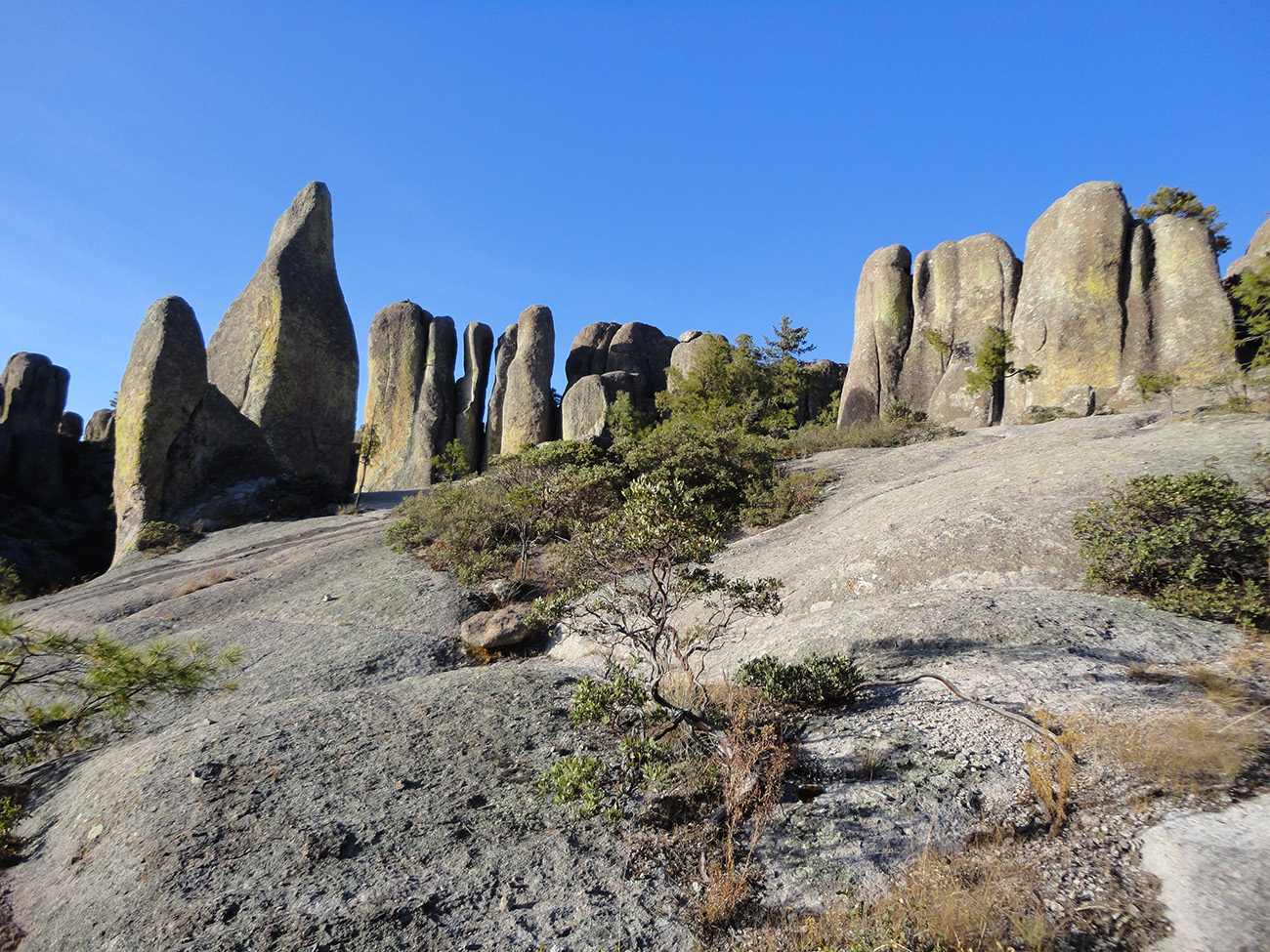
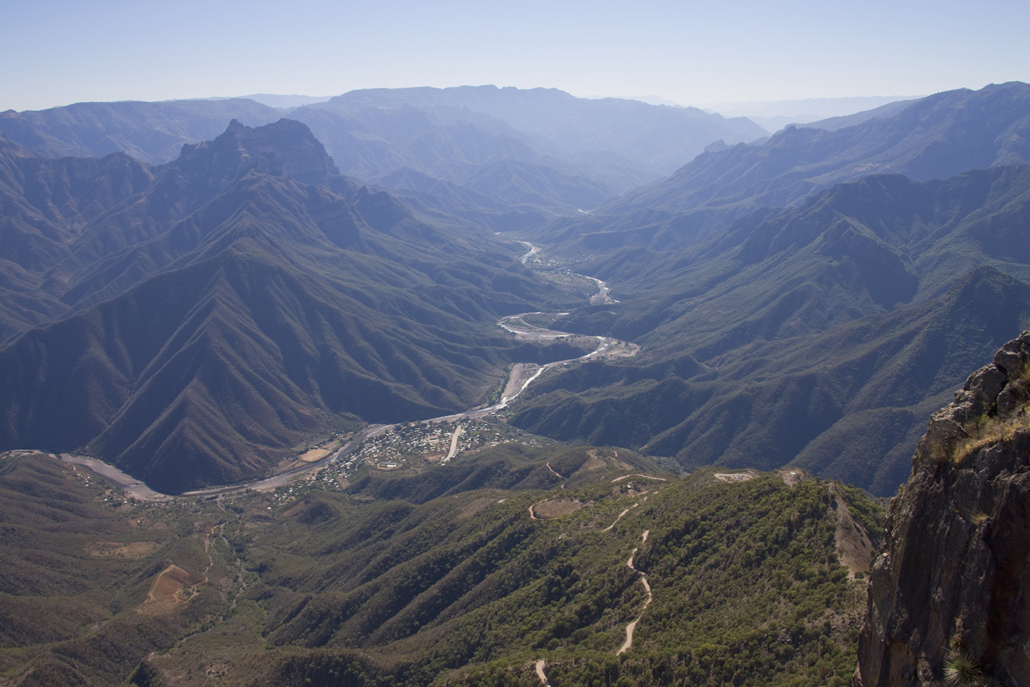
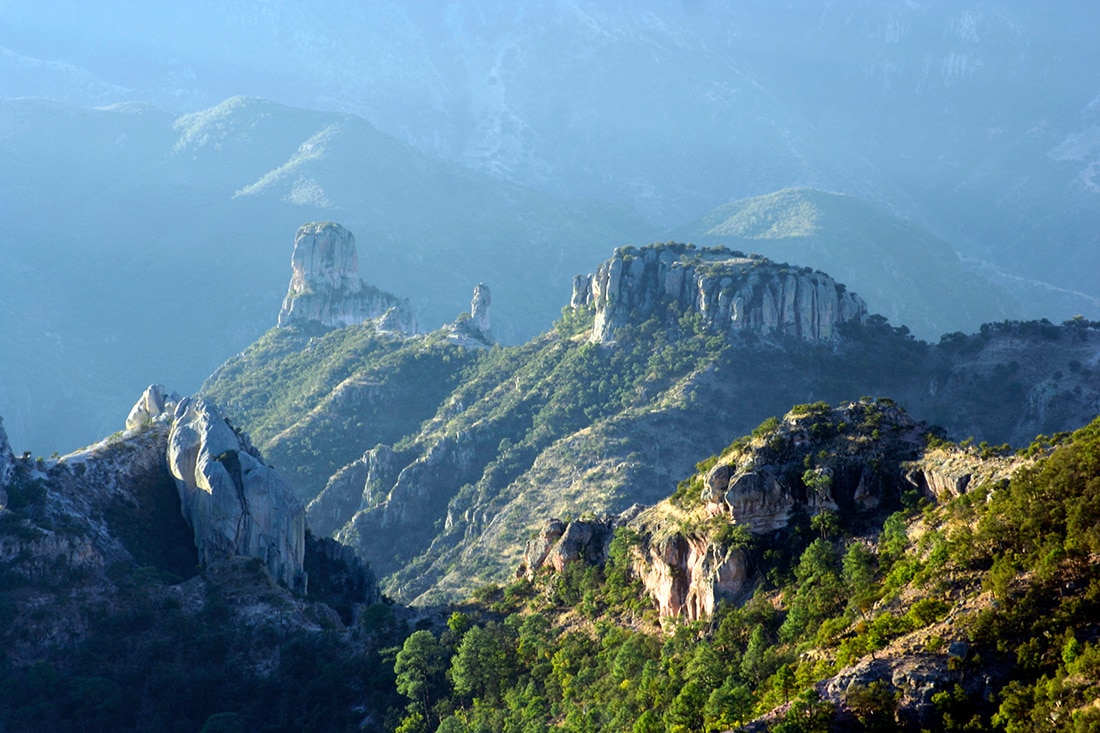
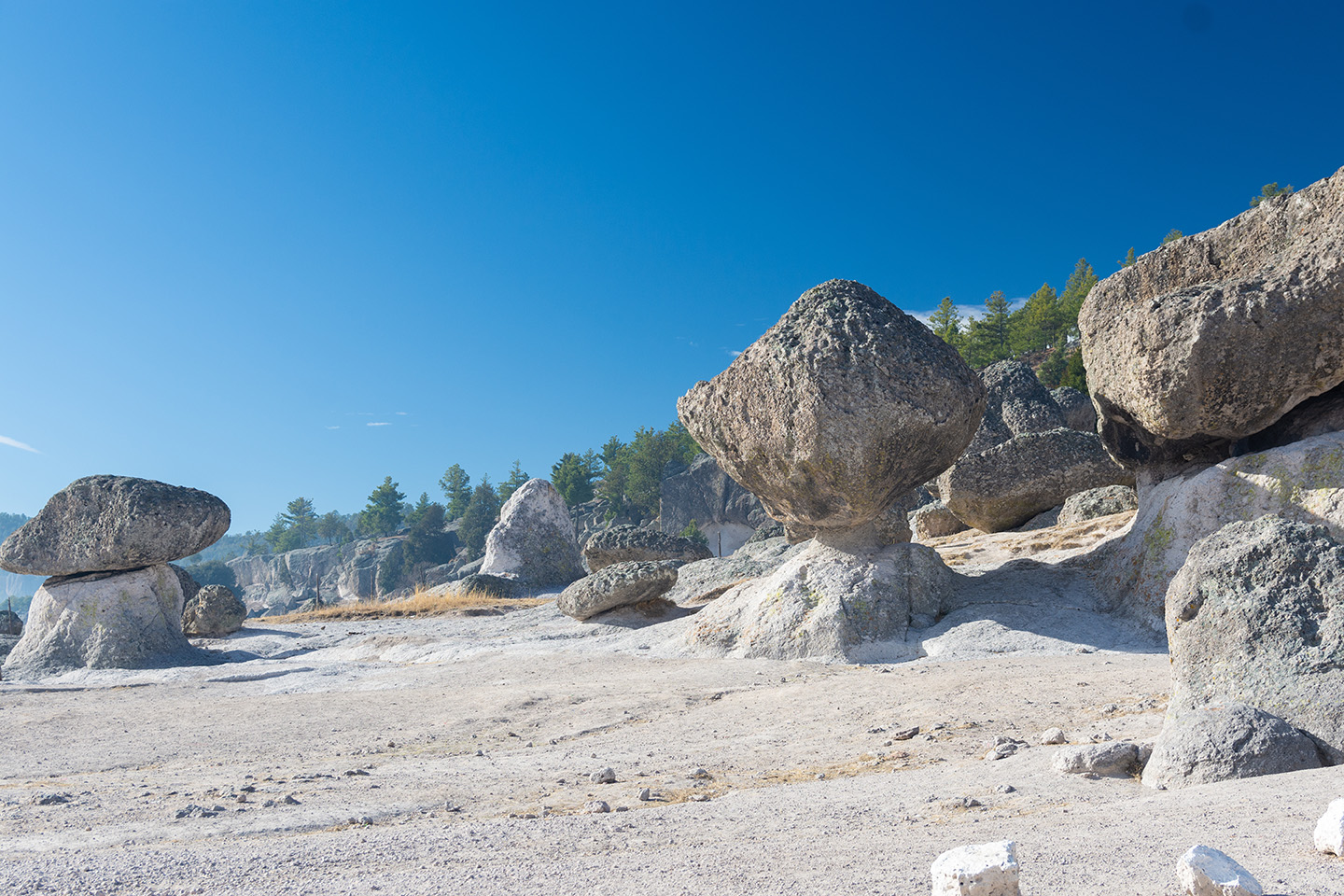
The Copper Canyon train ride offers the most stunning views of natural landscapes, including the canyons of Divisadero, the rock formations found throughout the Valley of Monks, the natural wonders of the Cusarare Falls, and stunning views of the Sierra Madre mountain range.

How To Prepare For a Tour of The Copper Canyon?

Preparation for the Copper Canyon tour from Caravan requires travelers to pack for adventure, but also consider their physical abilities. There are plenty of opportunities for adventure, including boat rides and nature hikes, and some activities may not be suitable for everyone. General mobility and the ability to partake in nature hikes are recommended. Consider learning basic Spanish phrases before your arrival to connect with locals and make the most of your trip. 

What Cultural Customs Should Guests Know Before Their Trip?

There are opportunities to visit indigenous tribes throughout the Copper Canyon trip. Remain respectful and polite through all interactions. Look to support these indigenous cultures by purchasing their crafts or other handmade souvenirs.

When Is The Best Time To Take Part in The Copper Canyon Tour?

Let’s break down the best times to take part in Caravan’s tour of The Copper Canyon based on your own unique travel preferences.

Winter Spring Summer Fall
Weather Cooler temperatures, especially at higher altitudes. Cool and mild temps and less rainy. Hot and humid with sporadic rainfall. Less rain with comfortable temperatures
Crowds Fewer tourists and less busy than in other seasons. Increase in tourists ramping up before summer Busy travel season with an increase in crowds. The busiest travel season with the most tourists

Are There Altitude Sickness Concerns For Travelers of The Copper Canyon?

Sometimes, yes. The mountain ranges of the Copper Canyon take travelers through many different altitudes, including anywhere from 300 feet on the canyon floors, all the way to 7,900 feet. The fluctuations in altitudes may not be suitable for every traveler. Speak to your doctor prior to booking your trip if you are vulnerable to altitude sickness.

Is The Entire Caravan Tour To The Copper Canon Fully-Booked?

Spaces for these kinds of tours tend to fill up quickly, especially if you are planning on completing the tour during the Summer or Fall months. Book in advance to ensure the best possible travel arrangements.

On‑The‑Ground Travel Tips From Caravan

Our travel specialists remain dedicated to offering the most exciting tour of the Copper Canyon available on the market. Our on-the-ground travel specialists encourage you to:

  • Learn basic Spanish to help communicate with locals.
  • Bring a camera to capture the incredibly scenic nature of the many stops.
  • Stay hydrated throughout the entire trip.
  • Get a full night’s rest every night during the trip itself.
  • Remain ready for adventure and a busy schedule!
  • Learn directly from guides who maintain deep knowledge of the tour and the beautiful country of Mexico.

Why Caravan Remains Your Top Provider of Guided Travel Experiences

Caravan maintains an incredibly long history of providing private and guided tours throughout the world! Our deep knowledge and travel expertise ensure that you experience the very best of Mexico’s Copper Canyon, with carefully curated stops along the way. We handle the details of logistics and accommodations, ensuring safe travel throughout Mexico. Never worry about a detail, but instead focus on the full enjoyment of your trip.

Private travel groups are likely the safest way of experiencing the Copper Canyon. Travel with certainty knowing that Caravan is here to guide you through some of the most beautiful landscapes of Mexico.

Ready to book? Reach out now to speak with a Caravan travel agent and inquire about available upcoming tours. Book today by calling 1 (312)-321-9800, or 1-800-CARAVAN to speak with one of our representatives. Don’t delay, as spaces are limited!

We are as excited as you are about exploring the beauty of Mexico and the Copper Canyon!
The best time to visit Mexico’s Barrancas del Cobre is between November and April for its cooler temperatures, reduced rain, and less busy travel season.

The Barrancas Del Cobre, or Mexico’s Copper Canyon, stands as one of the most stunning natural landscapes in all of North America. It remains a must-visit destination for any lover of the great outdoors, attracting thousands of visitors from across the world each year. Not only does it offer picturesque views of Mexico’s incredible natural landscapes, but it also remains a hub of outdoor adventure perfect for adventure travelers and outdoor enthusiasts alike.

Known as one of the most vast and expansive canyon systems in the world, these natural wonders are available for viewing on Mexico’s train system, known as El Chepe. The many elaborate canyons make up what is known as the country’s Sierra Madre Occidental, offering some of the most incredible natural landscape views available anywhere in North America.

Learn more about visiting this incredible travel destination alongside the travel experts from Caravan.

What You Can Learn From This Article

Here is a quick summary of the details you will learn from this article:

  • Learn The Details of The Barrancas Del Cobre
  • Timing Your Trip For The Best Experience
  • Temperatures and Rainfall Considerations
  • Details Regarding Riding The El Chepe

Learn About All That The Barrancas Del Cobre Has To Offer

Find answers to common questions regarding travel throughout The Barrancas Del Cobre.

What Are the Barrancas Del Cobre?

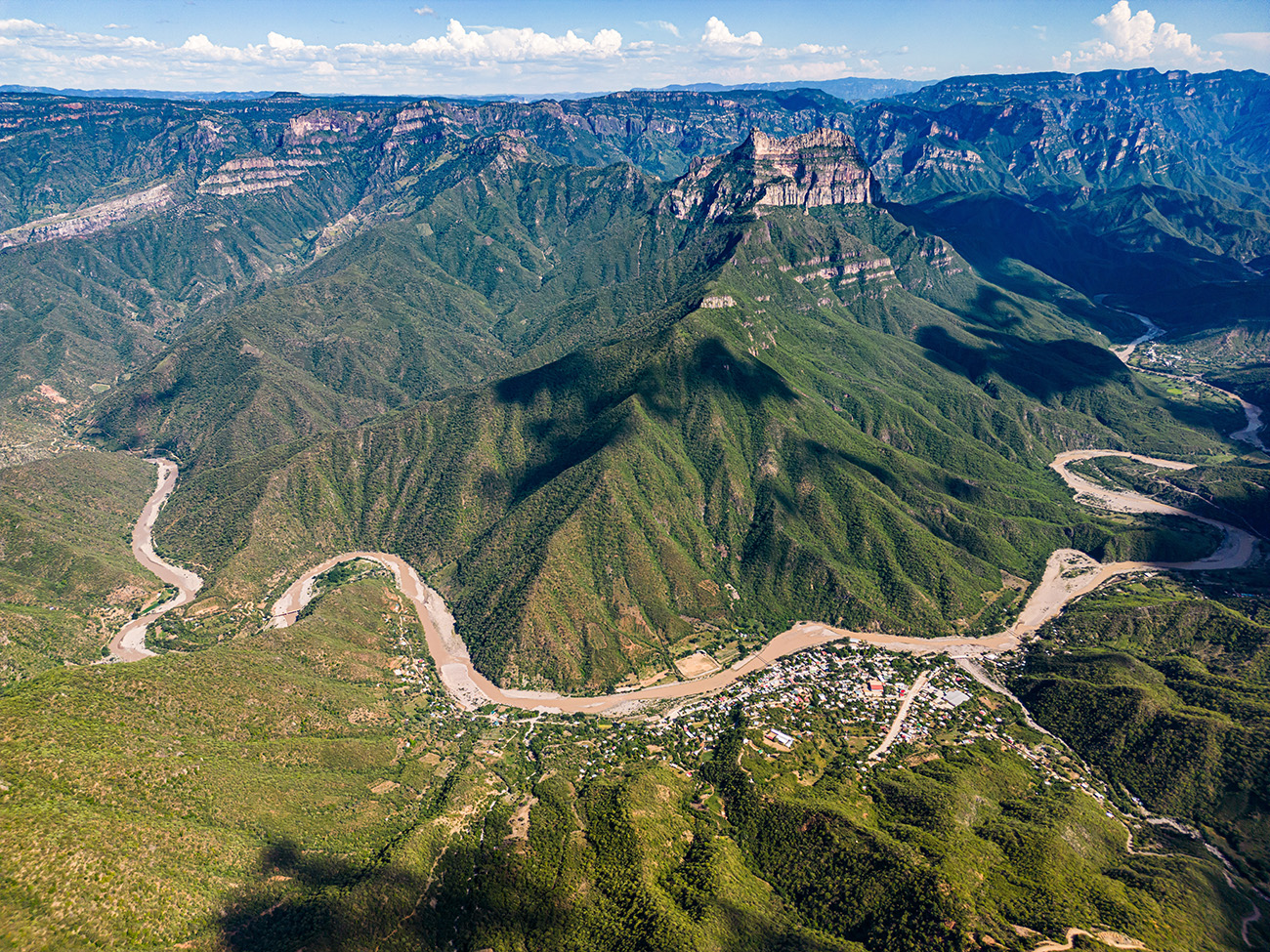
Sometimes referred to generally as the Copper Canyon, the Barrancas del Cobre is an elaborate system of canyons stretching across Mexico’s Sierra Madre Occidental, extending through Chihuahua on the Northwestern coast of Mexico. It’s 65,000 square kilometers of landscape that remains home to endless wildlife, including some of the most picturesque natural landscapes found anywhere in the world. 

These rolling hills are also home to the Indigenous Tarahumara people, a community well known for their running abilities, living closely in harmony with nature in the cool and temperate mountain regions. sometimes migrating deep into the canyon system during the winter months. Travel groups often facilitate trips through the canyon region that include stops that allow visitors to connect directly with these indigenous communities. Many of the landscapes offer a golden and green copper hue, especially at sunset, making it a remarkable destination for any appreciator of the great outdoors.

The Ferrocarril Chihuahua al Pacífico, or the “ChePe,” remains one of the most unique ways of exploring the canyon system, running directly through Chihuahua and Los Mochis. The historic and charming train ride sees visitors navigate through elaborate canyon systems, appreciating the views in comfort, all while enjoying some food and drink.

What Is The Best Time of Year To Explore Mexico’s Barrancas Del Cobre?

The fall months, just after the conclusion of Mexico’s rainy season, offer some of the most lush landscapes where wildlife is known to be active, along with cooler and more comfortable daytime nature experiences. 

Birdwatchers and those looking to view wildlife should consider booking alongside a travel group that can provide multiple stops, including the opportunity for nature hikes. Many wildlife hikes require a guide, helping you visit areas known for experiencing nature. The area remains known for its different microclimates, often influenced by seasonal rains and high altitudes.

This is not to say that visiting this area year-round isn’t a great idea. The Ultra Maratón Caballo Blanco remains an incredibly unique cultural festival held in Urique, Chihuahua, during late February and early March. What was once a cultural tradition of the indigenous Tarahumara people has now grown into an ultramarathon hosting runners from across the world.

How Do Temperatures and Rainfall Vary by Season in Barrancas Del Cobre?

The Barrancas del Cobre remains a unique travel destination for its variety of different climates, dependent on the elevation, and the travel season.

Temperatures Rainfall
Winter Cold and dry season, where some higher altitudes can even experience frost. Generally reduced rainfall in comparison to other seasons. Less rain means clearer skies.
Spring Hot and dry temperatures throughout the canyons.  Reduced rain and clear skies.
Summer Hot and humid temperatures. Rainy season with cloudy skies and reduced visibility.
Fall Reduced rain and comfortably warm. Reduced cloud coverage with lush environments after the rainy season.

What Are The Pros and Cons of Shoulder vs High Season for Train Travel?

Shoulder Season: The canyon landscapes during shoulder seasons, including late Fall and early Spring, are generally less busy, but with cool temperatures and improved visibility for viewing during your train ride throughout the Barrancas Del Cobre.

High Season: High season, just after Mexico’s rainy Summer season, offers vibrant and lush natural landscapes, including waterfalls that are fully flowing. The area remains hot and dry during these seasons, known for a busier tourist season with larger crowds at popular tourist destinations.

How Does Daylight Impact The Views of The Barrancas Del Cobre?

Barrancas Del Cobre offers different viewing experiences depending on available sunshine.:

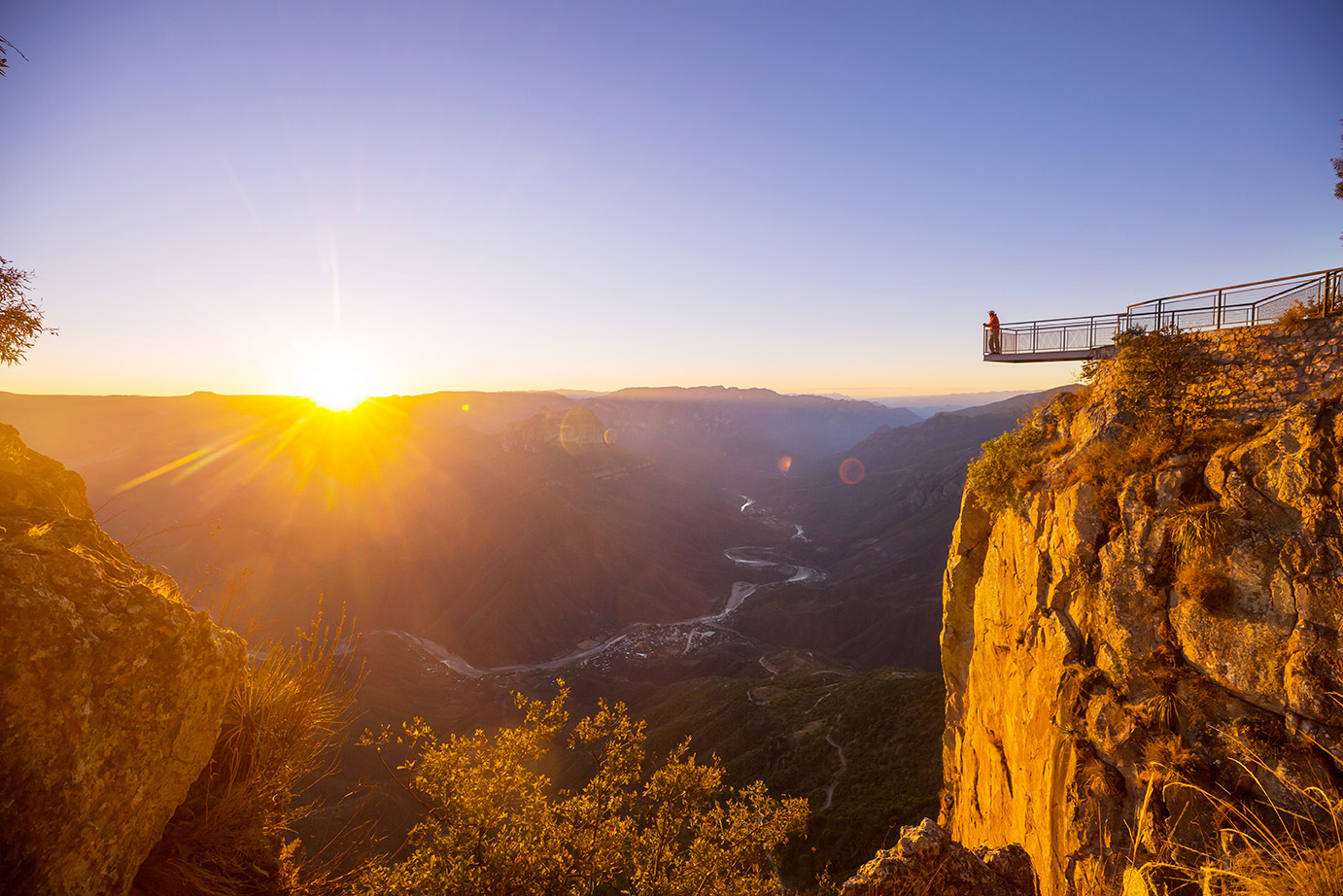
  • Early Mornings: Expect stunning early morning sunrises where beams of sunlight rush across the natural landscapes. Experience some of the most magnificent glowing sunrises in picturesque canyon landscapes.
  • Daytime Viewings: As the natural sunshine increases throughout the day, many of the colors of the canyons continue to brighten, improving viewings.
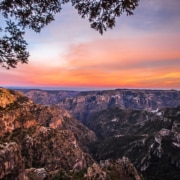
  • Afternoon and Sundown: As the sun sets, expect unique color pallets painted across canyon skies that look like they are out of a postcard. Some of the most incredible landscape colors can be viewed as Mexico’s sun paints the skies with powerful colors.

How Long Is The El Chepe Train Ride?

The full train ride is known to run over eight hours, but there are options for shorter viewings.

Is The El Chepe Train Ride Safe?

Yes.

Travelers concerned about safety should consider booking with a private travel group such as Caravan. The group tour options of the Copper Canyon can facilitate every detail of travel arrangements, ensuring your safety through every step of the journey. Further, private travel groups can help you learn more about the destination itself, where guides can provide insight and education regarding every detail of the tour.

What is The El Chepe Train Ride Experience Like? 

Experiencing the historic rail system throughout this great part of Mexico sees travelers traverse through many different tunnels and bridges, slinking directly through the canyon landscapes. The train offers panoramic window views, reserved seats, and access to a fully-stocked bar and terrace for exceptional viewings. The observation car is a unique feature that offers some of the most stunning views found anywhere throughout the train. Food and drink are available, sometimes included in the price. 

Is The El Chepe Accessible?

The El Chepe train ride is known to have limited accessibility and could prove challenging for those in wheelchairs. Guests who require assistance are encouraged to collaborate directly with a travel group that maintains knowledge of each station and car, helping those with additional needs enjoy the experience.

Is The El Chepe Train Ride Good For Families?

Yes. 

The El Chepe welcomes families and group travelers, including many different age groups, such as children and seniors.

Is The El Chepe Worth Visiting Any Time of Year?

Yes.

The microclimates experienced throughout Mexico’s Barrancas Del Cobre can offer varying degrees of visibility, but exceptional views all year long. The Copper Canyon adventure park is known to be open all year long, offering a variety of outdoor activities that could change depending on the weather. Consider booking a trip that includes stops throughout the area.

Have Caravan Lead The Way

Private group travel offerings made available from Caravan ensure you can focus on the enjoyment of your trip, rather than planning and booking train rides or other accommodations. Leave the complexities of booking such a trip to those who specialize in these matters, ensuring your safe travel throughout the beautiful country of Mexico.

Caravan’s ten-day tour of the Copper Canyon includes many stops along the way, helping you connect with indigenous cultures, experience vast natural landscapes, and all while facilitating outdoor adventure activities. Here at Caravan, we work tirelessly to ensure your full enjoyment throughout the  Barrancas Del Cobre. Learn from those who have visited these destinations before and experience the incredible natural landscapes of these one-of-a-kind travel destinations.

Ready to book? Let’s get started!

Caravan travel agents are standing by. Many of our private tours book up quickly, so reach out to us today to learn more. Call us directly at 1 (312)-321-9800, or 1-800-CARAVAN, and inquire about available tour groups in Mexico.

Dive into this packing list to help you plan for and pack for your next trip to Mexico’s stunning Canyon Del Cobre.

Multi-day adventures into the rugged yet beautiful landscapes found in Chihuahua, Mexico, will call for visitors to carefully plan ahead for what comes next. While the country of Mexico has gained a reputation in places like Cancun for easy-going resort-style vacations, exploring the great Copper Canyon of Mexico requires you to get off your feet and head off towards adventure.

Explore the absolutely stunning scenery of Mexico’s northwest, where deep canyon systems are sites of adventure and exploration. Get up close and personal with the wonders of Mexico’s natural landscapes, where breathtaking natural sceneries seem endless, and spectacular wildlife awaits you. 

Are you ready to get started? Let the planning begin!

What You Will Learn From This Article

  • Take advantage of a dedicated packing list.
  • Finding the correct kind of shoe for travel.
  • Considering altitude and motion sickness.
  • On-the-ground travel tips from the Caravan team.
  • Photography and tips for carrying cash.
  • Basic safety for group or private travel offerings.

Plan ahead for your adventure and enjoy the natural landscapes of Mexico!

Insights Including On-The-Ground Travel Tips From Caravan

Leverage the helpful travel insight from the experts at Caravan, your first choice for private group travel arrangements, offering exploration across the world! Find answers to common questions regarding packing and planning, but also checklists, helping you prepare for every detail of your trip.

Copper Canyon Packing Checklist

Use this checklist for planning your travel adventure to the heart of Mexico’s Canyon Del Cobre.

  • Comfortable clothing suitable for outdoor adventure.
    • Shorts.
    • Shirts, including long-sleeved breathable shirts.
    • Undergarments, including multiple pairs of socks and underwear.
    • Comfortable shoes suitable for walking or hiking.
    • Activewear that is comfortable for outdoor walking.
    • Light rainjacket.
    • Sunglasses.
    • A hat capable of protecting you from the sun.
    • Belt bag or fanny pack.
  • Travel Essentials and Other Comforts
    • Smartphone
    • Camera.
    • Passports.
    • Cash, either pesos or USD.
    • Emergency contact information.
    • Travel documents.
    • Identification.
    • Medications, including prescribed medications.
    • Power bank.
    • Insect repellent.
    • Sunscreen.
    • A small first aid kit that includes bandages.

Pack light for Caravan tours as you will be required to take your belongings with you. A hefty travel backpack or hiking backpack is your best option.

Considering How Altitude Could Impact Your Copper Canyon Adventure

Mexico’s Copper Canyon is a unique travel experience, as trips throughout the rolling landscapes see travelers experience various microclimates and different altitudes. Depending on the time of year and where you are throughout the trip, you could experience different weather conditions and altitudes. You should pack for both hot and cool climates, including the possibility of rain.

Altitudes can include sea level, found along Mexico’s Pacific coast, but also as high as 8,000 feet at some of the canyon’s rims. Towns in the Copper Canyon, including Divisadero and Creel, sit above 7,300 feet above sea level. It is possible to experience altitude sickness during the trip.

Signs of altitude sickness can include: 

  • Headaches.
  • Dizziness or nausea.
  • Reduced appetite.
  • General fatigue.
  • Challenges sleeping.
  • Shortness of breath.

Use these tips for managing altitude sickness as it arises:

  • Stay hydrated.
  • Eat whole foods, including fruit and vegetables.
  • Get extra rest.
  • Take altitude medication.

Is Motion Sinklessness Possible During Travel Across The Copper Canyon?

Yes.

Motion sickness is an unfortunate part of travel that can occur. Depending on the individual traveler, you may experience motion sickness throughout your trip, either on a bus, boat ride, or even on the famous El Chepe Train Ride.

Here is how you can plan for the possibility of motion sickness:

  • Sit at the front of any bus or train car to help reduce motion sickness before it happens.
  • Stay hydrated throughout the journey.
  • Avoid reading or using screens on tablets or smartphones.
  • Get extra rest and quietly meditate on bus or train rides.
  • Bring along motion sickness medication.
  • Sip on ginger tea or eat healthy snacks.
  • Avoid smoking tobacco or ingesting alcohol.

Group Travel Offerings of Canyon Del Cobre From Caravan

Caravan continues to facilitate group travel offerings for adventures throughout Mexico’s stunning Copper Canyon. The ten-day tour has travelers on their feet exploring the beauty that this destination has to offer, including travel throughout Canyon landscapes, browsing through charming cobblestone streets, and hopping between buses, trains, boats, and automobiles.

The full tour of the Copper Canyon offered by Caravan requires travelers to navigate different terrains, including outdoor hiking trails, steps, and sometimes tight spaces. Choosing the right footwear for Caravan’s tour is essential, ensuring you are comfortable, dry, and able to keep up with the many activities available to you.

Here are some considerations for choosing the right footwear, offered by those who are familiar with this specific tour offered by Caravan:

  • Choose shoes with a comfortable fit, with just enough wiggle room in the toes.
  • Choose shoes with moderate or deep lugs, helping you achieve better grip but also avoid slips.
  • Should you have insoles, consider placing your insoles within your chosen hiking shoes.
  • Pick shoes that are water-resistant but are also breathable for hot and humid weather.
  • New shoes aren’t always the best shoes, as some new shoes will need to be broken in before extensive hikes or outdoor adventures. 
  • Should you purchase new shoes for your Caravan tour, consider using them for a full week before you depart.

Cash Versus Cards During Your Adventure Through The Copper Canyon

Look to bring along a balance of both cash and traditional debit and credit cards. Many merchants in small towns across Mexico do not accept major credit cards, and having both credit cards and American dollars can ensure you have the funds available to purchase whatever you wish. Pesos or American dollars are both suitable for shopping in Mexico.

Taking Photographs During Train Travel in The Copper Canyon

The El Chepe Train is a famous attraction that takes visitors through the rolling hills and deep canyons found here in the Canyon Del Cobre. The train ride itself offers panoramic views of the area’s beautiful landscape, viewable from the train’s unique observation cart.

Some of the views from the El Chepe are stunning. Many modern smartphones are capable of capturing the beauty of the area’s landscapes, but some travelers may prefer the use of different cameras to navigate the possibilities of glare. Small professional-grade cameras are helpful for these occasions, but not necessary.

Should you decide to bring a stand-alone camera, ensure it is protected with its own carrying case. Enjoy the experience and take as many photographs as you desire! 

Basic Safety and Health Tips For Enjoying A Trip Alongside Caravan

Private group travel arrangements from Caravan are powerful ways of experiencing exotic travel destinations, including Mexico’s Copper Canyon. You never have to worry about getting in the wrong taxi, purchasing food from a tourist trap restaurant, or getting lost. We handle the details of transportation, food, and other logistics, ensuring that you are never guided down the wrong path. 

Our knowledgeable and trusted guides can help you remain safe throughout every leg of the tour, ensuring you get to focus on the enjoyment of your trip, rather than worrying about travel mishaps.

Basic tips for exceptional safety and the full enjoyment of your Caravan tour include:

  • Never flash large amounts of cash in public or display expensive watches or jewellery.
  • Bring photocopies of your passport and other important travel documents, including emergency contact details.
  • Keep your valuables on you at all times, while packing light enough to ensure that you can easily carry all your belongings at one time.
  • For any Caravan meet up or checkpoint, arrive five minutes early.
  • Never walk the streets alone at night.
  • For ATM withdrawals, consult directly with your travel guide before visiting an ATM.
  • Stay together as a group and never look lost.
  • Maintain copies of your Caravan travel information, including the full itinerary.
  • Consult directly with your travel group lead if you have any concerns about food allergies.
  • Unsure about anything? Look to the travel specialists at Caravan for any kind of guidance during your trip
  • Use bottled water for drinking and brushing your teeth as directed by the team at Caravan.

Let The Adventure Begin! Book Early For The Best Possible Experience

One of the best travel tips Caravan can offer is to book your trip well in advance! Spaces can fill up quickly, and Caravan looks to maintain comfortable travel group sizes to ensure the best possible experience for everyone. Reach out to Caravan today to learn more about the incredible offerings for exploration of Mexico’s Copper Canyon.

Never worry about a detail and instead focus on the natural landscapes and the amazing outdoor travel experiences available at this destination. The scenery here in the Copper Canyon is awe-inspiring, perfect for able-bodied travelers, including solo travelers, couples, and even families.

Are you ready to book?

Explore the guided tour of the Copper Canyon offered by Caravan and learn more about how you can explore Mexico with complete peace of mind. Book today by calling 1 (312)-321-9800, or 1-800-CARAVAN and speak directly with one of our representatives. 

Our tour guides bring the same passion for travel as you do! Take on the great outdoors and travel alongside your trusted travel provider, Caravan.

Beyond the incredible local culture, history, and stunning landscapes, Copper Canyon’s food and drink remain plentiful, where local tradition meets authentic Mexican flavors. 

In fact, the best way to experience a new culture is through food! That is why there is so much food to taste and experience throughout Caravan tours. This is why we have curated a long list of trusted food options and restaurants to ensure you get a taste of the local culture and cuisine during your trip.

Food, culture, and drink are all on full display throughout Caravan’s tour of the Copper Canyon. Learn about some of the best dishes, including the culture and history that you can experience while adventuring through Mexico’s Copper Canyon alongside Caravan!

What You Will Learn From This Article

  • Details about the rich culture and history of the Rarámuri people who live in the Copper Canyon.
  • Notes about the food, drink, and handicrafts of the Rarámuri people.
  • The types of foods you can expect on a Caravan tour of the Copper Canyon.
  • Cultural intersections of indigenous people and the El Chepe.
  • Why group travel in the Copper Canyon is safe and enjoyable.

Local Culture of The Rarámuri People

Deep within the heart of Mexico’s Copper Canyon lives the local Rarámuri people. These people have called the Copper Canyon their home for centuries, living directly off the land, but also navigating the many different climates and terrains known throughout the Copper Canyon. They are dedicated runners, often welcoming guests to partake in endurance runs right through the center of the canyon system. 

Throughout the hills, these people have carefully maintained their way of life, including their close ties with nature, remaining free from the influence of modern society. Visitors who book with Caravan have the unique opportunity to connect directly with these people, sharing in their traditional values, and even sharing food and drink with them. 

It is truly incredible that these people have remained resilient to climate change, but also the challenging and ever-shifting climates known throughout the Copper Canyon. Further, deforestation and over-farming threaten these landscapes that have been carefully preserved by the Rarámuri people for hundreds of years.

History of the Rarámuri People

Originally pushed deep into Mexico’s Copper Canyon due to Spanish colonial efforts, these people have called this rugged landscape their home for hundreds of years, preserving cultural traditions and living in harmony with nature. These canyons have provided protection from Spanish colonization, but have still used these lands as a means of staying far from modern society.

Their natural athletic abilities have afforded them incredible running skills, suitable for endurance races but also hunting. Today, they maintain one-of-a-kind spiritual values blending elements of their indigenous heritage and influences from Catholicism.

Even after hundreds of years of Spanish and French conquest, they still remain resilient to influence, ensuring their way of life is preserved through their food, culture, and religious practices.

Food of The Rarámuri People

Many of the basics of the Rarámuri diet include fresh corn (including tortillas) and vegetables, as well as beans, squash, and greens. Their sustainable farming practices and foraging skills also see their diet include fruit, such as peaches and apples, but also wild game meat. They have been known to grow corn and pumpkin, but also make a variety of stews infused with locally grown beans and vegetables.

Iskiate is a core dish of their diet, which includes chia seeds soaked in water, often paired with lime or honey, making for a delicious and energizing dish perfect for any time of day. Tónare is another popular dish among the indigenous locals, which is a slow-cooked meat stew full of rich vegetables and spices. Oftentimes, their diet consists entirely of fruit and vegetables, reserving large portions of meat for special occasions and religious festivals. Their many stews include large amounts of organic beans, offering them an exceptional source of protein all year long.

Rarámuri Handicrafts and Wears

The Rarámuri are also incredible craftspeople, where their many wears remain vibrant and unique. They maintain incredible weaving skills, capable of crafting baskets directly from pine needles, even crafting hand-coiled pottery. Much of their clothing uses geometric patterns, using materials sourced directly from nature. All of their clothing remains woven by hand, where cotton is painstakingly woven into incredible designs that reflect their own unique cultural stylings.

Local Foods You Can Expect on Your Caravan Tour of The Copper Canyon

Keep in mind that the entire Copper Canyon remains incredibly vast, spanning thousands of acres of land, including many small towns and indigenous communities. There is an incredible amount of Mexican dishes available to our guests on a Caravan Copper Canyon Tour.

Guests will enjoy a variety of foods, including Mexican carne asada, various cheeses, hand-crafted tortillas, burritos, chile, and other traditional Rarámuri dishes, including stews and Pinole. As for drinks, bottled water remains the norm, but visitors can explore a number of Mexican craft beers, mixed drinks that include tequila, but also fresh juices, and a Mexican beverage known as sotol, usually served for dessert.

History and Culture Meet Along The El Chepe

Mexico’s Copper Canyon railway system, sometimes referred to as just the El Chepe, offers deep historical lessons of the area, but also acts as a tourist magnet in recent years. Originally built to connect America and Mexico, it has now grown to bring visitors across the landscape, visiting small towns for the sake of tourism. It maintains notoriously steep inclines, endless tunnels, and many different bridges, which were once an important transit system for miners. 

Now, it brings together visitors for an epic panorama view of the Copper Canyon landscape, helping anyone appreciate the incredible natural beauty entirely from the comfort of a train car. Tourists from across the world can also visit the many towns and stations, interacting directly with indigenous communities.

How a Guided Tour Makes These Experiences All The More Enjoyable

Exploring the Copper Canyon on your own can be a daunting and stressful experience. Having a fully guided tour guide lead the way is the best way to focus on the full enjoyment of the trip, instead of stressing about the details. Navigating these travel experiences discussed earlier without a working knowledge of Spanish can also be challenging. As such, our guides are readily prepared to assist you every step of the way, carefully planning activities and making travel adjustments to ensure your safety throughout every detail.

Caravan takes away these complexities with fully planned offerings that include hotel and accommodations. Instead of trying to figure out the next best step of your trip, have our experience guide show you the way. We have carefully curated every detail of the trip, ensuring you only interact with trusted vendors, restaurants, and shops. Traveling with an entire group is also remarkably safe, where you can enjoy the trip without ever having to worry about safety.

Have Caravan Take You There and Tour The Copper Canyon

Caravan remains your trusted provider of remarkably safe and exciting travel opportunities throughout the Copper Canyon. Our group tours of the Copper Canyon continue to receive rave reviews, offering unique outdoor adventure activities, stunning natural views, and the chance to interact with unique indigenous communities. This includes chances to eat, drink, and shop for entirely handmade souvenirs!

Many of these adventurous activities are only available alongside the trusted travel specialists at Caravan. Book your dream trip to Mexico and explore all that this stunning country has to offer. The food and dining experiences are truly unique and are worth the price of admission alone. Now you can experience all of the very best activities the Copper Canyon has to offer with a carefully planned trip that has every activity waiting for you!

Ready to get started?

Reach out now to speak with a Caravan travel agent and inquire about available upcoming tours of the Copper Canyon. Book today by calling 1 (312)-321-9800, or 1-800-CARAVAN to speak with one of our representatives. Spaces tend to fill up fast, so don’t delay. Reach out now and learn more about our offerings. 

Learn more about the tour groups of the Copper Canyon.

Cenotes can feel magical.

Webster’s Dictionary defines “cenote” as, “a deep sinkhole in limestone with a pool at the bottom that is found especially in Yucatán.”

Cenotes were a primary source of accessible freshwater in ancient Mexico, as the pools are groundwater springs revealed when limestone bedrock collapses. It’s not uncommon for them to be secluded in caves.

Freshwater fauna can thrive in cenotes. However, those in subterranean pools often evolve to be pale or translucent and blind.

Many cenotes still hold religious and cultural significance to contemporary ethnic Mayan people.

How Many Cenotes Are There In Mexico?

Conservationists aren’t sure of the exact number of cenotes in Mexico. Over 3000 cenotes are officially registered with the Secretaría de Desarrollo Sustentable (SDS) of Yucatan State, the office in charge of sustainable development.

Yet, ecologists estimate there are at least 6,000 cenotes, and potentially as many as 10,000, in the nation of Mexico.

Best Cenotes In Riviera Maya

Cenotes dot the Caribbean coast of the Yucatán Peninsula in Mexico. The following five stand out as the best of the best.

Cenote Saamal

Cenote Saamal is an open, freshwater pool in limestone in the heart of the Yucatán Peninsula. Located at Selva Maya, 97795 Valladolid, Yuc., Mexico, it’s about 40 kilometers from Chichén-Itzá, an iconic, ancient city preserved in an archeological site.

Cenote Saamal was once sacred to the ancient Maya, and a raised sacbe, or salt road, connects it to the pre-Columbian precinct. They believed it was a passage to the underworld.

Over the past several decades, archeological diving expeditions have recovered gold, artifacts, and even ancient human remains sacrificed in the pool, largely to the rain god Chaac.

Today, visitors can swim and snorkel in Cenote Saamal for a small fee. It’s one of the most popular cenotes among travelers. It’s set within Hacienda Selva Maya, a private nature preserve and garden encompassing the pool, nearby trails, zipline tours, and even a popular restaurant.

The cenote’s waters are crystal clear, so it’s easy to see the flora and fauna at the bottom. Schools of black catfish are frequently sighted, and crocodiles have been known to make an appearance.

Cenote Saamal has a staircase to let people descend into the pool slowly–though thrill-seekers can jump straight in from a platform.

Note that anyone entering the water must shower beforehand, to prevent any bug spray or lotion on the skin from damaging its delicate ecosystem.

Cenote Azul

Cenote Azul is located at Riviera Maya, Carr. Cancún – Tulum Km 266, 77734 Playa del Carmen, Q.R., Mexico. It’s easy to reach from the beach at Playa del Carmen. While not quite as popular as Cenote Saamal, it still draws plenty of visitors. For a small fee, people can enjoy Cenote Azul from 8:30 AM to 5:00 PM.

It’s one of the biggest cenotes in Mexico, 600 feet wide and 295 meters deep. There are shallow ends, which are safe enough for kids to wade in, while cliff jumpers and scuba divers can enjoy its depths.

The shallower side of Cenote Azul is known for its friendly garra rufa fish, which have been known to graze on dead skin cells. Certain spas actually charge for the privilege of soaking one’s feet in a pool with garra rufa, a practice called ichthyotherapy or “fish pedicure.”

The clear waters offer a beautiful view of the submarine flora and fauna.

Cenote Zaci

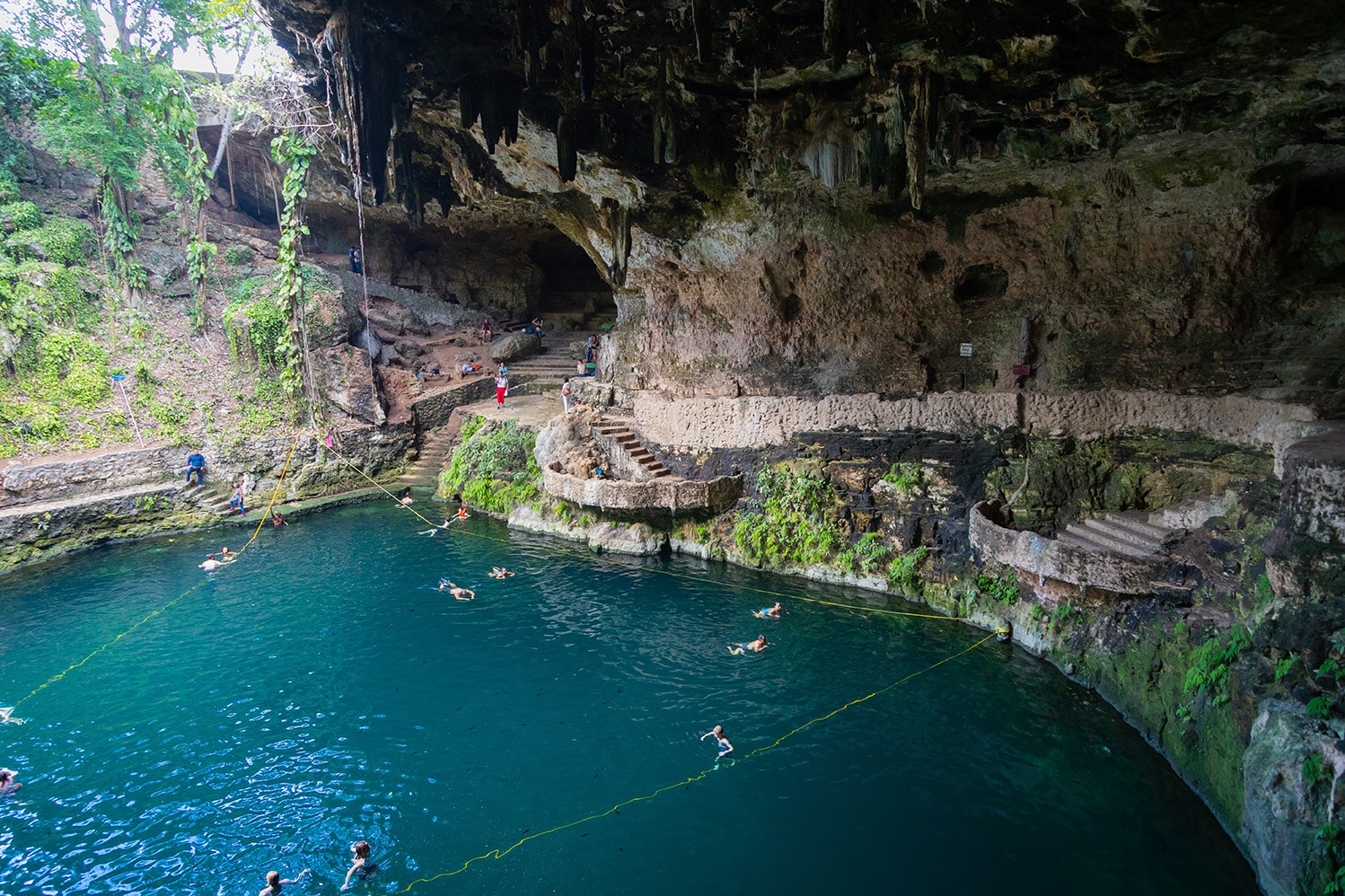
Cenote Zací is a freshwater pool formed in a partially collapsed cavern in Valladolid, less than a kilometer from the town’s central square. It’s 150 feet across, 260 feet deep, and semi-open. “Semi-open” means the cenote is partially within the cavern, yet also partially exposed directly to sunlight and the surface.

The predecessors of the Mayan chiefdom of the Cupules built a settlement surrounding the cenote thousands of years ago, likely in 1,800 BC. In the mid-16th century AD, civil war in the Mayan kingdom, and antagonism from Spanish conquistadors, led to the official creation of Valladolid. Centuries later, it was one of the sites of the Valladolid Rebellion.

Less than a kilometer from Valladolid’s central square, the Cenote Zací is the site of history and legend alike. The most popular tale is that of the immortal, star-crossed love between Maya noblewoman Zac-Nicte and Hul-Kin, a warrior from a rival house. The tragic tale ends with the pair finally finding love together in the afterlife, crossing over through the Cenote Zací together.

It isn’t as popular as some of the other cenotes on this list, which is good for anyone wishing to avoid crowds. It’s also the least expensive, and it’s open from 8:00 AM to 5:00 PM.

Visitors can descend into the cenote via stairs carved into the cavern’s natural stalactites. At times, guests can experience beautiful waterfalls. People visiting often praise the site as “peaceful,” and they mention freshwater turtles often come up from the water to sunbathe on its sunlit rim.

However, know that lifejackets are mandatory for swimming in Cenote Zací, and there is no diving or snorkeling allowed.

Cenote Xkeken

Cenote Xkeken, also called Cenote X’Keken or Cenote Dzitup, is a semi-open cenote in Valladolid. It’s open to visitors for a small fee from 9:00 AM to 6:00 PM, Monday-Saturday.

To reach the pool, visitors descend into a cavern via a narrow staircase, following the path until it opens to a majestic semi-subterranean space.

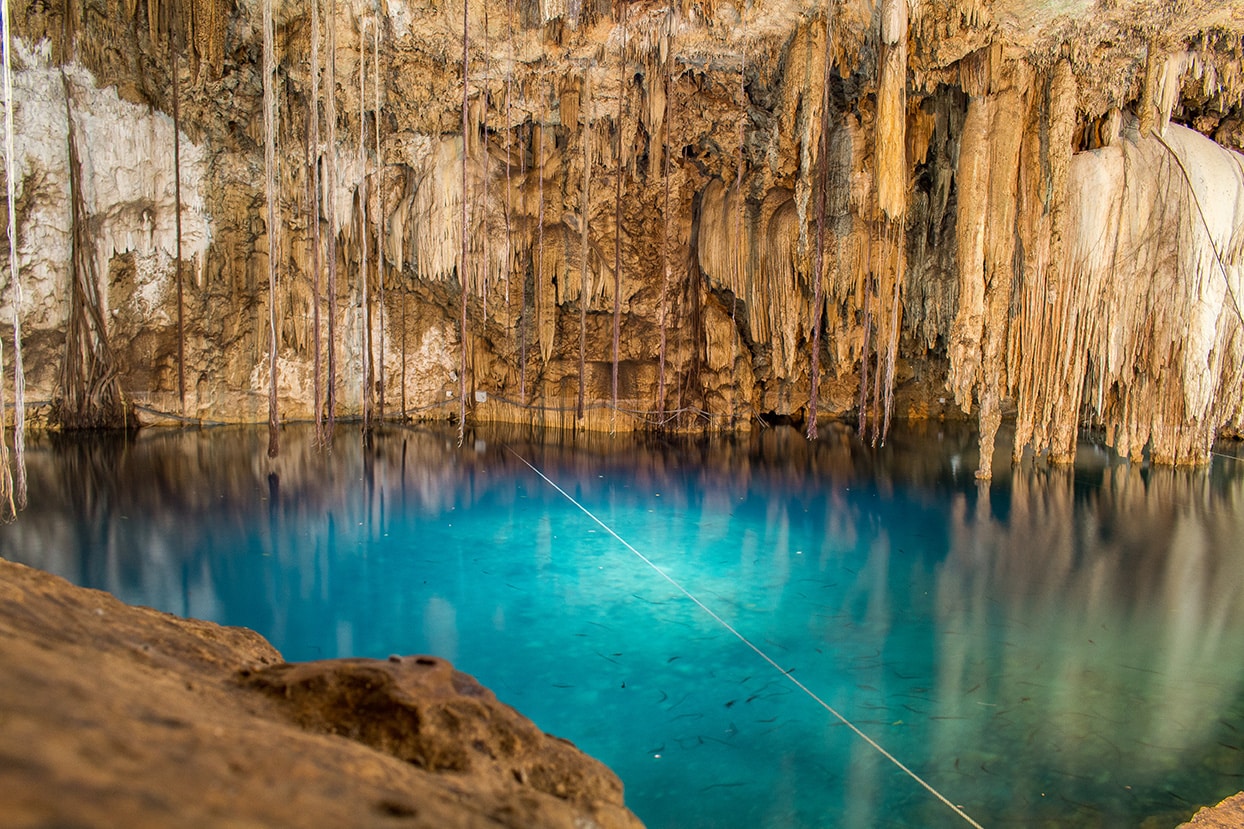
The cavern space is vault-like, the high ceiling and walls covered in dramatic limestone formations. Bats roost in the ceilings, and colonies of hundreds of Mexican Funnel-eared Bats live in the cave system. Shafts of sunlight burst through the ceiling’s natural gaps, creating an ethereal “spotlight” effect.

The freshwater pool itself is a bold turquoise. It’s smaller than some of the other cenotes, only 114 feet across and 65 feet deep. It’s connected to the nearby Cenote Samula by an underground river in the cave system. This lets marine fauna, like the pale catfish, migrate from one cenote to the next.

The water is 25°C (77°F) year-round, making it a relaxing spot to swim, float, or snorkel without getting too cold quickly. Just make sure to use the onsite showers to remove lotions and sprays from your skin before jumping it.

Ik Kil Cenote

Cenote Ik-Kil is outside of Pisté, in the Tinum municipality, on the popular highway to Valladolid.

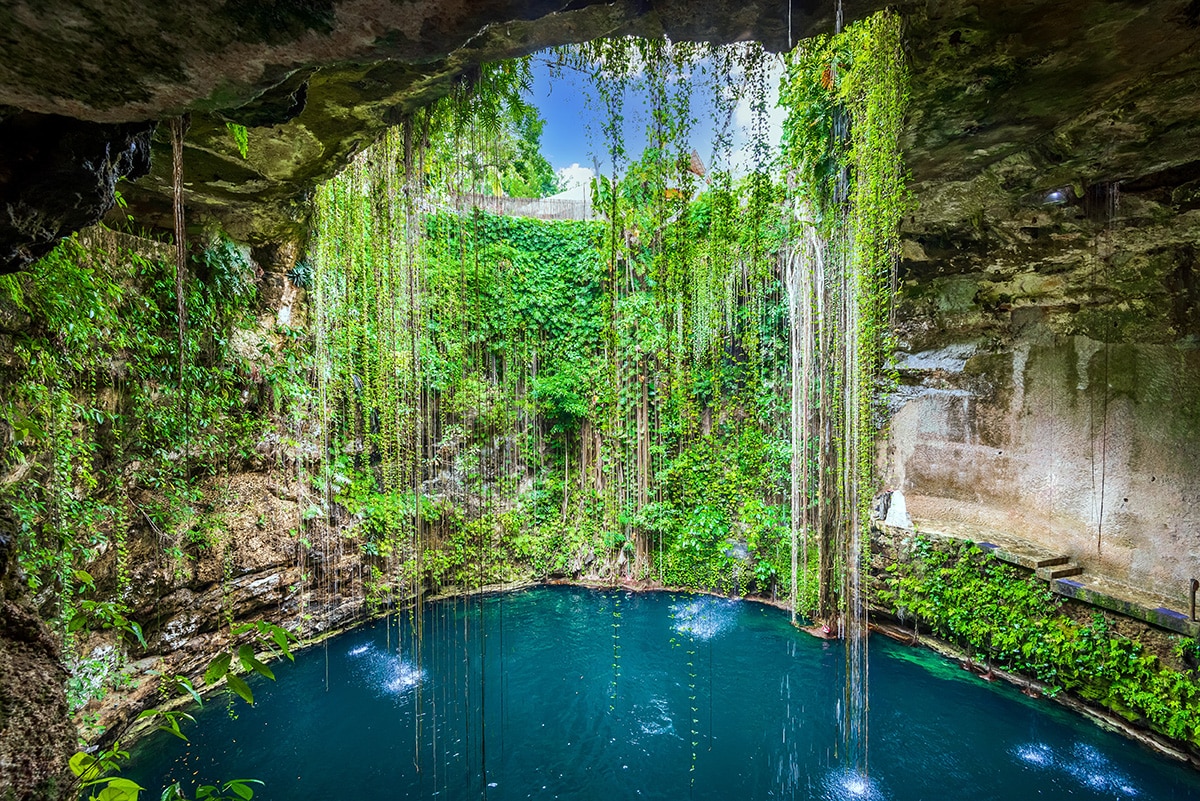
It’s a fully open cenote, with no cavernous “ceiling.” Instead, sunlight reaches the whole pool through a hole, an opening in the limestone 85 feet above the water’s surface. The crater-like hole was created by the same limestone collapse that created the cenote itself, millions of years ago.

The freshwater pool is 157 feet deep and 200 feet across.

Cenote Ik-Kil is available to visitors for a small fee, seven days per week, from 8:00 AM to 5:00 PM. It’s one of the few cenotes developed for visitors, and it features unique onsite amenities (including a restaurant and bar).

Likejackets and snorkeling equipment are available onsite, and it’s a popular spot for casual swimmers and cliff divers alike. It was even a featured location in the 2012 Cliff Diving World Series.

Non-competitive swimming visitors mention their surprise and delight at the friendliness of the schools of fish in Cenote Ik-Kil. They’ve been known to swim right up against people’s legs as they move through the water.

Explore The Cenotes of The Riviera Maya In Mexico With Caravan

At Caravan, every aspect of our tours is hand-picked by our experts to build an extraordinary adventure.

On our Mexico Ancient Civilizations Tours, experience nine days of the best of Mexico – ancient ruins, and luxury you won’t find anywhere else – all at one affordable price.

Call us at 1-800-312-321-9800 to learn more. Or, call 1-800-CARAVAN (227-2826) to book your spot today.

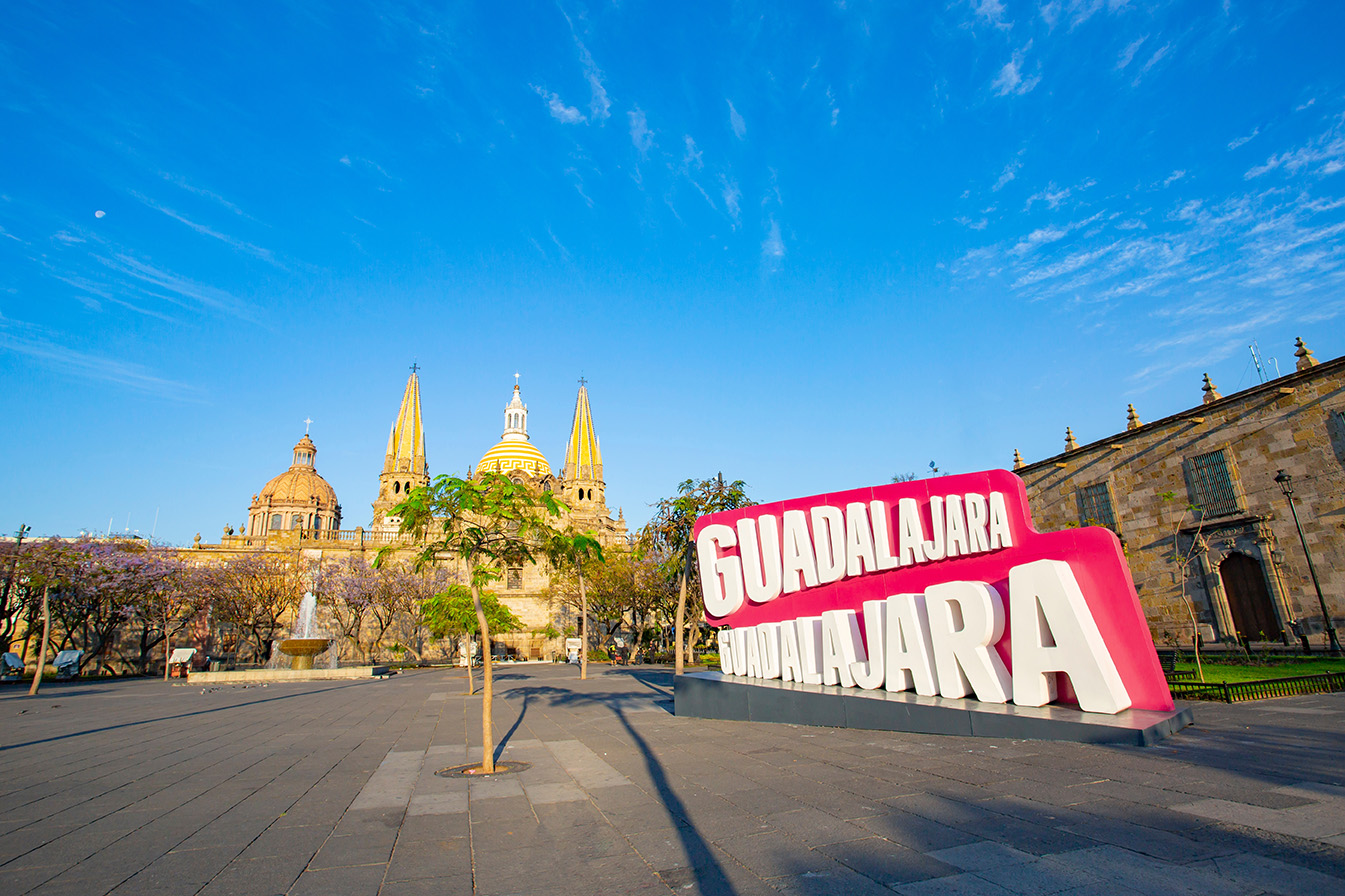
Guadalajara is an exciting city, the bustling capital of the Mexican state of Jalisco. It often finds itself central to global affairs. One year, it might host an international summit of Heads of State; the next, it’s the locale of the Pan-American Games. Then, it’s honored as the “American Capital of Culture.”

The city of Guadalajara is the home of over 1.3 million people. It’s also home to UNESCO World Heritage historic sites (like Hospicio Cabañas—a historic hospital and site of the greatest fresco of lauded muralist José Clemente Orozco), vibrant cultural hubs like Mercado Libertad (or, Mercado San Juan de Dios), and architectural wonders of global renown.

No wonder travelers from all over the world are eager to visit this amazing destination. Yet, people planning international trips often wonder: is Guadalajara actually safe?

In this guide, discover how safe Guadalajara, Mexico actually is for visitors, precautions people can take on a tour, and the best things to try when exploring

Guadalajara for the first time.

How Safe Is Guadalajara?

Guadalajara, Mexico is fairly safe for visitors, particularly those staying in the city’s central neighborhoods. Chapalita, Providencia, Zapopan, and Colonia Americana are all neighborhoods known for their highly-rated public safety. They’re also popular locales for concerts, festivals, cultural centers, restaurants, and cafes.

Violent crime is incredibly rare in these neighborhoods, although visitors are warned to take precautions against pickpockets.

Notably, crime rates in Guadalajara city proper are comparable to the crime rates in U.S. cities with similar population densities. In general, people in Guadalajara are as safe from crime as they are in San Diego, California, or Jacksonville, Florida.

Increased Risk In Outskirts, Rural Neighborhoods

The U.S. State Department advises against traveling to the outskirts and more rural neighborhoods in the Greater Guadalajara Area, due to an increase in gang violence. In particular, both the U.S. and U.K. governments recommend against travel to Cerro del Cuatro and La Estancia in Jalisco.

However, tourists who stick to the popular city centers and take reasonable safety precautions shouldn’t be in danger.

Guadalajara Safety Tips & Travel Strategies

To keep yourself even safer when visiting Guadalajara, Mexico, take a few precautions. Travel with your belongings secured and arranged to deter pickpockets. Only travel on well-lit roads, and stick with your travel group or tour guide.

Those visiting any part of Mexico should take preventative medication to protect themselves from regional conditions. Mitigate the risks of dehydration, heat stroke, and food poisoning by carrying water and dressing appropriately for the weather.

What Is Guadalajara Known For?

Guadalajara is known for its extraordinary cuisine, historic architecture, and its role as the birthplace of both Tequila and Mariachi music. It’s a popular city for concerts, restaurants, and art events.

Local cultural eats like pork-stuffed torta ahogada, birria, and menudo are on plenty of foodie’s bucket lists. Moreover, people from all over the world travel to buy fresh produce and goods in San Juan de Dios, the largest indoor market on the continent.

Among the religiously devoted, the city is also known for Romería of the Virgin of Zapopan every October.

The annual pilgrimage begins at the Catedral Basílica de la Asunción de María Santísima in Guadalajara. From there, people carry the statue of the Virgin of Zapopan, walking until they reach their destination: the Basilica of Our Lady of Zapopan. The journey is five miles long, and it often attracts over two million pilgrims. Once they reach the Basilica, there’s a public festival filled with dance, music, and performers.

Environmentalists recognize Guadalajara for its beautiful urban forestry projects. Most notably, the state park Bosque Los Colomos has won the Green Flag Award for excellence in wildlife conservation. Visitors can ride horses, hike, explore the tailored international gardens, and even enjoy a small zoo.

What Is The Best Time to Visit Guadalajara?

The best time to visit Guadalajara is in September, October, November, and December. Temperatures aren’t overwhelmingly hot, and it’s still the dry season so you aren’t likely to get “rained out.” These are also the months of the city’s most popular festivals:

  • Mariachi Festival
  • Día de la Raza (day of the Romería of the Virgin pilgrimage)
  • Fiestas de Octubre
  • Día de los Muertos (Day of the Dead)
  • Navidad (Christmas) celebrations
  • Ilusionante, a magic festival held each winter

That said, budget-conscious travelers may want to catch Guadalajara when rates are reduced. The city is more affordable during the rainy season, from January through May.

Can’t-Miss Guadalajara Travel Experiences: Things To Do When Visiting Guadalajara, Mexico

Guadalajara is a city with extraordinary experiences to offer everyone. Visit historic Cathedrals, explore the greenery of Bosque Los Colomos, enjoy mariachi music or film festivals, and try some iconic cuisine.

No matter what draws you in, there’s something there to love.

Adventure In Guadalajara, Mexico On Caravan’s Colonial Cities Tour

At Caravan, our experts hand-select every aspect of our tours. Our Colonial Cities Tour of Mexico offers eight days of authentic cultural experiences, historical immersion, and natural wonders—all at one affordable price.

Call us at 1-800-312-321-9800 to learn more. Or, call 1-800-CARAVAN (227-2826) to book your spot today.

The Grand Canyon is the most popular National Park in the United States—and for good reason. It’s beautiful stone ridges are iconic, a snapshot of America often seen on postcards.

Copper Canyon, in Mexico, is another natural wonder. It, too, is an increasingly popular destination for world travelers. In this guide, compare the two canyons side-by-side, and consider where you might want to have your next adventure.

Size & Temperature

Copper Canyon is bigger and hotter than The Grand Canyon by quite a bit. Here’s how their stats breakdown.

Grand Canyon

    • Length. 277 miles (446 km)
    • Width. 600 feet (182 m) to 18 miles (29 km)
      • Width ranges from narrowest to widest point.
    • Depth. 1.13 miles (1.81 km)
      • Depth is measured rim to floor
    • Area. 1,904 square miles
    • Height. 8,000 feet (2,438 m)
  • Temperature Avg.
    • Summer 80°F (25°C), Winter 50°F (10°C) (Rim)
    • Summer 100°F (38°C), Winter 60°F (16°C) (Canyon interior)

Copper Canyon

  • Length. 370 miles (600 km)
    • Length of contiguous ravines.
    • Combined length of all ravines is 520 miles (850 km)
  • Area. 25,000 square miles
  • Depth. 1.16 miles (1.86 km)
  • Height.  8,300 ft (2,540 m)
  • Avg. Temperature.
    • Summer 86⁰F (30°C) Winter 32°F (0°C) (rim)
    • Summer  95 ⁰F (35 ⁰C), Winter 63 ⁰F (17 ⁰C) (canyon interior)

How To Navigate The Canyon (Options)

Ways To Traverse The Grand Canyon

Visitors can explore The Grand Canyon by almost any conceivable mode of transit. Try one of the following options:

  • Grand Canyon Railway
  • Hot air balloon
  • Helicopter
  • Mule
  • Mountain bike
  • Class 1 & class 3 electric bike
  • Horses*
  • Power wheelchair (if medically needed)
  • Shuttle bus

*Horses are allowed on certain trails, but not on as many as mules.

Rafting, motor boating, and exploring in an off-road Jeep are allowed only on guided tours with appropriate permits.

Ways To Traverse Copper Canyon

Visitors can explore Copper Canyon, Mexico using several modes of transit. Popular options include:

  • El Chepe railway
  • Hiking
  • Horseback riding
  • Mule riding
  • Helicopter
  • ATV tours
  • 4-seater Jeep tours
  • RV & motorhome caravans
  • Aerial tramway

Adventuring With Kids

How To Experience The Grand Canyon In a Kid-Friendly Way

Kids are invited to join the Junior Ranger Program at The Grand Canyon. Kids who join get specialized books and onsite activities. Participation earns badges.

The Grand Canyon Conservancy also offers plenty of tours and events that are appropriate for kids, including:

  • Guided Rim Walk (3hr)
  • Desert View Tour (4hr)
  • Sunset Photography Tour (3hr)

How To Enjoy Copper Canyon With Kids and Family

Parents report kids love playing in Valle de Los Monjes. It’s flat and grassy enough that kids can run around without potentially falling off a ledge or into rocks. Other kid-friendly adventures include:

  • Riding the El Chepe
  • Relaxing in the Recowata thermal pools
  • Staying in family-friendly lodges (with playgrounds) in Creel
  • Ziplining through Copper Canyon Adventure Park

Highlights & Unique Features

Best Sites In The Grand Canyon

The most iconic site in The Grand Canyon is Mather Point. This is the point that grants the view of the canyon depicted on most postcards. Other amazing sites include:

  • The Desert View Watchtower, a castle-like, seven story tall turret and National Historic Landmark.
  • The Shaman Gallery, an out-of-the-way esplanade plateau with centuries-old rock paintings.
    • The site is one of the known Polychrome Pictographs painted in The Grand Canyon by Puebloans and Southern Paiute in the 1300s.
  • Phantom Ranch, a semi-hidden lodge at the bottom of the Grand Canyon.

What Are Some Must-See Features of Copper Canyon?

Copper Canyon is filled with rare features and formations. Among the most intriguing, you’ll find:

  • Valley of the Monks, surreal natural ash-flow formations that look like giant, stern monks—or gods.
  • Sierra Tarahumara, the mountain range that symbolically marks the “edge” between civilization and wilderness.
  • Basaseachic Falls (Cascada de Basaseachi) the tallest waterfall in Copper Canyon and the highest year-round waterfall in Mexico.
  • Aguas Termales De Recohuata, a 2 km-long swimming area with natural hot springs and extraordinary views.

Explore Copper Canyon And The Grand Canyon With Caravan

Take a trip without the travel-planning stress. At Caravan, our experts curate guided, all-inclusive tours of fantastic destinations.

If you want to experience the extraordinary beauty of The Grand Canyon, join our eight-day Tour of The Grand Canyon, Bryce, and Zion. If you’re dreaming of an adventure through Mexico’s Copper Canyon, hop aboard El Chepe for a romantic, eight-day Chihuahua-Pacifico Railway Tour of Copper Canyon.

Call our team toll-free at 1-800-227-2826 to book your spot. Or, learn more by calling +1-312-321-9800.

Copper Canyon is one of the most unique places on Earth. It’s a sprawling, interconnected series of six canyons in the Sierra Madre mountains in Chihuahua, Mexico. Its geography is unusual: its peaks maintain a mountainous, seasonal alpine climate, while its valleys stay sub-tropical and warm year-round.

This rare climate lays the groundwork for the extraordinary diversity of wildlife, culture, and history Copper Canyon holds. Here are a few facts worth knowing about one of the most beautiful regions in Mexico.

1. Explosive Volcanoes Forged The Six Canyons of Copper Canyon 40 Million Years Ago

Visitors often wonder, “How was Copper Canyon formed?” The answer is intriguing!

Copper Canyon was formed about 40 million years ago in the Western Sierra Madre mountains, encompassing Sierra Tarahumara. That entire region lay within the Sierra Madre Occidental volcanic field, a chain of volcanoes that were, at the time, highly active and reactive. Tectonic plates were also shifting.

Ultimately, shifting faults led six rivers to flow in a specific direction, eroding the ground and creating the six canyons over time. The process was hastened by volcanic activity: flows of ash and lahars (hot mudflows with sharp volcanic debris) carved Copper Canyon far faster than erosion would alone.

After this rush of activity, Copper Canyon and its rivers remained largely stable for the next several million years.

2. The Name “Copper Canyon” Comes From The Copper-Green Hue of the Canyon Walls

Where did Copper Canyon get its name? The Spanish named the six-canyon region “Barranca del Cobre” or “Copper Canyon” when they first encountered it in the 17th century. They named it for its colors, which are reddish brown and copper-green.

3. Copper Has Never Been Mined There, But Silver Has

Despite its name, Copper Canyon was once best known as a repository of natural silver, not copper. The Spanish began mining Copper Canyon for silver in 1632. In 1861, the region experienced a huge “silver rush,” with many newcomers funded by American investors hoping to strike it rich in the mines.

The silver bonanza lasted until the mines began running low in 1906, then ended permanently with the Mexican Revolution of 1910. Though the silver mines eventually closed, the boom era completely transformed towns like Batopilas.

4. Copper Canyon Is Over A Mile Deep (6,136 Feet)

How deep is Copper Canyon? It’s the deepest canyon in Mexico.

The deepest point in the Copper Canyon system is the bottom of Urique Canyon, 6,136 feet deep below the canyon’s rim. The average depth of the canyon system ranges from 3,300 ft to 4,600 ft down from its plateau.

5. The Copper Canyon System Spans 25,000 Square Miles

Visitors often wonder, “How big is Copper Canyon?” In terms of its ground, Copper Canyon covers 25,000 square miles of land.

Most of the Copper Canyon system’s plateaus rest 7,200 ft. – 7,800 ft. above sea level. Its highest point reaches an elevation of 8,300 ft.

6. Copper Canyon’s Indigenous Rarámuri Are The World’s Fastest Distance Runners

The Rarámuri are the cultural group indigenous to Copper Canyon, and they’re recognized worldwide for their extraordinary skill in long-distance running. In Rarámuri culture, foot racing is a celebrated community event—an event that’s highly competitive.

A disproportionately high percentage of ultramarathon world records are held by Rarámuri runners. Recently, a Rarámuri runner named María Lorena Ramírez Hernández made headlines for dominating a 50km trail run marathon—while wearing a skirt and Huaraches.

7. Waters Plunge 1,485 Ft Over Copper Canyon’s Piedra Volada: Mexico’s Tallest Waterfall

Copper Canyon is the site of several breathtaking waterfalls, including Cascada Basaseachi and Cusarare Falls. The grandest is Piedra Volada. It’s over 1,400 feet tall, and it carries an extraordinary volume of water during the rainy season.

8. Over 1300 Animal Species Live In Copper Canyon, a “Biodiversity Hotspot”

Conservation researchers call the Sierra Tarahumara region of Copper Canyon a “biodiversity hotspot.” Sierra Tarahumara is a roughly 3,000,000-acre expanse targeted for preservation, due to its high density of biodiversity.

Researchers believe 3,271 distinct species of plants, and 1,301 animal species, make their home in Sierra Tarahumara’s 4,700 sq. mile radius. This includes hundreds of endangered species, like the Mexican Gray Wolf.

9. Copper Canyon’s “Monk Statues” Are Natural Formations of Ancient Volcanic Ash Flows

One of the strangest sites in Copper Canyon is the Valley of the Monks. This section of the canyon is filled with tall, strange formations of volcanic rock.

While the formations are wholly natural, they look eerily like giant statues of stoic people—complete with serious, expressive faces. Most who see the formations say they look like mythical gods, or perhaps monks, giving the valley its name.

10. Copper Canyon’s Hot Springs Are Warmed By Magma That “Cooled” 5 Million Years Ago

There are several hot springs (and slightly-cooler “warm springs”) in the Copper Canyon system. The most popular include the Basirecota hot springs, the Owerabo hot springs, El Pandeño, Ojo de Dolores, La Cueva del Diablo, and the Recowata Springs.

Unlike the geyser at Yellowstone, these springs aren’t warmed by subterranean magma flows. Instead, the source of heat is igneous rocks: blocks of lava that have cooled and solidified, yet even in their cooler state retain incredible heat.

11. Copper Canyon Is Home To Four Pueblos Mágicos: Unique Towns With “Magical” Character

At the start of the 21st century, Mexico’s Ministry of Culture launched Programa Pueblos Mágicos, or the “Magical Towns Program,” an initiative highlighting the beauty and cultural richness of unique, oft-overlooked small towns.

Towns are chosen when their community’s culture, traditions, craftsmanship, or festivals have a truly unique, magical spirit. A Pueblo Mágico must have something visitors truly won’t find anywhere else—not even in the next town over.

Currently, four towns of Copper Canyon have earned the Pueblo Mágico designation:

  • Batopilas, for its flourishing blend of  Rarámuri, Tepehuán, and Spanish traditional arts, and its unique cultural events like the Festival of the Sierra Tarahumara.
  • Creel, for its unique natural landscape, thriving Rarámuri culture, and Sacred Art Museum.
  • Casas Grandes (Paquimé), for its preservation of a rare archaeological site of the prehistoric Mogollon culture
  • Guachochi, for its preservation of the traditional Rarámuri art of weaving, historic Jesuit missions, and the first Indigenous Center of Mexico’s National Institute of Indigenous Peoples.

12. Over Half Of The Iconic El Chepe Rail Line Runs Through Copper Canyon

The El Chepe Railway (also called the Ferrocarril Chihuahua al Pacífico) is a spectacular feat of engineering.

The rail was first conceptualized in the early 1860s as a means to connect Mexico’s central northwest to its Pacific Coast. Construction began in 1897, but solving the puzzle of engineering a stable, swift railroad across wildly diverse terrains was a challenge. The rail line was finally completed in 1961: a full century later.

Yet, building El Chepe was 100 years well-spent. Today, the train’s route through Copper Canyon is lauded as one of the most scenic rail experiences in the world.

Experience Copper Canyon, El Fuerte, And More On Caravan’s Copper Canyon Train Tour

Every Caravan Tour is designed to be completely stress-free for our guests. We take the work of travel planning off your place by curating expert-guided, all-inclusive tours of some of the most extraordinary destinations on Earth.

Our experts select and pre-book elegant transportation, overnight accommodations, meals, and activities. Then, we bundle them into an adventure-filled tour at a single, affordable rate.

If you want to experience the beauty of Mexico stress-free, join our Copper Canyon Tour.

Call our agents toll-free at 1-800-227-2826 to book your spot. Or, learn more by calling our information team at +1-312-321-9800.

Mexico is a breathtaking place. From the extraordinary color of native birds and flora, to remnants of ancient civilizations dating back to the 7th century, traveling there offers unexpected joys on every step of your journey. 

What might it be like to experience that journey firsthand? Let Caravan be your guide, and discover the Mexico Riviera tour of a lifetime. 

Ancient Civilizations. Natural Wonders. Mexico’s Riviera Maya 

Experience the majesty of the Coba Ruins—with the whole family! 

The Coba Ruins are elaborate stonework structures, still-standing echoes of one of the oldest civilizations in the Americas. Exploring the ancient roads and pyramids in the heart of the Yucatan jungle makes for a memorable adventure. 

Caravan’s seamless, all-in-one tour makes the adventuring dream a reality for families, friends, and travel groups of all sizes. 

Tour Your Way: Walk, Bike, or Tuk-Tuk

The ruins of Coba can be traversed on foot or by bike. But, the most popular mode of exploration is by tuktuk. 

Most routes from the entrance to the Coba Ruins archaeological zone and the main attractions are 1 – 2 miles long. Walking or biking that distance in the heat isn’t tenable for many travelers—particularly for groups with children, older adults, and anyone using mobility aids.

Fortunately, tuk-tuk travel lets people enjoy the journey without risking exhaustion.

A tuk-tuk, also called an auto rickshaw, bici taxi, or pedaled tricycle, is a small, lightweight,  typically electric two-passenger vehicle. Unlike regular cars, tuk-tuks can drive lightly on trails without damaging them.  

By riding a tuk-tuk, a group can conserve energy, saving it up to explore the site up close.

Unlock Ancient Mayan Secrets With Historian Guides

Modern travelers are separated from Coba’s Mayan creators by millennia, culture, and language. 

Fortunately, guides trained in the history and art of the ruins build bridges from our present to their past. No need to be Indiana Jones to illuminate the mysteries—anyone with an open mind can learn from expert guides. 

Discover Nature’s Untamed Beauty In The Yucatan Jungle

The jungle of the Yucatan peninsula is home to a wondrous swath of flora, birds, and similarly colorful fauna. The journey through the ruins reveals vibrant jungle wildlife. Pay close attention, and you might catch blue bromeliads, jewel-toned aracari toucans, or even a curious Yucatan spider monkey. 

Traversing Mexico’s Riviera Maya? Don’t Miss The Top 5 Wonders of The Coba Ruins 

Explore ancient pyramids, roads, and art in one extraordinary tour

The Coba archaeological site covers over 30 square miles of jungle, interspersed with the ancient civilization’s ruins. While exploring, you’ll want to catch the most brilliant attractions the region has to offer. The best tours empower visitors to check all the boxes off this list.

Walk The Coba Sacbeob (The White Roads)


The sacbeob are causeways, ancient “highways” built to connect the city of Coba to other nearby hubs of Mayan civilization. The longest is a 100 km road from Coba to Yaxuná. The raised highways are forged in brilliant, bright white limestone, withstanding over a millennia of weather. 

See Maya Stelae Sculptures Up Close


Stelea are stone sculptures built as monuments and historical records. There are over 70 still standing in the Coba Ruins, many in palaces. Some incorporate Mayan hieroglyphs, while others symbolically depict rulers and historical figures. Getting up close and personal revelals the intricate detail of these ancient artworks. 

Explore Coba’s Ancient Structures: Macanxoc, Noloch Mul, and Conjuto Pinturas

Coba’s structures are the buildings and bridges of the ancient city’s three hubs: the spiritual center Macanxoc, the Noloch Mul pyramid and palace, and the Conjunto Pintuas’ painted lintels. Within these hubs, ruins of painting rooms, temples, sports arenas, and royal courts offer glimpses into the lost city’s long-hidden ways of life. 

Climb The Ixmoja Pyramid

For many, climbing the Ixjoma Pyramid is the highlight of their Coba experience. At 42 m tall (138 feet), travelers can find the climb up its 120 steps a challenge. Yet, rising to meet the challenge is immediately rewarding. The view from the top is an extraordinary vista, laying out miles of jungle canopy before you.  

Before You Go Home, Take a Dip In Nearby Cenotes

Cenotes are azure, underground springs. These watery hideaways are formed when limestone bedrock collapses into groundwater, forming semi-concealed, ethereal pools.

Cenotes are a lovely, refreshing natural feature of the Yucatan Peninsula. While there aren’t any within the Coba Ruins’ archaeological site itself, there are three within 6-7 km:

  • Cenote Tankach-Ha
  • Cenote Multum-ha
  • Cenote Choo-ha

 Each one is less than a 15-minute drive away. And, rare even among cenotes, these natural pools are near-completely enclosed within the caves. 

Enjoy An Adventure In The Coba Ruins, With Caravan

Caravan has offered affordable, all-inclusive travel services since 1952. For over 70 years, we’ve earned and honored the trust of travelers like you with safe, well-planned, expert-guided adventures. 

If you’re looking to travel while skipping planning stress, look no further. When it comes to exploring the world, we’ve got you covered: our experts curate and book accommodations, food, transport, and attractions, so you can have the stress-free vacation of a lifetime.

Caravan is proud to keep our all-in-one tour packages at rates families can afford—without cutting corners. Want to learn more? Call one of our agents at 1 (312) 321-9800, or call 1-800-CARAVAN, and discover what’s possible.

Have you heard of the mysteries of the Teotihuacan pyramids and people? Want to experience it all for yourself? Join us on an extraordinary journey through time to explore the fascinating history of Teotihuacan, a once-great city that thrived in the ancient world.

While much of its history is lost to time, and little is known of its people or story, the remnants of this city remain a point of intrigue to this day. Its imposing pyramids, palaces, and temples tower over long-vacant streets, whispering of long-forgotten stories of a mysterious people.

Whether you’re an avid historian or simply enjoy casually exploring the secrets of years past, the Teotihuacan pyramids are a must-visit. Our 9-day Mexico’s Ancient Civilizations tour takes you to the wonders of this once-great city (plus a few extra stops along the way), giving you plenty of time to explore these enthralling remnants.

Teotihuacan: An Intriguing History

Millennia ago, a towering city stood about 30 miles out of modern-day Mexico City. The city, called Teotihuacan, sprawled across eight square miles, making it one of the largest urban centers of the ancient world.

Teotihuacan, a city shrouded in the mists of time, holds a history that is as captivating as it is enigmatic. Its secrets, lost to the ages, have left historians yearning to delve deeper into its mysteries. Today, we know only fragments of its past, but these fragments paint a vivid picture of a life lived so many years ago, sparking a sense of wonder and curiosity in all who hear its tale.

They estimate the city was built around 2,100 years ago, thriving with over 100,000 people in its midst. Like many great cities, it burned bright for a while before fizzling out, finding its doom around 1,400 years ago.

Yet, while many cities of ancient times became “lost” to the outside world, the knowledge of Teotihuacan’s presence persisted. In the years that followed, various peoples visited the land. While its original splendor had long since faded, people continued to visit. For example, the Aztecs made regular pilgrimages to the site, eventually giving it the name it still has to this day: Teotihuacan, which means “the place where the gods were created.”

Modern-Day Teotihuacan

Today, many of Teotihuacan’s impressive structures still tower over long-vacant streets. A few parts of the city were lost in a fire during the city’s decline, but many remain standing.

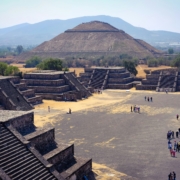
On the main avenue, called the Avenue of the Dead, a handful of pyramid complexes still remain. Multiple well-known pyramids sit along this two-mile stretch. For example, the Pyramid of the Moon, a 150-foot-tall structure, sits at the northern end of the street. The structure has multiple elevated platforms thought to have been used for rituals, plus several tombs within that contain human and animal remains, likely from sacrifices.

Roughly half a mile down the avenue sits the Pyramid of the Sun, a 200-foot pyramid completed around 200 AD. To this day, it’s one of the largest remaining structures constructed in the pre-Columbian New World. The Temple of the Feathered Serpent, or “La Ciudadela,” sits south of the Pyramid of the Sun. It features multiple heads of Quetzalcoatl, a feathered serpent god, and Tlaloc, an ancient storm God.

While these pyramids are undoubtedly the stars of the show, they’re not the only structures that remain. Various apartment compounds, palaces, and temples flank the pyramids, lining the Avenue of the Dead.

Many color-filled murals brighten the walls throughout the city, complemented by the pictographic figures that were likely the people’s writing system (although this is a debated topic among historians and professors).

Caravan’s Ancient Civilizations Tour: What to Expect

Our Mexico’s Ancient Civilizations tour is a cultural experience. It takes you to some of the most incredible sights in the area and allows you to immerse yourself in the intriguing stories of years gone by. It’s the perfect experience for history buffs, especially if you enjoy an immersive, hands-on excursion.

If you plan to explore Mexico’s ancient civilizations with us, here’s what you can expect from your itinerary:

Day One: Mexico City

Your journey starts in Mexico City. Once you touch down at the Mexico City International Airport, you’ll grab transportation to your hotel, located in downtown Mexico City. Hotel check-in starts at 4:00 p.m., so if you arrive earlier, you’ll have plenty of time to explore the city on your own.

After checking into the hotel, join us at 8:00 p.m. for a welcome briefing. Here, you’ll meet your travel companions for the next nine days and learn about the details of the trip.

Day Two: Teotihuacan and the Museum of Anthropology

If Teotihuacan is what you’re here for, you won’t have to wait long! Day two brings you to the grandeur of Teotihuacan, giving you plenty of time to explore its wonders. We’ll visit Teotihuacan in the morning, spending time strolling through its streets and exploring the towering pyramids and palaces.

It gets pretty toasty in the afternoons, and since there’s not much shade to be had in the city’s ruins, we head out around lunchtime. In the afternoon, we’ll visit Mexico City’s world-famous National Museum of Anthropology.

The museum is home to an assortment of priceless archaeological treasures, like the massive Aztec Calendar Stone. We’ll spend an afternoon browsing through the museum, soaking in the fascinating facts of years past.

Day Three: Puebla and Veracruz

On day three, we make our way to Puebla, a colonial city famous for its many churches. While there, we’ll visit the nearly 400-year-old Basilica Cathedral of Puebla, a UNESCO World Heritage Site. We’ll meander through the Zocalo Park and Plaza, located in Puebla’s historic center.

After lunch, we’ll embark on a scenic drive through the coffee-growing region of Xalapa to the port city of Veracruz. This romantic city is a melting pot of culture, featuring influences of people from the Caribbean, Europe, and Africa. The streets are lively with activities, including lots of upbeat music from mariachi bands, guitarists, and marimba bands.

Day Four: La Venta and Palenque

Day four brings you on a morning drive along Veracruz’s picturesque waterfront before continuing on through mango orchards and pineapple fields. The drive takes you through Mexico’s coastal wetlands, giving you an incredible view of the lush vegetation throughout.

We’ll stop at La Venta Park for pictures and visit the mysterious Olmec heads, which are giant stone carvings standing up to 12 feet tall. They date back thousands of years, preceding ancient Nahua, Maya, and Aztec civilizations by millennium.

In the late afternoon, we’ll continue to Palenque to kick off day five.

Day Five: Palenque

On day five, we’ll explore Palenque. This area is home to ancient Mayan ruins, set in a dense jungle and surrounded by lush vegetation. While weathered by time, several structures in the ruins still remain standing. We’ll wander through the Main Plaza, stopping to see the Temple of the Inscriptions and the Governor’s Palace.

After exploring the ruins, you’ll have the rest of the afternoon to yourself. Explore the sights and activities of the surrounding area, or spend the afternoon soaking up the sun at the hotel pool—it’s up to you! After a morning full of activity, we love a nice, relaxing afternoon nap by the pool.

Day Six: Campeche and Merida

We’ll head north through Campeche on day six, stopping for lunch along the Gulf of Mexico before continuing on to Merida. This is Yucatan’s capital and cultural center, home to stunning colonial architecture, lively markets, and a flourishing cultural scene.

While you’re here, enjoy all the city has to offer, such as the Plaza Grande, a beautiful spot surrounded by historic buildings, including the Merida Cathedral and the Casa de Montejo.

Day Seven: Uxmal and Merida

The morning of day seven is filled with a drive to the stunning mansions of Montejo Boulevard, complete with sights of the Plaza de la Independencia and the imposing Merida Cathedral. The cathedral stands over a sacred Maya site, constructed with reclaimed temple stone.

Later in the morning, we’ll continue to the Mayan Ruins of Uxmal, renowned for its intricate Puuc-style architecture, complete with elaborate stone carvings and decorative facades. Wander through the intriguing streets, viewing structures that were once a hub of activity, like the Pyramid of the Magician, the Nunnery Quadrangle, and the Governor’s Palace.

The afternoon is free for your choice of activities, whether you want to kick back and relax or keep the momentum going with more exploration.

Day Eight: Chichén Itzá and Cancun

On day eight, we’ll travel east across the Yucatan peninsula to visit Chichén Itzá, one of the New 7 Wonders of the World. Its name means “At the brim of the well where the Wise Men of the Water Live” in Maya. Chichén Itzá is one of the most visited archaeological sites in Mexico today, drawing countless visitors every year.

Throughout the morning, we’ll walk around, viewing the Castle Pyramid before visiting the Ballcourt and the Group of a Thousand Columns. After lunch, we’ll continue to Cancun, enjoying a farewell dinner to close out the trip.

Day Nine: Cancun

Day nine closes the tour, bringing our ancient civilizations excursion to an end. The hotel is located near the airport, ensuring you don’t have to travel far to make your flight. Transfers to the airport are available via the hotel’s courtesy shuttle.

Explore Teotihuacan’s Wonders With Caravan

If a Teotihuacan tour is on your bucket list, our Ancient Civilizations tour is a great way to check that box off. We’ll visit the wonders of ancient Mexico together, hitting the best spots along the way. You’ll have plenty of time to enjoy the wonders of Teotihuacan, Puebla, the Mayan ruins of Palenque, and much more.

Plus, since we plan the trip for you, including transportation, lodging, and even many meals, you won’t have to sweat the details. Simply book your flights, arrive at the hotel for the welcome briefing, and we’ll take it from there! Of course, you’ll still have plenty of time to do your own thing (make the most of those leisurely afternoons), but the nitty-gritty details are planned for you.

So, if you’re ready to embark on an adventure to Teotihuacan with Caravan, we are too! Book a trip today by calling 1-800-CARAVAN or 1-312-321-9800!