Is Cartagena, Colombia Safe? A Traveler’s Safety Guide
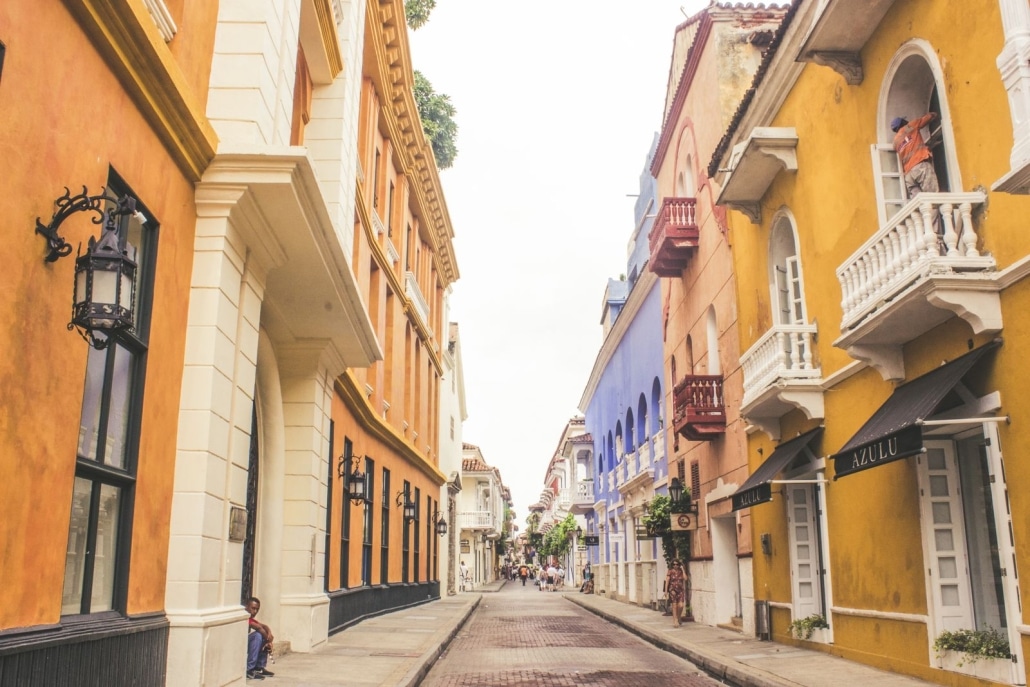
Cartagena is one of the most photographed cities in South America. Its colonial Walled City sits right on the Caribbean coast, with bright balconies, leafy plazas and old stone walls that once kept pirates out. It is also a city many first-time visitors wonder about before they book. Is Cartagena safe?
For most travelers, the answer comes down to where you go and the habits you bring. This guide covers how safe Cartagena is for tourists, the most popular areas to stay and explore, the scams to watch for, what changes after dark, and the health and weather precautions that matter most on the coast.
How Safe Is Cartagena for Tourists?
Tourism is a big part of daily life in Cartagena, especially in the historic center. The areas visitors spend most of their time in are busy and full of people from morning until late evening.
Still, safety is never a simple yes-or-no answer. For most visitors, the realistic risks are the everyday kind: pickpocketing in crowds, phone snatching, taxi overcharging and pushy street sales. Risk goes up away from the main tourist areas, on empty streets and late at night.
Check the U.S. State Department Advisory
Before any trip to Colombia, read the U.S. State Department's current travel advisory for the country at travel.state.gov. It gives Colombia an overall advisory level, adds region-by-region warnings and is updated as conditions change. Read the full text, not just the headline level. It explains which areas carry extra warnings and lists practical cautions for visitors.
You can also enroll in the State Department's free Smart Traveler Enrollment Program (STEP) to receive safety alerts while you travel.
Safest Neighborhoods in Cartagena
Most visitors spend their time in three neighboring areas near the water. Each has its own feel, and all three are popular with travelers.
The Walled City (Centro Histórico)
The Walled City is the heart of Cartagena and a UNESCO World Heritage Site. Narrow streets lined with colonial homes lead to plazas and churches, all wrapped in a six-mile-long stone wall that once protected the city from pirates. Landmarks include the Clock Tower, the Peace Plaza, the Royal Custom House, the Church of San Pedro Claver and Simón Bolívar Park.
As the city's main tourist area, it is busy day and night. That crowd is part of its appeal, but crowds also attract pickpockets and persistent vendors, so keep your bag in front of you in busy plazas.
Getsemaní
Just outside the walls, Getsemaní is a colorful neighborhood bursting with color and brimming with street life. It is known for its murals, small restaurants and lively plazas that fill with locals and visitors in the evening.
Getsemaní is popular during the day and in the busy evening hours. After dark, stay on the main, well-lit streets and skip quiet side streets.
Bocagrande
Bocagrande is Cartagena's modern side: a narrow strip of land lined with high-rise hotels, apartment buildings, restaurants and a long Caribbean beach. It feels more like a resort district than a historic neighborhood, and many visitors like its beach access and wide streets.
The main things to watch for here are insistent beach vendors and keeping an eye on your valuables on the sand.
Common Scams and Petty Crime to Watch For
Most problems in Cartagena are about money, not danger. Knowing the common tricks makes them easy to avoid.
- Taxi overcharging. Fares are often set by zone rather than by meter, so agree on the price before you get in. Ask your hotel what a fair fare looks like, or have them call a taxi for you.
- "Free" gifts. A vendor may slip a bracelet on your wrist, hand you a hat or start a beach massage, then ask for money. A polite, firm "no, gracias" and walking on is usually enough.
- Pushy beach sales. On popular beaches you may be approached again and again for drinks, snacks and boat trips. Settle prices before you accept anything.
- Pickpocketing and phone snatching. Crowded plazas, markets and street shows are prime spots. Don't leave your phone on a café table near the street.
- ATM and card trouble. Use ATMs inside banks or shopping centers during the day, and cover your PIN.
- Short change. Count your change and carry small bills for street purchases.
- Street touts selling tours. Book excursions through your hotel or a reputable operator, not someone who approaches you on the street.
On a Caravan tour, shopping stays in your hands. Caravan will not bring you to overpriced shops in exchange for payments, and you get free time in the Walled City to shop for jewelry, leather goods, fashion accessories and fine handcrafts wherever you choose.
Is Cartagena Safe at Night?
Cartagena comes alive after sunset. The air cools a little, plazas fill with music and diners, and the old streets glow under the lamps. The busy parts of the Walled City and Getsemaní stay lively well into the evening, and that crowd helps keep them comfortable.
Risk rises when streets empty out, when people have been drinking and when visitors wander into unfamiliar areas. A few habits go a long way:
- Stay on main streets and in busy plazas. Avoid empty side streets and beaches late at night.
- Use a taxi called by your hotel or restaurant instead of hailing one on the street.
- Watch your drink, and never accept drinks, snacks or cigarettes from strangers. Travel warnings for Colombia have cautioned visitors about criminals who drug people to rob them.
- If you meet someone through a dating app, meet only in public places.
- Carry only the cash you need for the evening, and go out with a companion or your group.
Health and Weather Precautions
For many visitors, Cartagena's biggest everyday challenge isn't crime. It's the heat.
Heat and Sun
Cartagena is hot and humid year-round, and the midday sun is strong on the stone streets. Wear light, breathable clothing, a hat and sunscreen, and plan your walking for mornings and late afternoons. Drink water often. On Caravan tours, bottled water is provided on motorcoaches in Latin America.
Rain, Mosquitoes and Food
Rain often arrives in short, heavy downpours that can briefly flood streets, so pack a compact umbrella and shoes that grip on wet stone. Mosquitoes are common on the coast and can carry illnesses such as dengue. Bring insect repellent, and talk with your doctor or a travel clinic about vaccines and other precautions before you go.
Many travelers stick to bottled water and choose busy restaurants where food is cooked fresh. Colombian food is part of the fun, so read up on bandeja paisa, Colombia's classic hearty breakfast, before your trip.
Elevation Elsewhere in Colombia
Cartagena is on the coast, but many Colombia trips also include mountain cities. Caravan's tour begins with three nights in Bogotá at an overnight elevation of 8,660 feet, followed by three nights in Medellín at 4,905 feet. If you have breathing or heart issues, consult your healthcare professional before you travel.
Practical Safety Tips
- Read the State Department advisory and enroll in STEP before you leave.
- Keep your passport in the hotel safe and carry a copy.
- Wear a small cross-body bag in front, and split your cash and cards.
- Leave flashy jewelry and expensive watches at home.
- Arrange airport transfers ahead of time. Caravan provides transfers to Rafael Nunez International Airport (CTG) at the end of the tour.
- Learn a few Spanish phrases. A friendly "gracias" helps everywhere.
- Agree on prices before any taxi ride, massage or boat trip.
- Trust your instincts. If a street feels wrong, turn around.
These are the same habits that help in any busy destination. For a comparison, see our Guadalajara, Mexico safety guide, and check our Colombia travel tips for packing and clothing advice.
FAQs
Is Cartagena safe for tourists?
Most visitors enjoy Cartagena without problems by staying in the main tourist areas and taking everyday precautions. Petty crime and scams are the most common issues. Check the U.S. State Department's current advisory for Colombia before you go.
What are the safest areas in Cartagena?
The Walled City (Centro Histórico), Getsemaní and Bocagrande are the areas most popular with travelers. They are busy and close together, which makes them easy to explore.
Is it safe to walk around Cartagena at night?
The busy streets and plazas of the Walled City and Getsemaní stay lively in the evening. Stick to well-lit, crowded areas, avoid empty streets and beaches late at night, and use taxis called by your hotel or restaurant.
What scams are common in Cartagena?
Watch for taxi overcharging, "free" bracelets or massages followed by a demand for payment, pushy beach sales and pickpocketing in crowds. Agreeing on prices first prevents most problems.
Is a guided tour a good way to see Cartagena?
A guided tour takes much of the guesswork out of a visit. On Caravan's tour, professional tour directors fluent in English lead the trip from start to finish, and airport transfers are arranged for you at the end.
See Cartagena With Caravan
If you'd rather focus on the sights than the logistics, Caravan's Colombia with Cartagena tour is a fully guided 10-day trip from USD $1695. After Bogotá and Medellín, you fly to Cartagena, with the flight included, for a relaxing three-night stay on the Caribbean coast.
You'll take in sweeping views from La Candelaria Monastery, stop for photos at the 17th-century Castillo de San Felipe and enjoy a walking tour of the Walled City. You'll also visit the Colombia National Aviary on Baru Island and the colorful Getsemaní neighborhood, with free time to shop and relax.
Travelers have chosen Caravan Tours since 1952. To check dates or ask questions, call 1-800-CARAVAN or 312-321-9800.
