Why Was Machu Picchu Built?
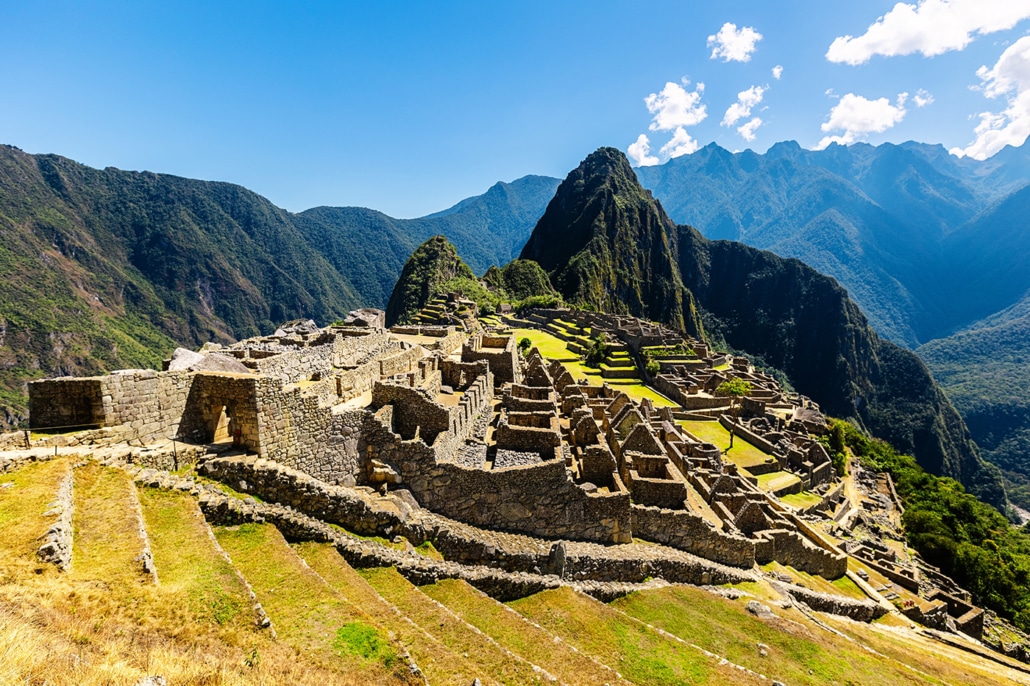
Machu Picchu is a striking sight.
Yet, while its transcendent beauty is inarguable, it wasn’t made for show. To discover the true reasons ancient peoples built Machu Picchu, scholars have had to use cutting-edge tools.
What have they revealed of the ancient past?
What Is Machu Picchu?
Machu Picchu is an extraordinary ancient Inca city. And that’s not just one traveler’s opinion! UNESCO declared it a world heritage site in 1983.
The designation grants Machu Picchu protection, due to its extraordinary historical and cultural value. Here’s how UNESCO conservationists describe the site and its impact on human history:
“The approximately 200 structures making up this outstanding religious, ceremonial, astronomical and agricultural centre are set on a steep ridge, crisscrossed by stone terraces…
…To this day, many of Machu Picchu’s mysteries remain unresolved, including the exact role it may have played in the Incas’ sophisticated understanding of astronomy and domestication of wild plant species.
The massive yet refined architecture of Machu Picchu blends exceptionally well with the stunning natural environment, with which it is intricately linked. Numerous subsidiary centres, an extensive road and trail system, irrigation canals and agricultural terraces bear witness to longstanding, often on-going human use.”
Machu Picchu’s integration with the natural world, and its place as a hub of cultural evolution, had wide-ranging effects. These impacts are still felt today, long after the Inca Kingdom itself has faded away.
Who Built Machu Picchu?
Historical records indicate Pachacuti Inca Yupanqui (also known as Pachacútec) ordered the construction of Machu Picchu in the 15th century. Pachacútec was the 9th Sapa Inca: the emperor of the Inca Kingdom.
How Old Is Machu Picchu?
Machu Picchu was likely built before 1420, making it over 600 years old.
Previous estimates of Machu Picchu’s age relied on the writing of Spanish conquistadors at the time. But, in 2021, archeologists tackled the age question with a modern tool: accelerator mass spectrometry (AMS).
By applying AMS to skeletons found in the Machu Picchu palace, archeologists discovered they’d died in 1420. That’s 30 years before the palace was previously presumed built!
Why Was Machu Picchu Built?
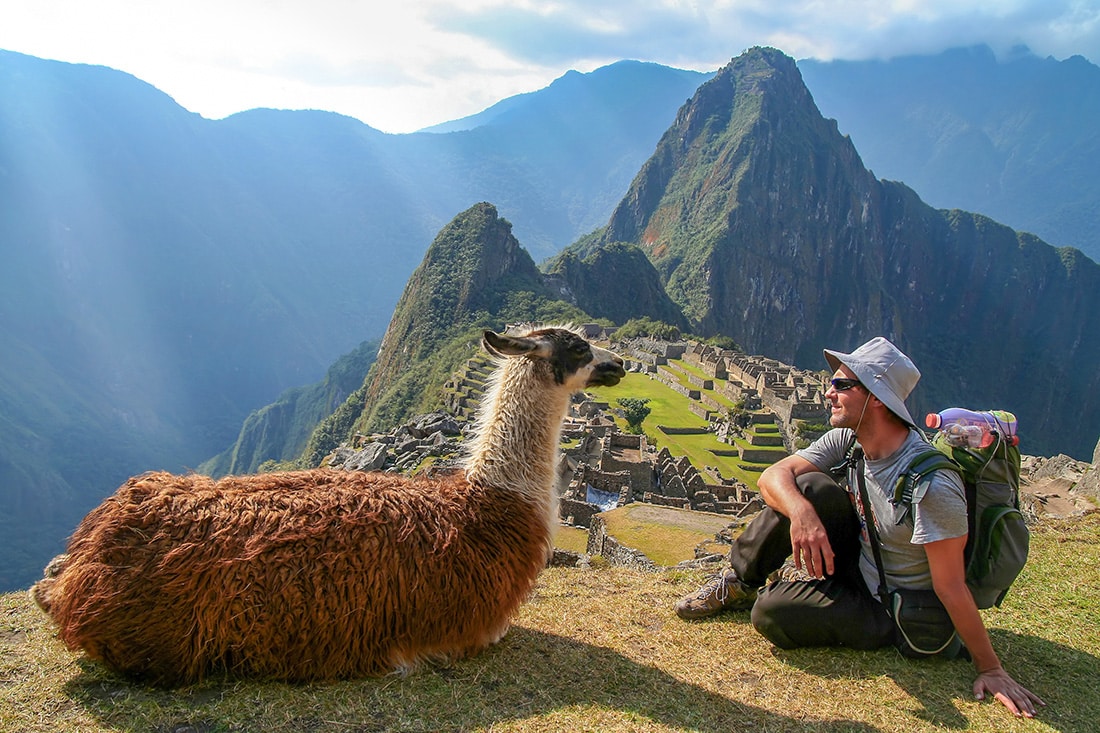
While there are no exact records, most scholars believe Pachacuti launched the creation of Machu Picchu as an estate.
It’s clear the Sapa Inca lived in Machu Picchu at times, as did many other Inca royals and their families. Yet, it’s also clear that it was far more than a fancy house.
Spiritual Ritual Purposes
The Inca used Machu Picchu’s temples for spiritual rituals and religious ceremonies.
Artifacts, altars, and symbolic carvings indicate the Temple of the Condor was used for funerary rites, including embalming and animal sacrifices.
The Windy Temple, Wayrana, hosted rituals in worship of Viracocha, while The Sun Temple was solely for Inca Royals’ worship of Inti (the sun god).
Elsewhere in Machu Picchu, the Temple of Three Windows gave space for ceremonies harmonizing the “three realms”—the heavens, the land of the living, and the underword—often on solstice and equinox days.
Astronomy
Machu Picchu was a place where Incas could study astronomy. Architects incorporated features to better observe celestial bodies.
Water Mirrors
Machu Picchu’s water mirrors are symmatrical, cylindrical basins. They were designed to hold perfectly still water and reflect the night sky. Their position let priests easily view the passage of constellations with a glance.
Unusually, the Inca primarily tracked the movement of yana phuyu (“dark constellations”). These are darkened patches of sky in the Milky Way.
Today, scientists recognize these as obscuring clouds: swirling interstellar gas and nebulae, forming silhouettes against the galaxy’s bands of stars.
Sun Temple
The Temple of the Sun is another structure aligned with multiple astronomical events in Machu Picchu. Most alignment is solar. The Inca used it for study and worship alike.
Intihuatana Stone
The Intihuatana Stone is within the temple, though unhoused. It’s akin to a complex sundial. But, unlike a sundial, it measures several, distinct celestial events, in addition to simple time of day.
Over the course of a year, the stone’s cast shadow changes length and direction. The Incas used it to guide agriculture, and to predict and track the movement of other astronomical bodies.
Water & Agriculture
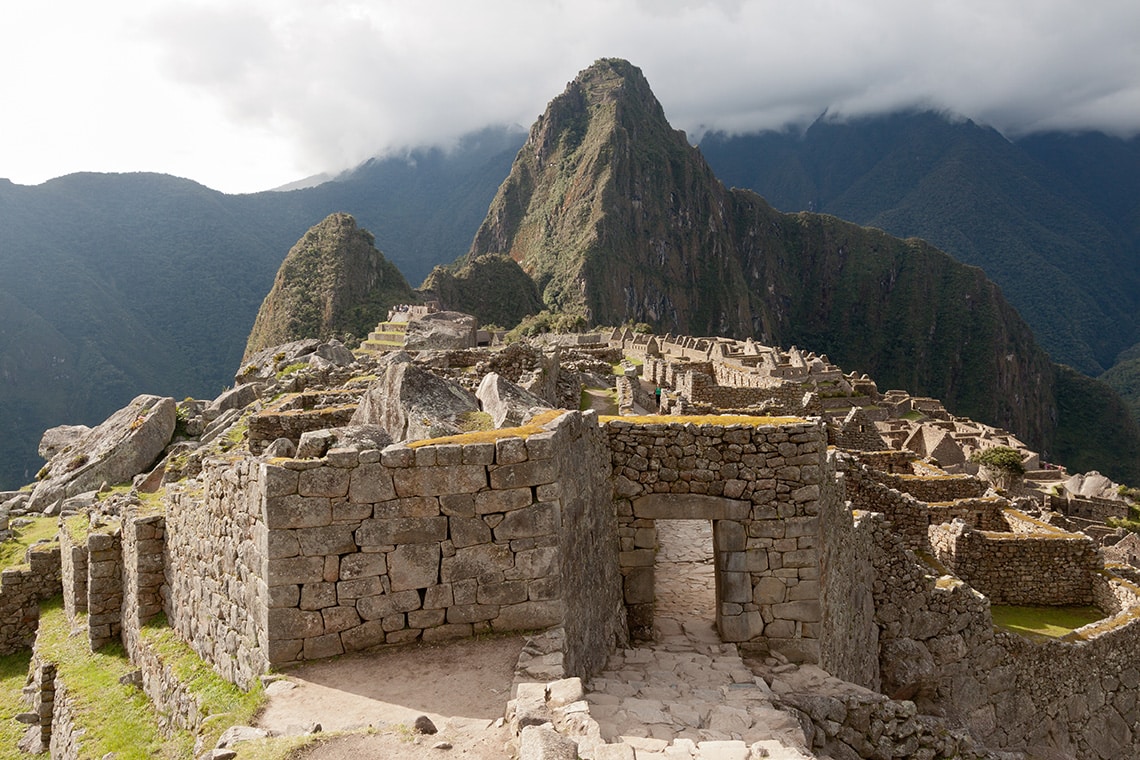
Machu Picchu’s irrigation structures may have been intended to control water.
The Inca also used the terraces of Machu Picchu as microclimates for crop cultivation. It’s where Incas invented a freeze-drying process to turn potatoes into chuño.
How Was Machu Picchu Built?
The Incas built Machu Picchu using the Ashlar technique. It’s a method of dry stone masonry.
Ashlar requires fitting stones together with incredible precision, taking advantage of the mountain’s natural geology and physical forces to hold them in place. Adventurer and Machu Picchu guide Mark Adams explains it well:
“These stones were cut so precisely, and wedged so closely together, that a credit card cannot be inserted between them…When an earthquake occurs, the stones in an Inca building are said to “dance;” that is, they bounce through the tremors and then fall back into place.”
The ashlar method has kept Machu Picchu standing for centuries—even withstanding historic earthquakes that leveled nearby Cusco.
Building Machu Picchu also involved constructing a massive, subterranean foundation and drainage system.
Quoting engineer and historian Kenneth Wright, Adams notes, “60 percent of the construction done at Machu Picchu was underground.” The ancient city’s foundations run deep.
Discover Machu Picchu With Caravan
Join us on the adventure of a lifetime.
Caravan’s Tour of Peru With Machu Picchu is all-inclusive. Every guided hike, delicious meal, and comfortable overnight stay is hand-picked by masterful travel directors—then booked and bundled into a single, affordable price.
Skip the travel-planning stress. Instead, take an unforgettable trip to Peru, curated by the best.
To book your spot, call 1-800-227-2826. To learn more our offers, call +1-312-321-9800.